
Efficient supply chain operations
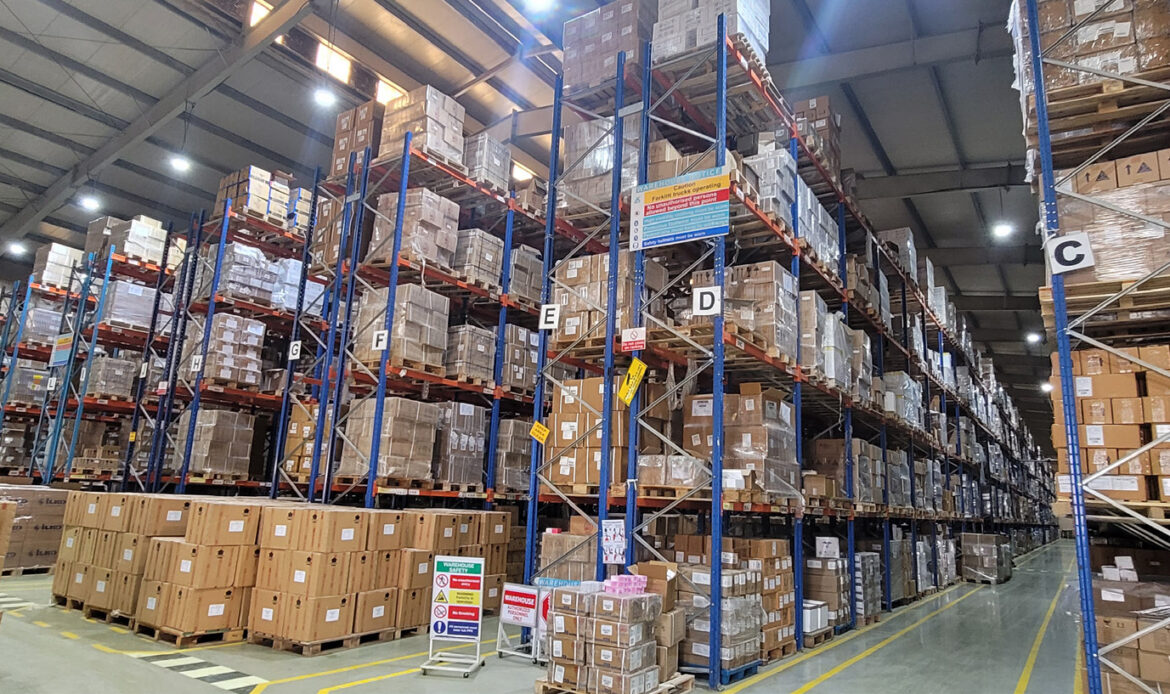
Through streamlined procurement, optimized transport routes, and real-time logistics data, we help countries increase efficiency of their supply chain operations, realizing savings for both countries and households and reducing stockouts of essential supplies.

Improved patient safety
We help countries strengthen their regulation of pharmaceutical products, reduce falsified and counterfeit products in the marketplace, improve prescribing behavior, and monitor any adverse drug effects to ensure patient safety.

New health product innovations
We support microplanning, logistics, community sensitization, and health worker preparedness to enable countries to introduce new health products, from advances in HIV, tuberculosis, and malaria treatment to vaccines for COVID-19 and human papilloma virus (HPV).

Health emergency and humanitarian response
Amidst disease outbreaks, natural disasters, and conflict, we help countries mobilize resources, partners, and supplies to prepare for and rapidly respond to emergency needs while limiting disruption to maternal, child, and other essential health services during crises.

Private sector engagement
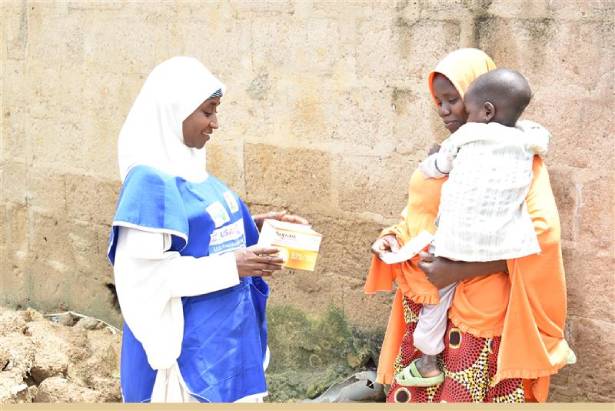
We support governments to engage private sector logistics providers, private pharmacies and clinics, and faith-based health networks to increase communities’ access to safe, quality-assured, effective, and affordable medicines. These private sector and faith-based partners play a key role in delivering lifesaving health products to the last mile, especially in remote and fragile settings.


Access increased for maternal and child health products
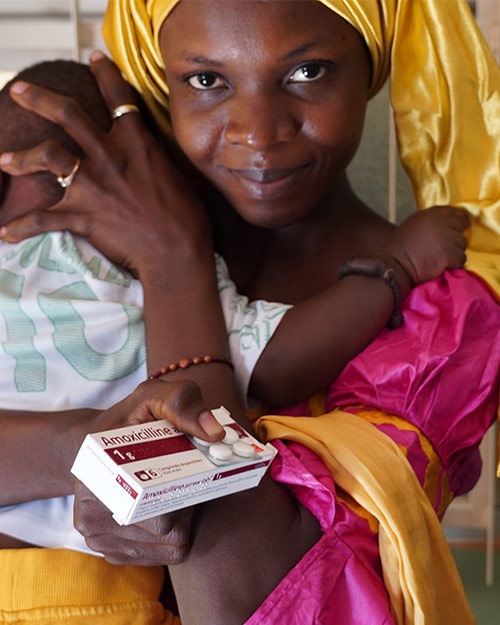
In the Democratic Republic of Congo, MSH supported registration of 56 quality-assured maternal, newborn, and child health products and strengthened provider access to treatment guidance.

Emergency supply chains mobilize to contain disease outbreaks
MSH has supported COVID-19 vaccine introduction in 17 countries and helped strengthen supply systems during Ebola, Mpox, and other outbreaks or public health emergencies.

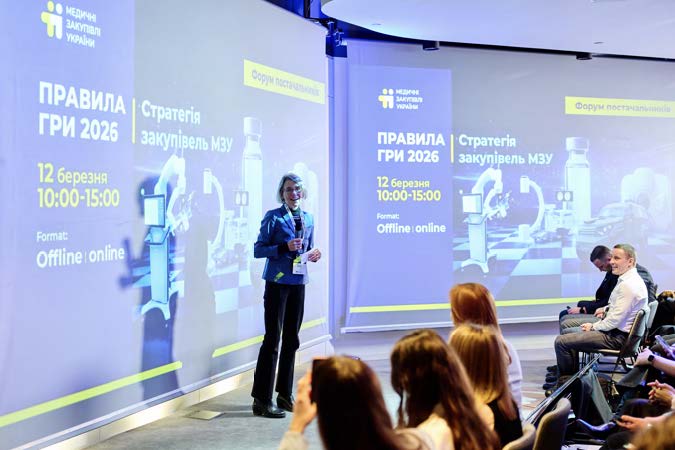
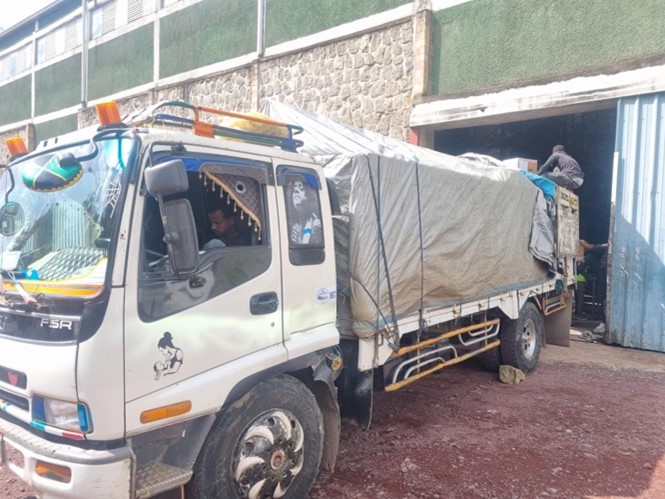
In Ethiopia, the Philippines, and Ukraine, MSH-supported private logistics partnerships helped deliver medicines and vaccines to remote and hard-to-reach communities, helping maintain continuity of care during conflict, climate-related disruptions, and other supply chain challenges.


Pharmaceutical systems strengthened to combat antimicrobial resistance
MSH has supported 15 countries to strengthen antimicrobial stewardship, infection prevention, and One Health coordination across human, animal, and environmental health sectors to combat drug-resistant pathogens.

April 9, 2026Story
March 30, 2026Resource