
Primary Health Care Performance Management (PHC-PM) Activity: Lessons from District-Led Primary Health Care Transformation in Ghana and Rwanda
Primary Health Care Performance Management (PHC-PM) Activity: Lessons from District-Led Primary Health Care Transformation in Ghana and Rwanda
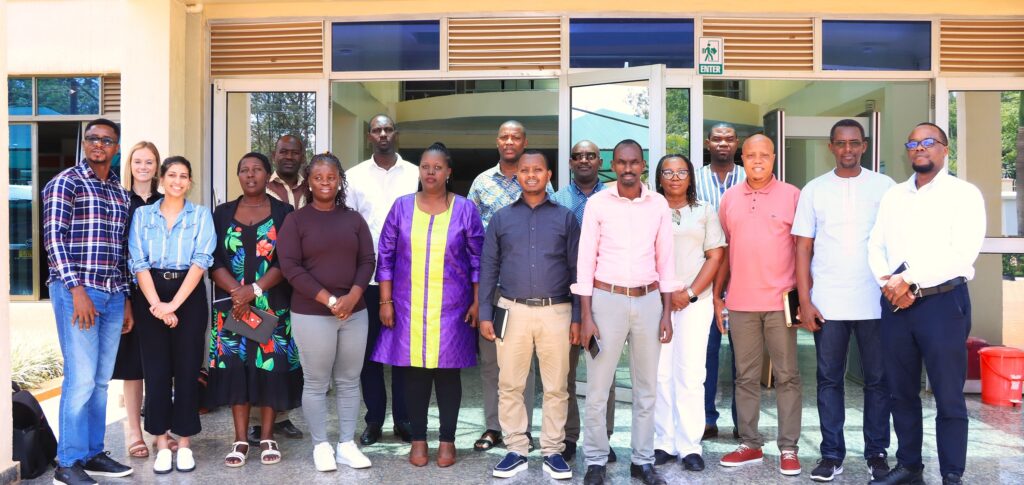
District health teams are often closest to the realities shaping primary health care performance and best positioned to identify practical solutions that respond to local needs. Across Ghana and Rwanda, the Primary Health Care Performance Management (PHC-PM) Activity worked with District Health Management Teams (DHMTs) to strengthen leadership, management, governance, and data-driven decision-making in primary health care.
Implemented by Management Sciences for Health (MSH) and funded by the Gates Foundation, the PHC-PM Activity is a collaboration between MSH, Ubora Institute (Ghana), Building Systems for Health (Rwanda), Three Stones International (Rwanda), HISP Ghana, Zenysis Technologies, and district and national health authorities in both countries.
Through a tailored Primary Health Care Leadership Development Program (PHC-LDP), integrated data dashboards, catalytic grants, and iterative performance improvement cycles, districts strengthened their ability to translate data into action, address service delivery bottlenecks, and improve health outcomes in resource-constrained settings.
These four technical briefs capture lessons learned from district leaders, health workers, community actors, and managers across four districts in Ghana and Rwanda. Together, they explore what it takes to strengthen and sustain district-led primary health care performance—and what conditions help local teams move from planning to implementation.
Explore the Technical Briefs
Catalytic Grants for Expanding Fiscal Autonomy and Driving Health Care Performance
Flexible financing helped district teams move from aspirational planning to implementation by expanding local decision space and enabling timely responses to service delivery bottlenecks. Districts used catalytic grants to strengthen outreach, supervision, equipment procurement, maternal health services, and community engagement while improving accountability and data-driven prioritization. The brief also examines sustainability risks and lessons for integrating catalytic funding into routine financing systems.
Strengthening Community Engagement for Improved Health Outcomes
Community engagement emerged as a critical driver of improved PHC performance. Districts strengthened relationships between health systems and communities through home visits, outreach services, collaboration with traditional and faith leaders, and more structured dialogue between facilities and communities. The brief explores how stronger community engagement improved antenatal care attendance, nutrition outcomes, and trust in health services while highlighting persistent challenges related to staffing, transport, and multisectoral collaboration.
Sustaining District-Level PHC Performance and Management Practices
What happens after project funding ends? This brief examines which PHC leadership and management practices are most likely to endure beyond external support and what threatens long-term sustainability. Findings show that sustainability was strongest where performance management practices became embedded within routine district systems, supervision structures, and planning cycles. The brief also explores the role of leadership continuity, financing, ownership, and institutionalization in sustaining district-level gains.
District Dashboard Use for Performance Management
District dashboards helped health management teams move from reviewing data to acting on it. By integrating routine health information into practical visual tools aligned with district priorities, dashboards supported facility comparison, performance tracking, data validation, and decision-making. The brief examines what enabled dashboard adoption, where implementation challenges persisted, and what it takes to embed data use into routine management practices.