
Advancing HPV Vaccination and Cervical Cancer Prevention, Screening, and Treatment in Nigeria
Supporting the systems, evidence, and financing needed to sustain progressNigeria has made major progress in expanding access to HPV vaccination. The next challenge is sustaining that momentum while strengthening the systems needed to prevent, detect, and treat cervical cancer over time.
Management Sciences for Health (MSH) is working with the Federal Ministry of Health and Social Welfare, the National Cancer Control and Nuclear Medicine Program, the National Primary Health Care Development Agency, state governments, National Institute for Cancer Research and Training (NICRAT), Department of Health Planning, Research and Statistics (DHPRS), state governments, Clinton Health Access Initiative (CHAI), and local partners Women Advocates for Vaccine Access (WAVA) and the Solina Centre for International Development and Research (SCIDaR) to strengthen the evidence, financing, and data systems behind Nigeria’s cervical cancer response.
With support from the Gates Foundation, this work connects two critical priorities: sustaining routine HPV vaccination and improving the government’s ability to track cervical cancer screening and treatment through national health information systems.
From vaccine introduction to long-term prevention
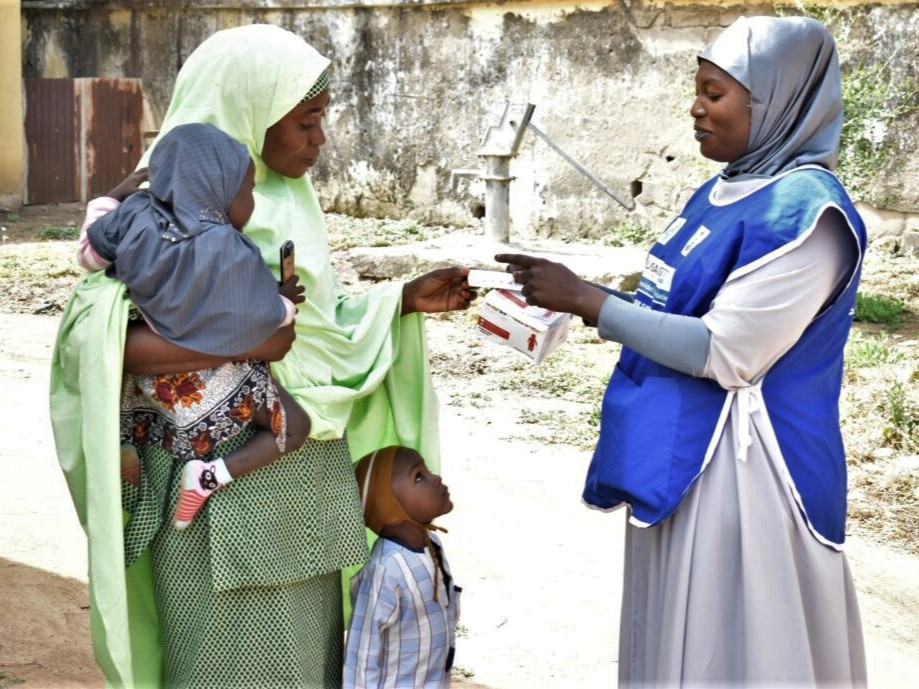
Nigeria introduced single-dose HPV vaccination for girls ages 9-14 in 2023, creating an important foundation for cervical cancer prevention.
MSH and local partners worked with national and state leaders in Kaduna, Kano, and Lagos to identify the financing, policy, workforce, data, and community-level barriers affecting routine HPV delivery—and translate that evidence into practical recommendations.
The work helped states understand what sustained HPV vaccination will require as external support changes, including an estimated cost of approximately ₦9,000–₦14,000 per eligible girl.
Recommendations include dedicated immunization budget lines, stronger coordination mechanisms, integration of HPV activities into annual operational plans, and greater use of domestic financing mechanisms.
Building routine data for cervical cancer control
MSH is now supporting the Government of Nigeria to strengthen how cervical cancer screening and treatment are tracked nationally.
Working with the Federal Ministry of Health and Social Welfare and other national institutions, MSH is helping develop and integrate standardized cervical cancer data elements and indicators into the National Health Management Information System and DHIS2 platform.
This will allow primary, secondary, and tertiary facilities to report cervical cancer services through systems they already use—giving government leaders stronger information to monitor progress, identify gaps, guide resources, and track progress toward national and global cervical cancer elimination targets.
Partnership in action

Turning evidence into government action
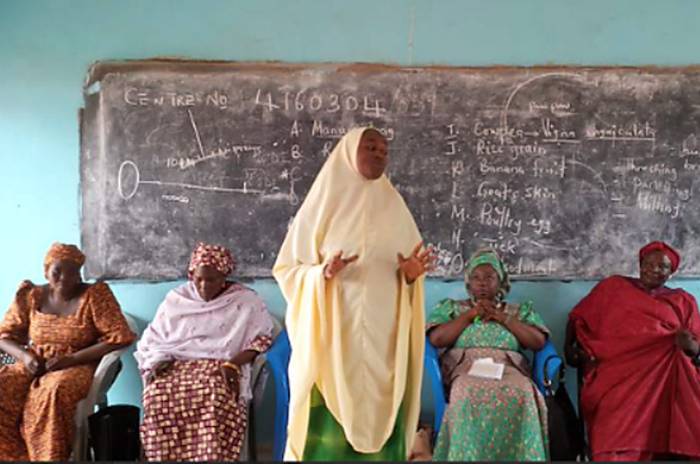
Research and consultation with government, civil society, and community stakeholders produced policy and programmatic recommendations to help create the conditions needed to sustain HPV vaccination—from financing and workforce capacity to service delivery, data systems, coordination, and community trust.
In Kano State, HPV vaccination coverage increased from 4% to 86%, showcasing what strong government leadership, local ownership, and coordinated implementation can make possible.
Building evidence for future vaccine delivery
Research conducted by MSH, WAVA, and SCIDaR identified barriers to sustained HPV vaccine delivery across Kaduna, Kano, and Lagos and generated practical recommendations for strengthening routine immunization.
The lessons extend beyond HPV. Many of the same financing, workforce, data, and community-engagement challenges shape how countries introduce and sustain other vaccines.

Explore Our Impact