ACCESS in Madagascar: Strengthening Primary Health Care at Scale

The systems behind better health outcomes

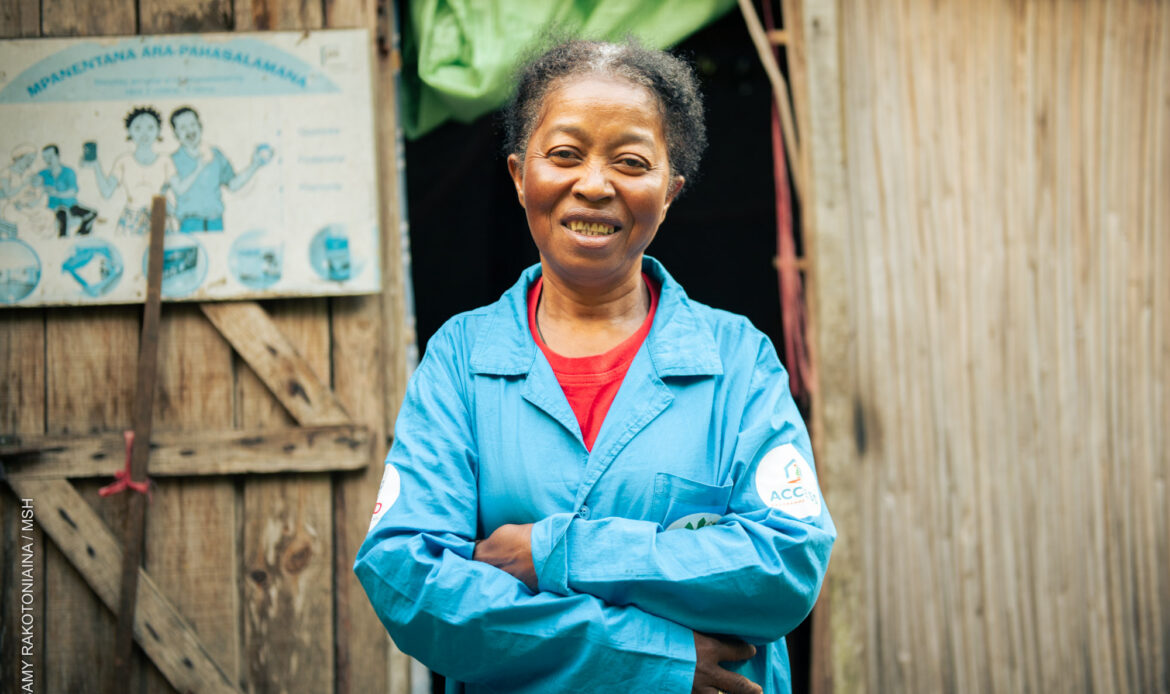
From 2018 to 2025, through the U.S. Government-funded ACCESS program, Management Sciences for Health (MSH) partnered with the Government of Madagascar to strengthen primary health care and improve health outcomes across 78 districts in 14 regions, reaching areas home to more than 16 million people.

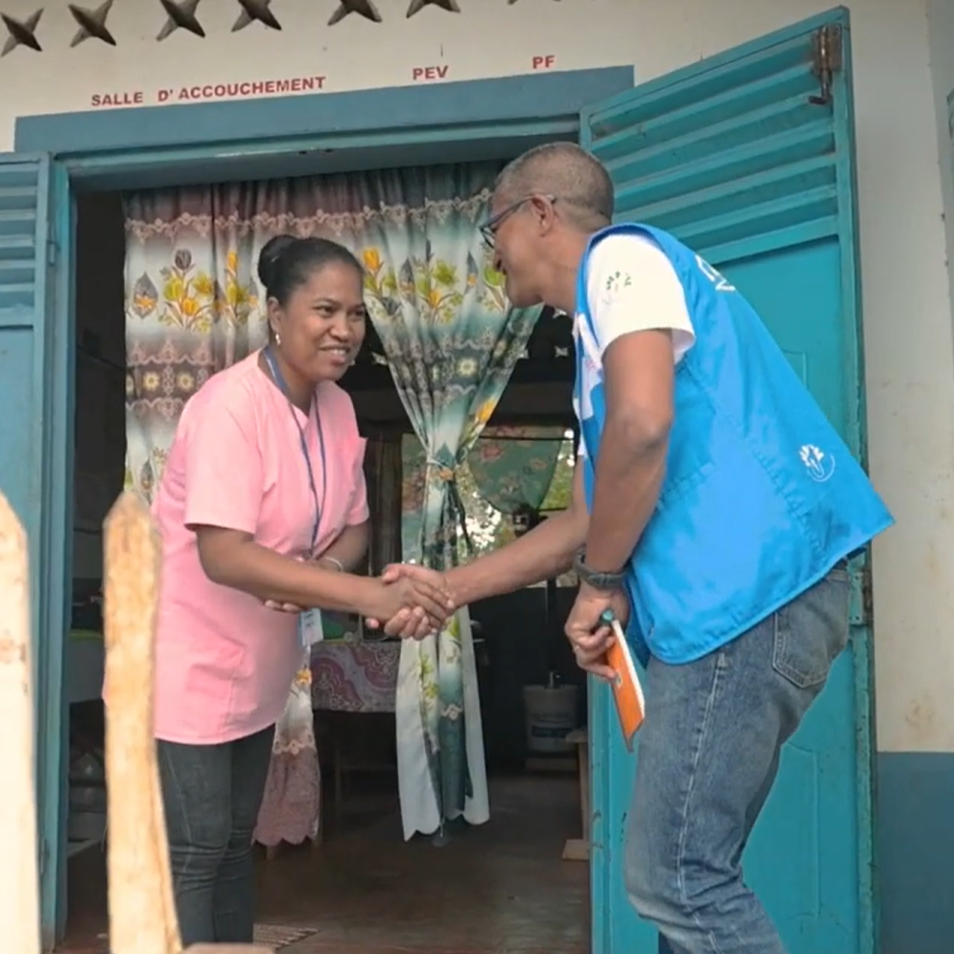
Working alongside the Ministry of Public Health, health workers, community health volunteers, and local partners, MSH helped improve the quality and accessibility of essential services while strengthening the systems needed to sustain them.

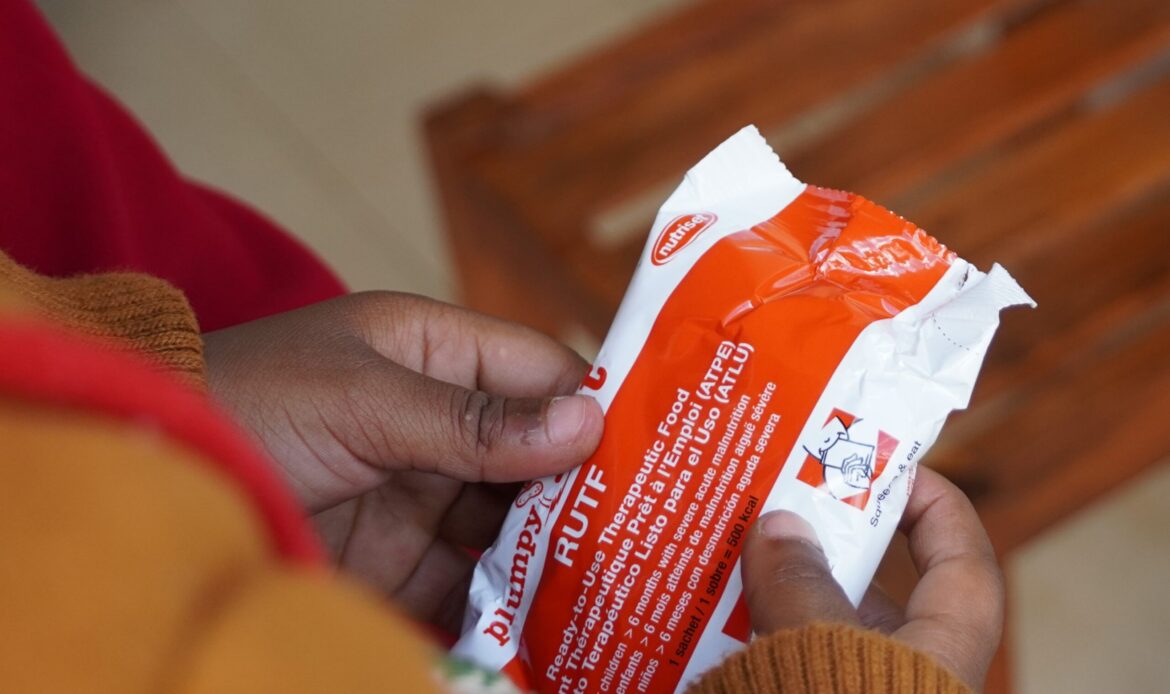
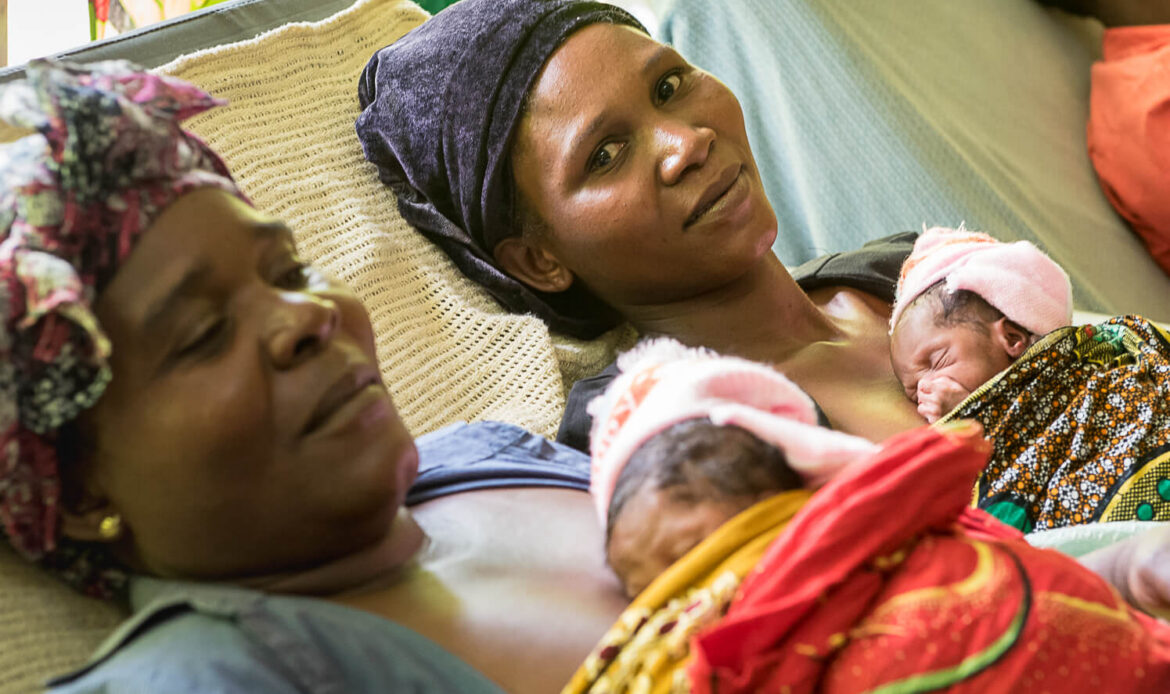
The work connected improvements in maternal, newborn, and child health; family planning and reproductive health; malaria; nutrition; and water, sanitation, and hygiene with stronger leadership and management, health information systems, digital tools, supply chains, and quality improvement. MSH also supported Madagascar's health system through public health emergencies, including measles, polio, and COVID-19.

Approaches

The ACCESS program worked shoulder to shoulder with the communities it served to improve the quality of the country's health system. Now, the Malagasy people can continue these healthy practices and proudly say "we did it ourselves!"
Access to and quality of care alt

Access to and quality of care

ACCESS improved the quality and accessibility of person-centered health care—particularly primary care at the community level and health facility levels.
Health systems strengthening alt

Health systems strengthening

ACCESS implemented new leadership and management approaches, as well as improvements to health information management systems and supply chains for medicines and medicinal supplies.
Alignment Community engagement alt

Community engagement

ACCESS implemented activities aimed at promoting health and increasing the demand for care within the targeted communities.
Focusing on the entire system alt

Focusing on the entire system

ACCESS worked with the Ministry of Public Health using a holistic approach aimed at improving Madagascar’s entire health system in order to reduce maternal and child mortality. This translated into a wide range of clinical and non-clinical activities spanning the entire continuum of care.
Tailoring to local needs alt

Tailoring to local needs

In partnership with local stakeholders, ACCESS activities were adapted to the specific needs of each region and community, paying particular attention to the views of communities and the most vulnerable populations.
Ensuring sustainable change alt

Ensuring sustainable change

ACCESS teams supported and co-created with government teams at all levels of the health system, aiming to secure lasting improvements that endure even after the program concludes. ACCESS teams were deployed to support—rather than replace or merely supplement—ministry teams, with the goal of ensuring a gradual transfer of skills and tools.

Madagascar Advances toward UHC Through Financial Empowerment: The MSH-led USAID ACCESS program is helping families in rural areas manage unexpected health expenses through Savings and Internal Lending Communities (SILCs)—groups that provide households with a secure way to save and borrow, increasing income and financial resilience. In this video, hear from a mother who was able to give her daughter the care she needed without having to jeopardize her financial stability, all thanks to the SILC group.

Supporting Primary Health Care in Madagascar: ACCESS Project Director Dr. Serge Raharison explains how the program is driving progress in primary health care in Madagascar. From strengthening community health systems to improving maternal and child health at the facility level, learn about the key initiatives that ACCESS supports to make health care accessible for all.

How Primary Health Care Changed My Life: USAID ACCESS Director’s Personal Journey: Dr. Serge Raharison, ACCESS Project Director, shares how his grandfather’s advocacy for maternal, child, and newborn health fueled his own passion for making high-quality care accessible to all communities across Madagascar, no matter how remote.

Meet Fanja, a Midwife and Leader Helping to Transform Health Care in Rural Madagascar: Appointed in 2022, Fanja enlisted the help of her community to transform the health center into a clean, healthy, and motivating environment for both patients and staff. She is one of the thousands of health workers supported by the USAID-funded and MSH-led ACCESS program in Madagascar.

COVID-19 is not the first epidemic to hit Madagascar. The country has experienced several plague outbreaks, a measles outbreak, and even a polio outbreak within the last 5 years. USAID’s flagship program, ACCESS, works in close collaboration with Madagascar’s Ministry of Public Health to respond to these outbreaks and foster epidemic preparedness and response activities at all levels of the health system, efforts which have become even more crucial in the fight against COVID-19.

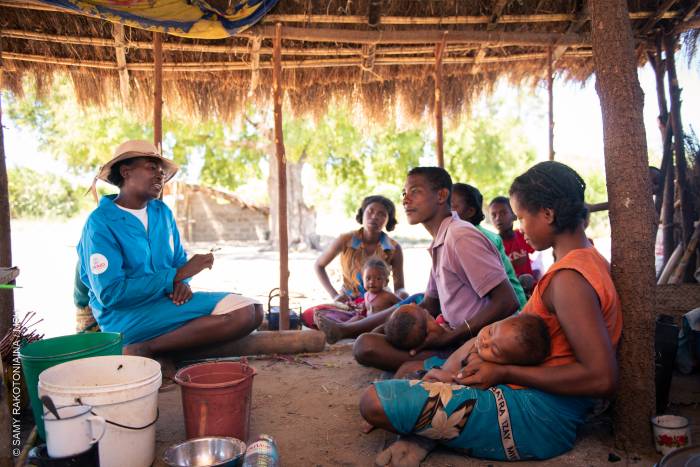
In Madagascar, community health volunteers provide essential health care services to isolated populations. They treat common childhood illnesses and address unmet needs for contraception. Community health volunteer Brunette from Vatovaty Fitovinany is using the CommCare mobile application to provide better family planning services to her clients.

"Ever since I started educating people about the benefits of mosquito bed nets, no one has died from malaria in my village," says Leany Fameno in Madagascar. Fameno is one of the thousands of community health volunteers empowered by the MSH-led, USAID-funded ACCESS program with the tools and skills to foster social behavior change, including the proper use of bed nets.

achievements-img1 alt

More than 18,000 community health volunteers (community health volunteers) across 11 regions were equipped with the trainings and tools to provide quality health services, including family planning, malaria case management, and nutrition monitoring. With the support of CHVs, contraceptive coverage rates increased from 34% in 2019 to 47% in 2024.
achievements-img2 alt

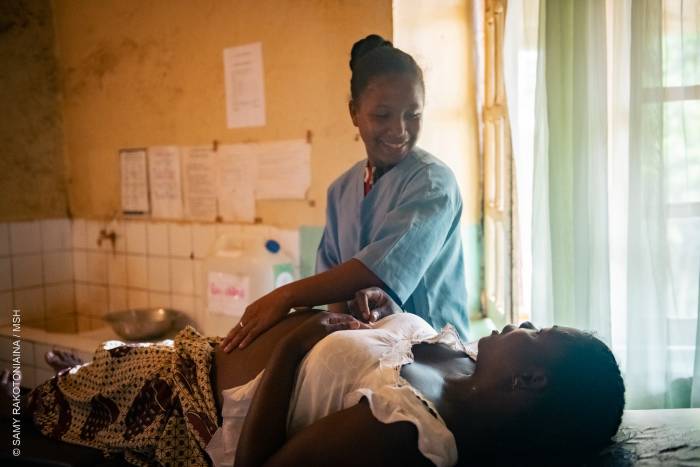
In health facilities, ACCESS strengthened the capacity of health workers to provide quality care and support awareness campaigns, such as those to encourage pregnant women to utilize these services. From 2021 to 2024, the percentage of women receiving uterotonics—a medication that reduces the risk of postpartum hemorrhage—rose from 63% to 89%, protecting new mothers from this life-threatening condition.
achievements-img3 alt

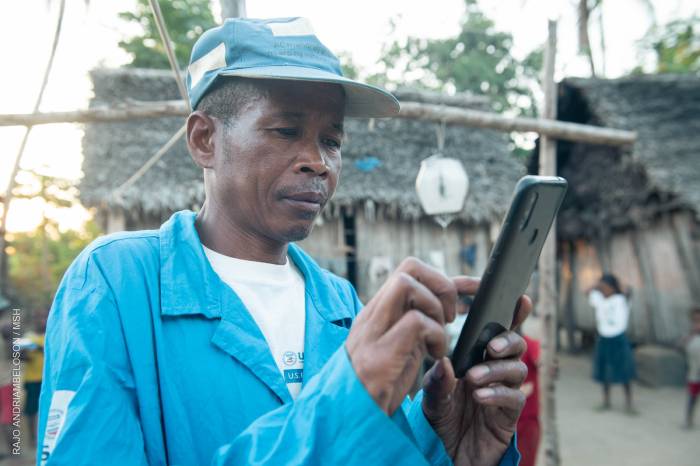
CHVs were equipped with tablets and smartphones to use the CommCare application, an electronic health information platform. More than 4,300 CHVs now use the app to provide quality care, report data, and monitor diseases.
achievements-img4 alt

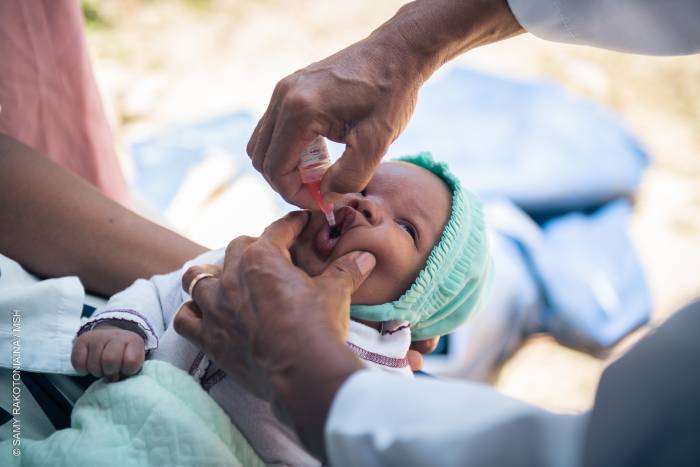
Integrating nutrition, vaccination, and treatment of common illnesses into primary health care services, ACCESS helped reduce child mortality and combat the prevalence of malaria, pneumonia, and other serious diseases among children. Between 2021 and 2024, the coverage rate among infants for the pentavalent vaccine, which protects against five life-threatening diseases, increased from 75% to 83%, and the success rate for resuscitation of newborns at birth increased from 85% to 93%.
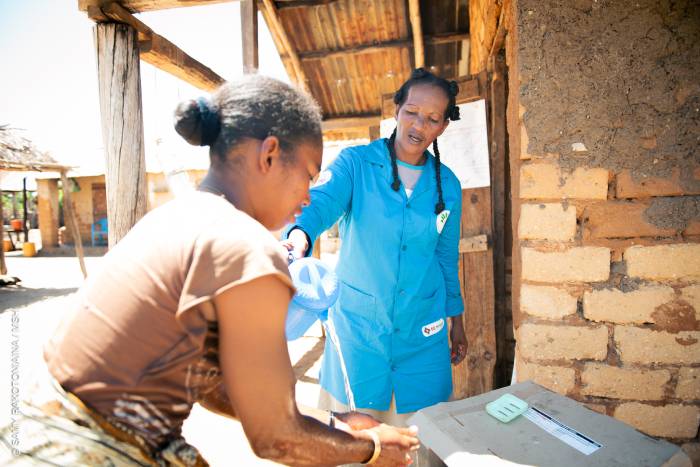
achievements-img5 alt

To improve hygiene, sanitation, and access to safe drinking water, ACCESS trained 418 health workers in water, sanitation, and hygiene (WASH) approaches and constructed and rehabilitated 183 toilets equipped with handwasxhing facilities.