Assistance for Families and Indigent Afghans to Thrive (AFIAT)

From 2020 to 2025, MSH led the US-funded Assistance for Families and Indigent Afghans to Thrive (AFIAT) project. Working with Afghan partners, the project helped improve access to and the quality of essential health and nutrition services, particularly for women and children in underserved rural areas.

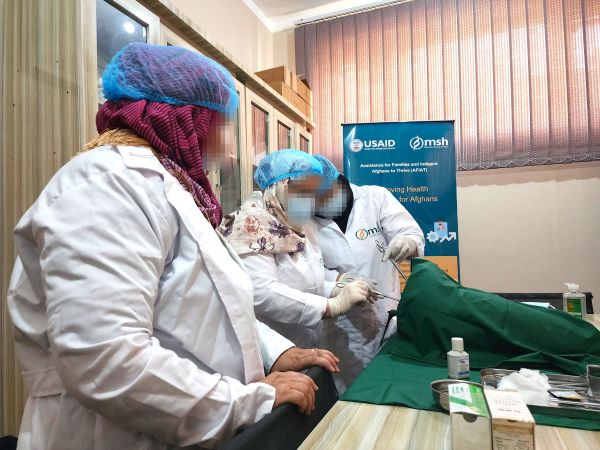
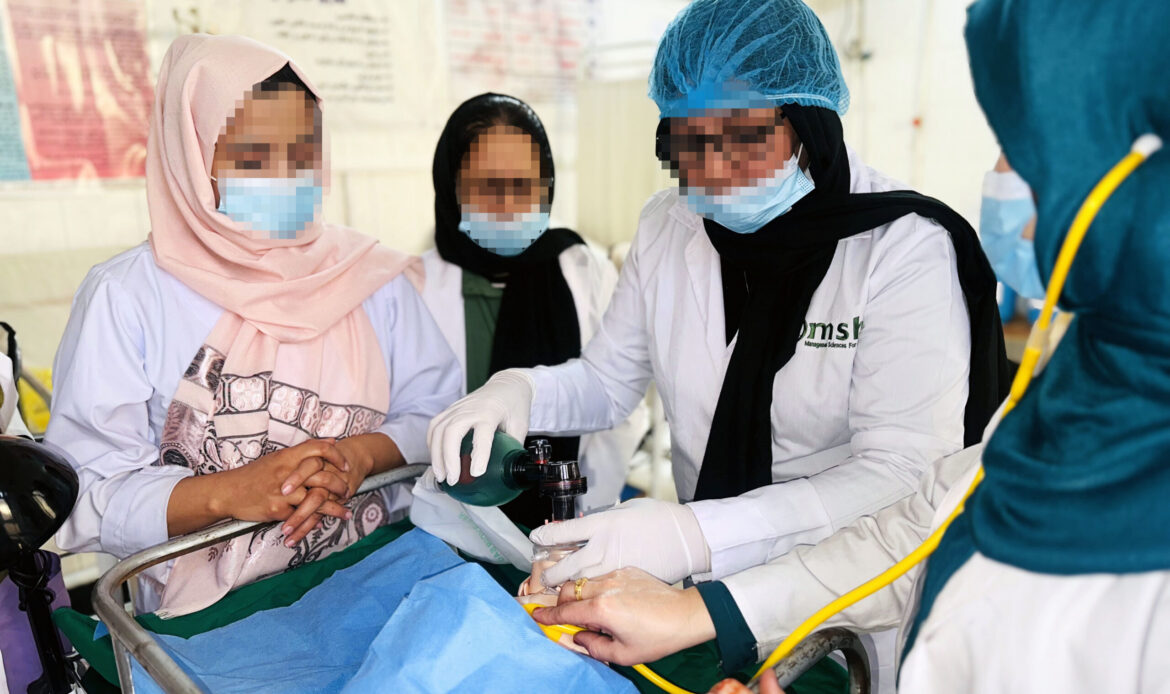
MSH supported care during pregnancy and after childbirth, child health and nutrition, family planning and reproductive health, and tuberculosis (TB) services. We trained and mentored frontline health workers, strengthened referrals from communities to health facilities, and helped facilities manage medicines and supplies.

The project also worked with partners to improve how health services were planned, financed, and managed.

Strong health workforce

Maternal and Newborn Care

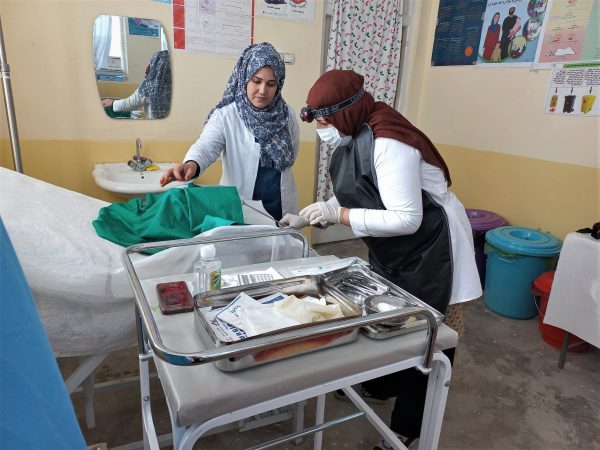
By February 2024, AFIAT had trained and mentored approximately 800 midwives. The project also helped introduce group care during pregnancy and after childbirth, giving women time to ask questions, learn from one another, and receive individual checkups.
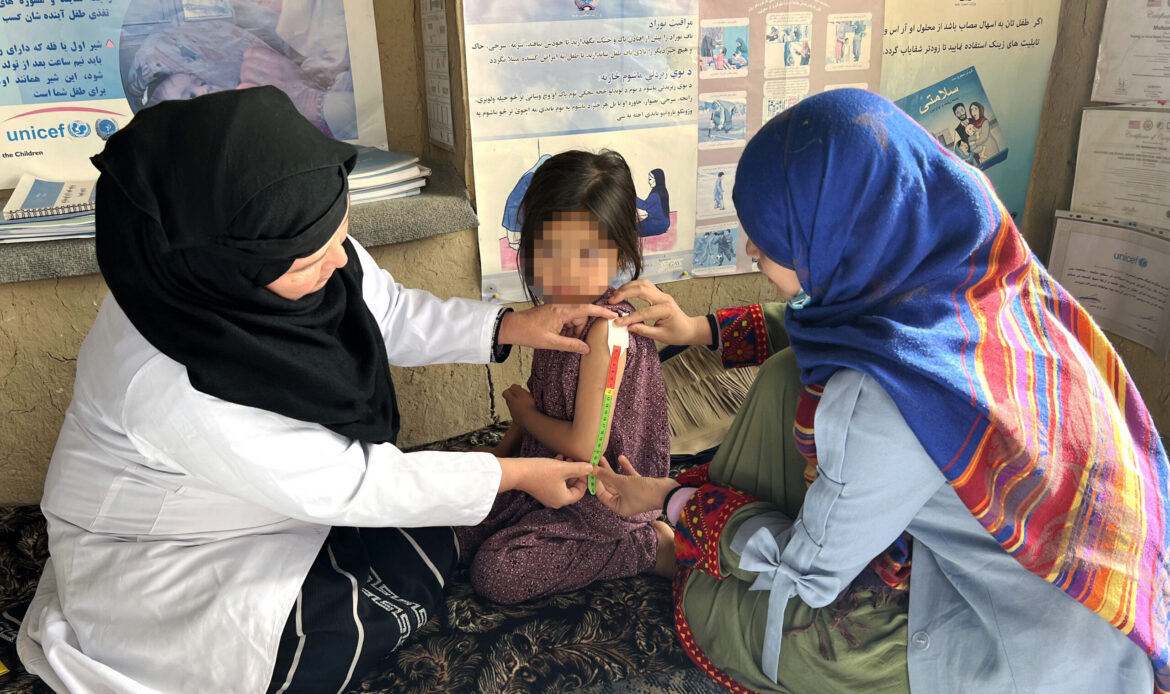
Community health workers (CHWs)

Care Closer to Home

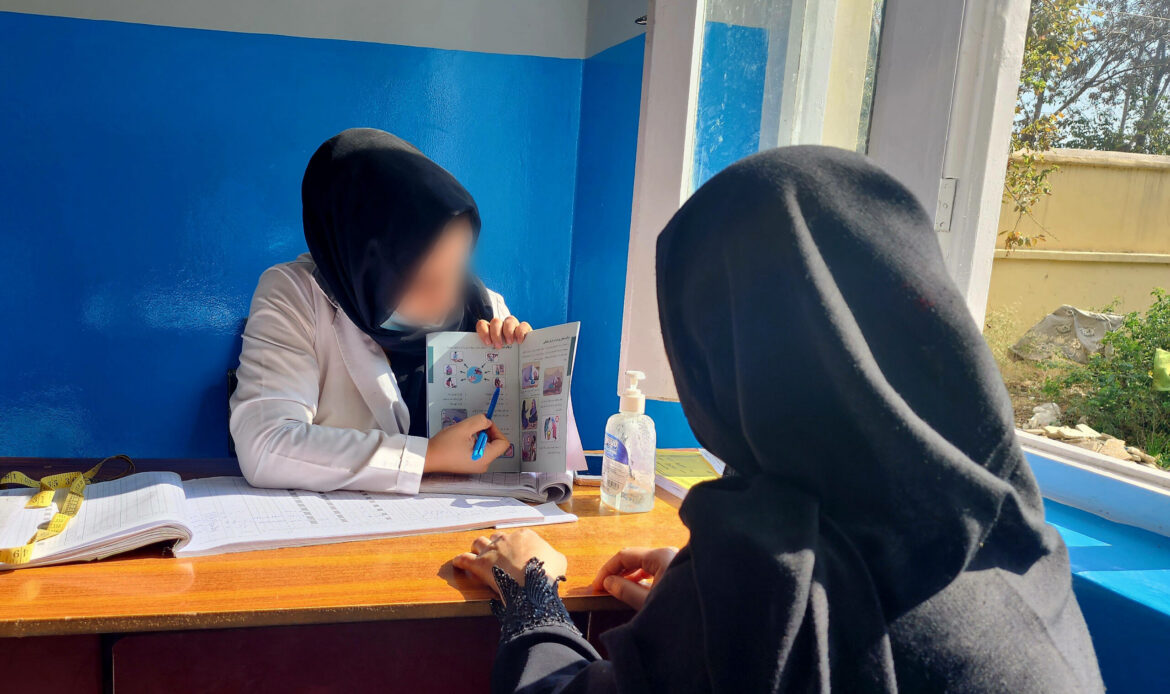
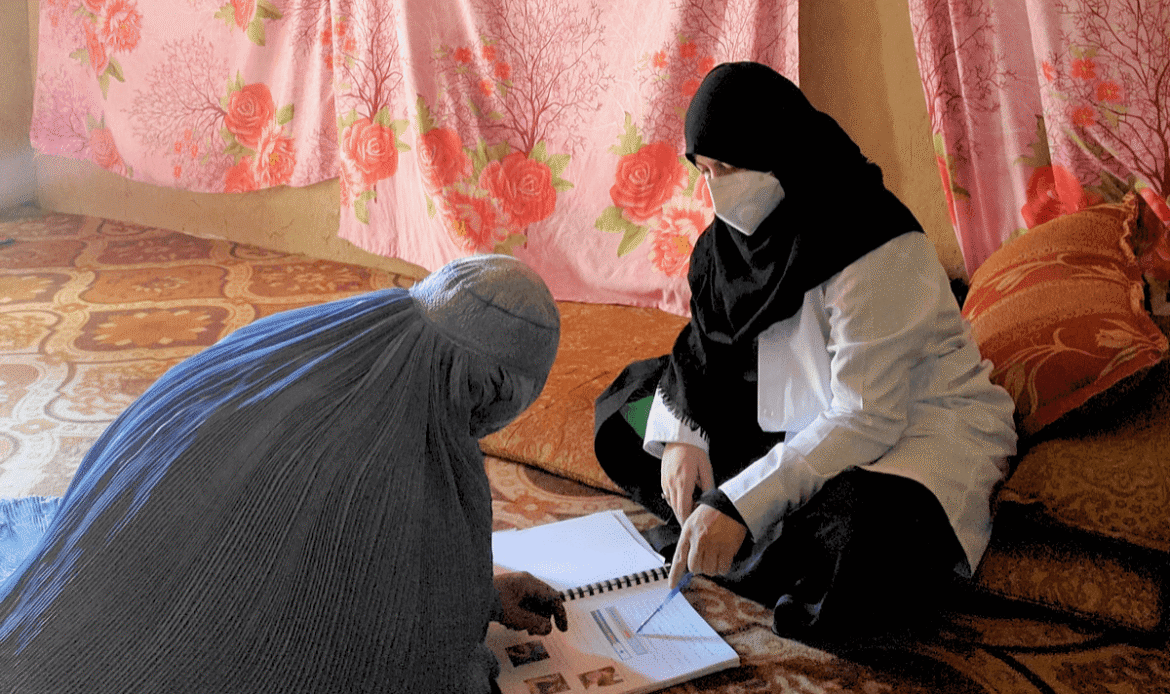
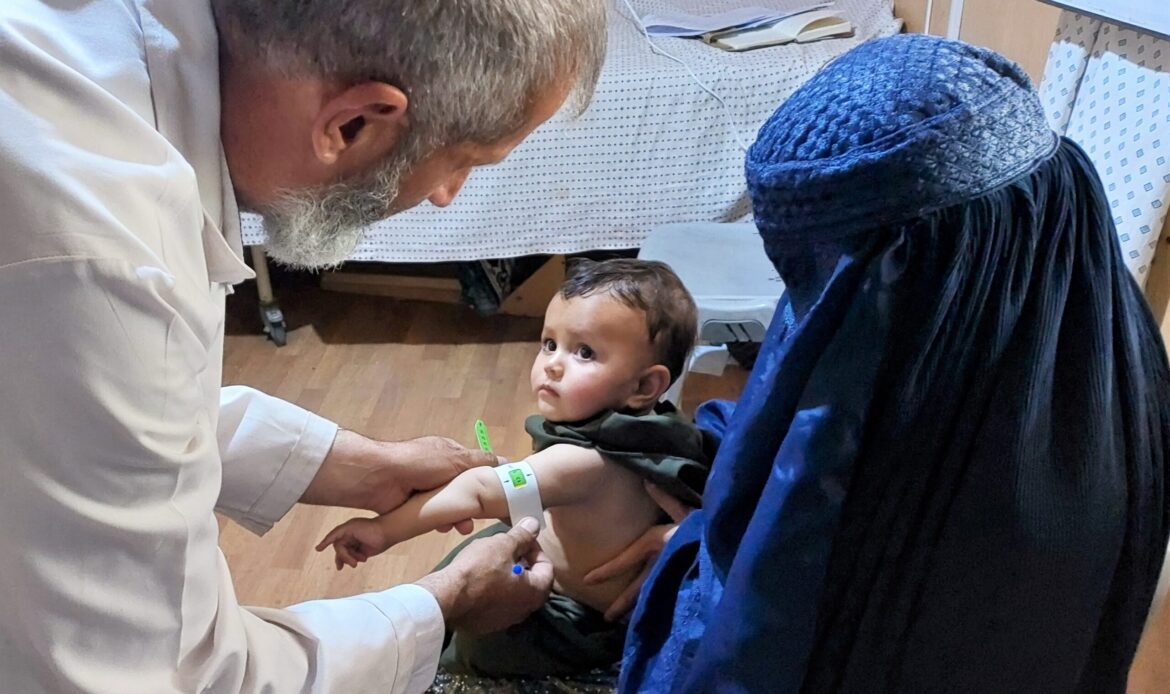
By February 2024, AFIAT had trained and mentored more than 2,400 community health workers, including about 1,270 women. They provided counseling during home visits, helped identify concerns such as malnutrition and possible TB, and referred people to health facilities for further care.
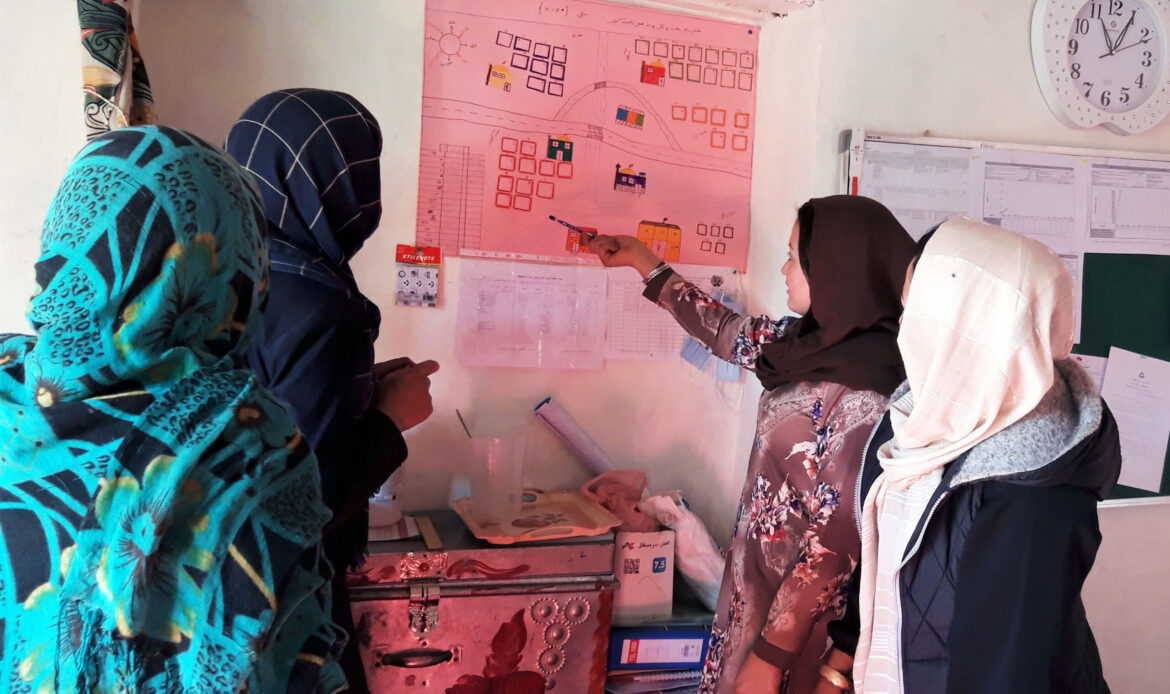
Raihana, a CHW in Bamyan Province

Medicines and TB Testing

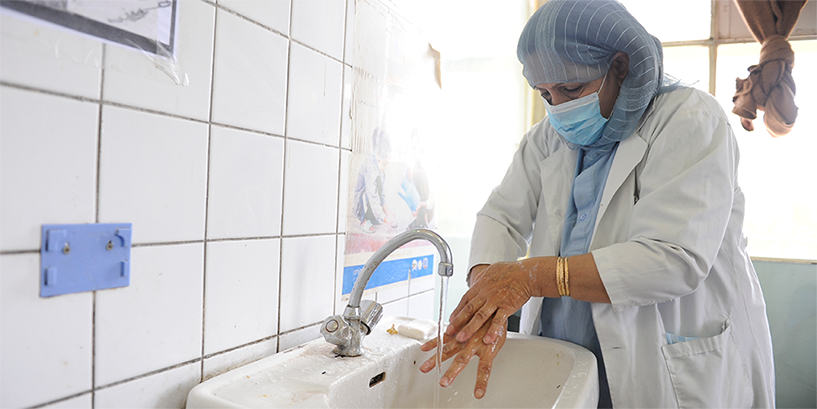
AFIAT trained pharmacy staff to estimate medicine needs and track stock in health facilities across 14 supported provinces. In Takhar Province, the project installed a GeneXpert machine to strengthen TB testing.
Afghanistan

Afghanistan Health Survey 2025

MSH initially commissioned the Afghanistan Health Survey 2025 through AFIAT. The survey gathered household data across all 34 provinces on topics including maternal and newborn care, childhood immunization, and nutrition. The findings give Afghan health leaders and their partners evidence to identify gaps in coverage and plan where to focus resources.

View the Survey Findings