Eliminate TB Project

Strengthening Ethiopia's capacity to prevent, detect, and treat tuberculosis

From 2020 to 2026, the U.S. Government-funded Eliminate TB Project, implemented by MSH, worked alongside Ethiopian government teams and communities to expand access to quality tuberculosis (TB) services and strengthen the systems needed to sustain them.

In partnership with the Federal Ministry of Health, regional health bureaus, and zone and district health teams, the project brought modern diagnostics and treatment closer to people, strengthened health worker skills, and integrated TB screening and prevention into existing services. Its work spanned seven regions and 12,450 hospitals, health centers, and health posts.

The project paired improvements in care with investments in laboratory quality, supply chains, data use, and government planning and financing. More than 150 districts transitioned to full government ownership of routine TB services, an important foundation for a nationally led, resilient TB response.

Expanding Care. Building Lasting Capacity.

Impact Dashboards

Diagnosis and treatment closer to home

Eliminate TB expanded access to rapid testing, strengthened laboratory quality, and introduced mobile chest X-ray screening supported by artificial intelligence. These tools enabled frontline health workers to identify people who needed further testing, including in communities where travel to diagnostic facilities was difficult. Training and mentoring equipped health workers to provide quality treatment and support patients through recovery. The project also supported the transition from lengthy drug-resistant TB treatment involving daily injections to shorter, all-oral regimens, while strengthening supply chains to keep medicines available.
Impact GrantsL

Community-led screening and prevention

Working with local organizations, community health workers, and TB survivors, the project extended screening through home visits, community outreach, and existing health services. Integrating TB screening into activities such as vaccination campaigns made it possible to identify people who might otherwise have gone undiagnosed. The project also advocated for expanded access to preventive treatment for adults living with HIV and people living with someone who had TB.
Impact Leadership

Government ownership and resilient services

Eliminate TB worked alongside government staff to strengthen their capacity to manage TB services, from diagnosis, treatment, and reporting to frontline mentoring and maintenance of modern diagnostic equipment. Digital tools and stronger health worker skills supported supply planning, while advocacy helped bring TB funding into government planning and budgeting. During conflict in Amhara, the project adapted sample transport, equipment maintenance, mentoring, and patient follow-up to keep services operating. Remote support for more than 1,000 health workers and provision of full courses of medicines helped people continue treatment despite disruption.
Impact MEL

A foundation for TB elimination

Eliminate TB left stronger diagnostic networks, more capable health workers, and greater government ownership of routine services. A large-scale study also generated evidence on combining AI-assisted screening, preventive treatment, community engagement, and improved routine care to accelerate progress. These foundations offer a path forward: sustain core services, expand effective innovations, and continue building Ethiopia’s capacity to lead and finance its TB response.
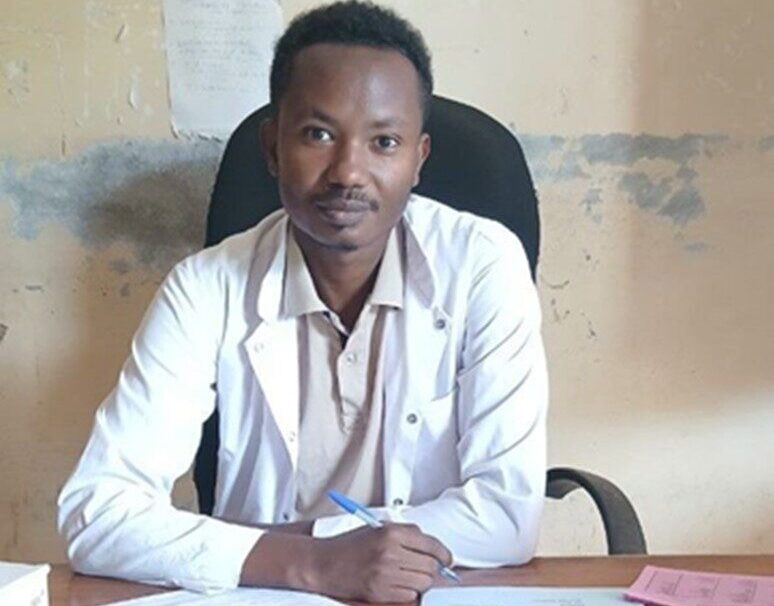
DrAbyLetenga_BolosoBombe-new alt

Resilience Amid Disruption: How Ethiopian Health Workers Sustained TB Services During a U.S. Government Pause

Across Ethiopia, health workers demonstrated extraordinary resilience—drawing on the skills, systems, and tools introduced by the project to sustain essential services, particularly in high-burden regions like Oromia and South Ethiopia.
Getu-smiling-outside-in-the-courtyard-at-Yirgalem-General-Hospitals-TB-Treatment-Initiation-Center_2-scaled alt

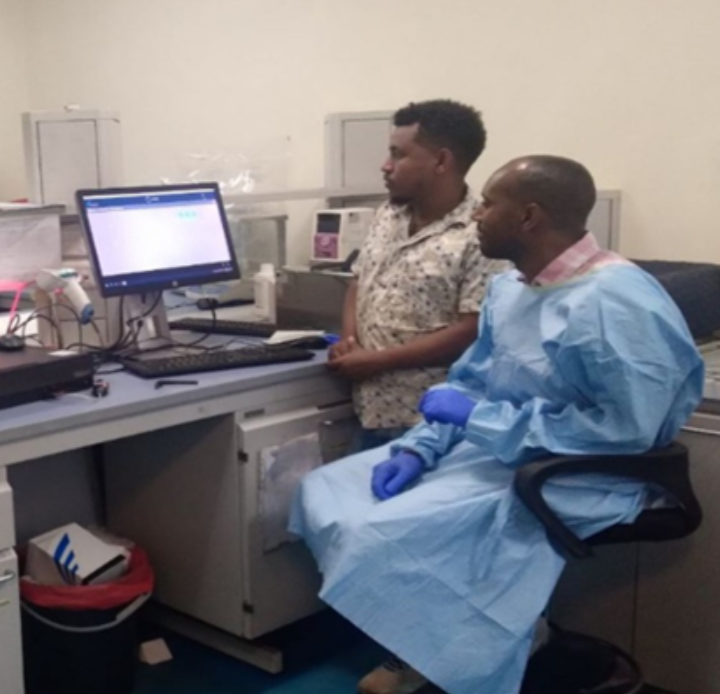
Enhanced Laboratory Services

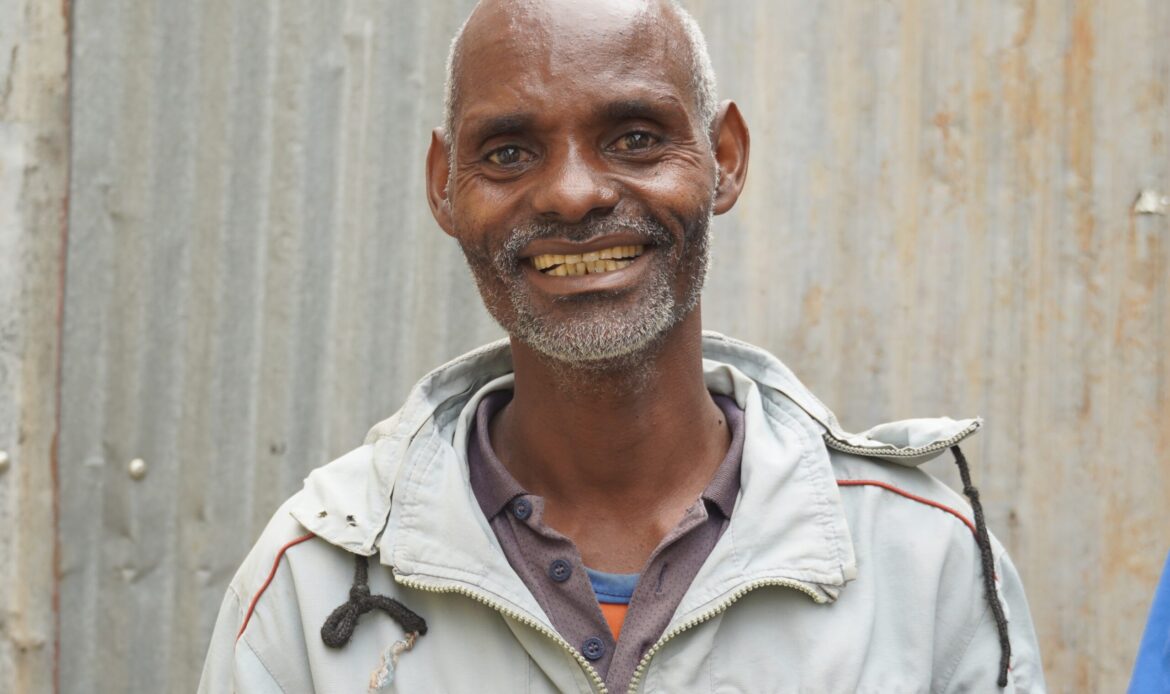
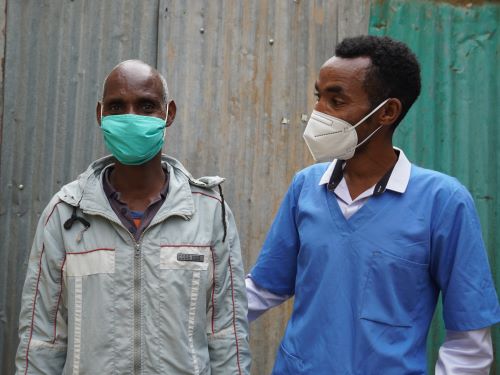
By providing modern diagnostic equipment and training, such as GeneXpert machines and digital X-rays, the project has strengthened laboratory capacity, leading to more accurate and timely TB diagnoses. These efforts are impacting the lives and health of countless people like Getu, who recently completed his TB treatment course.
A woman receiving TB medicines from her nurse.

Elevating Survivor Voices

One Woman’s Journey Back to Health 
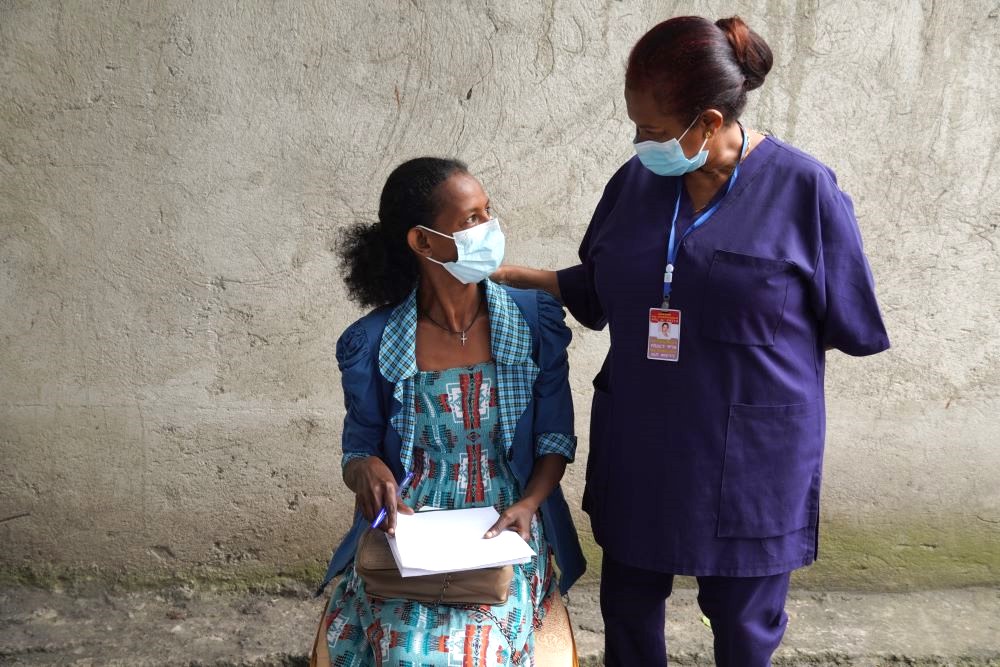
At Adare General Hospital, coordinated TB care made all the difference for one patient. Her recovery shows how person-centered services can restore not just health, but hope.
img alt

A Unified Approach to TB, HIV & COVID-19

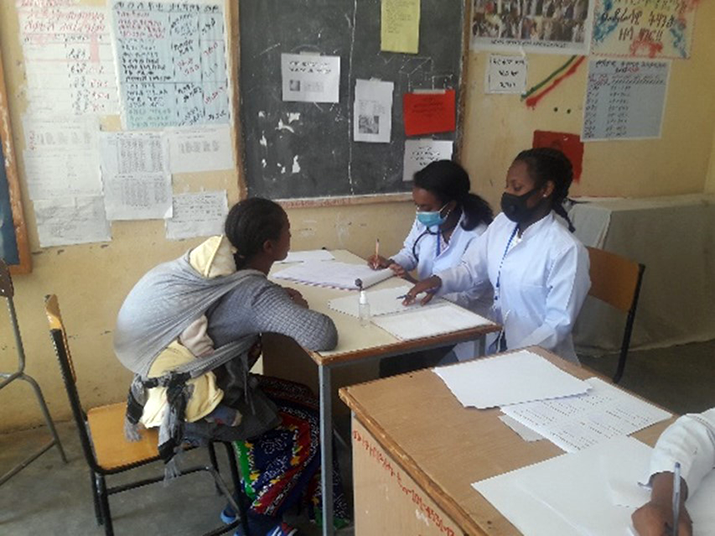
Through integrated screening among displaced populations, the project ensures that no one is left behind. By linking TB, HIV, and COVID-19 services, communities gain faster access to lifesaving care
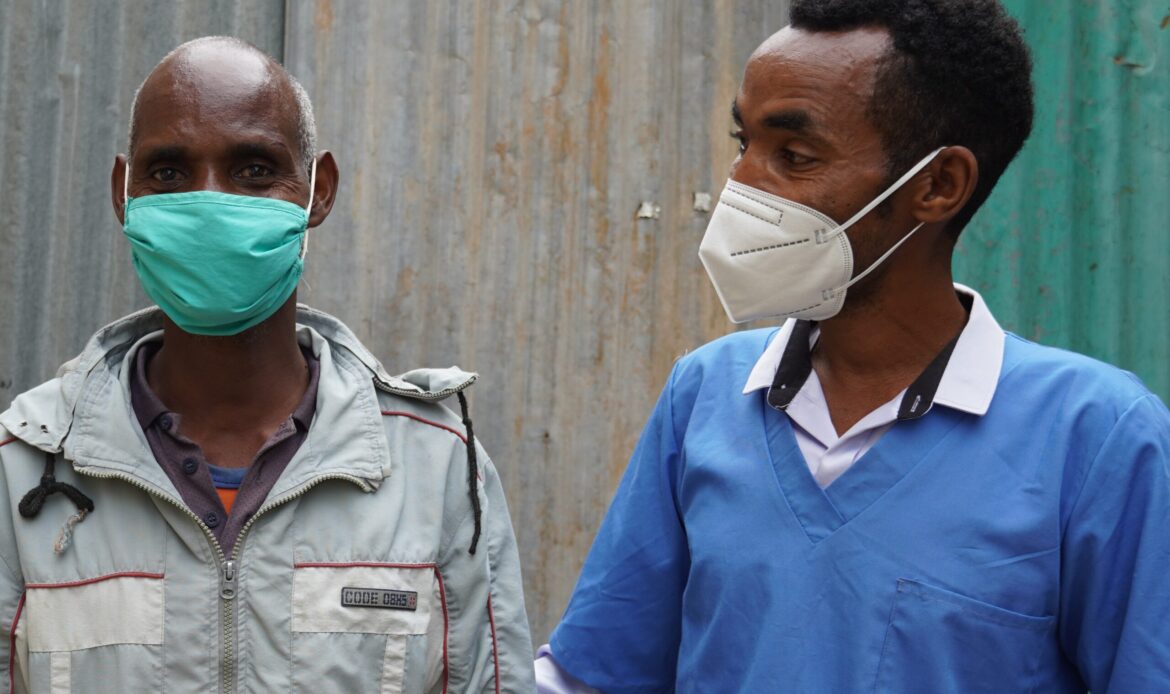
Getu-with-Dr-Hitiya-one-of-his-care-providers-MASK-1-1 alt

Designing a Roadmap to Eliminate TB

Through a collaborative framework, the project is helping set national priorities, identify gaps, and align resources toward high-impact, sustainable strategies—putting Ethiopia firmly on the path to TB elimination.
Children under the age of 15 are especially vulnerable to contracting TB due to their underdeveloped immune systems and how contagious the disease is. In Ethiopia, the Eliminate TB Project partnered with the Ministry of Health and created TV and radio ads to educate the community on TB preventive treatment offered at local health facilities. These ads encourage families who are in close contact with TB-positive patients on how to protect themselves and their community.

There are many reasons—length of the treatment time, fear of side effects, distance from a health facility—why TB patients stop their treatments. Betiglu Legesse, of the Keta Health Center near Addis Abba, Ethiopia, created a new way to encourage patients to return to his facility for their daily TB medicine. On a patient’s first day of treatment, they receive a pot, some soil, and a plant seedling. Every day the patient comes to the facility to care for their plant, they also receive their TB drug regimen. And Legesse is seeing results to his thoughtful plan: an increase in treatment adherence by the health center’s patients.