Using AI to Amplify Efforts
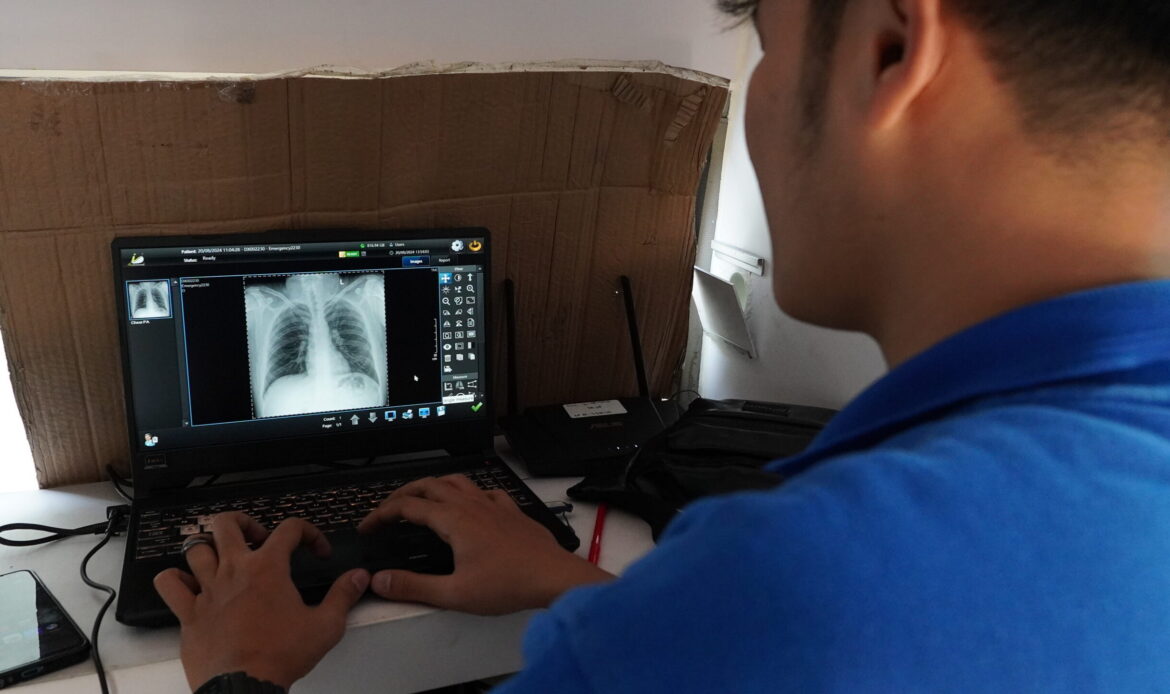
AI technology enables more accurate TB screening results. USAID BEBAS-TB supported the Malang Health Office in utilizing AI-aided detection to screen 6,514 people—306 were found eligible for TB preventive therapy and 270 have begun treatment.
Screening for Treatment and Prevention
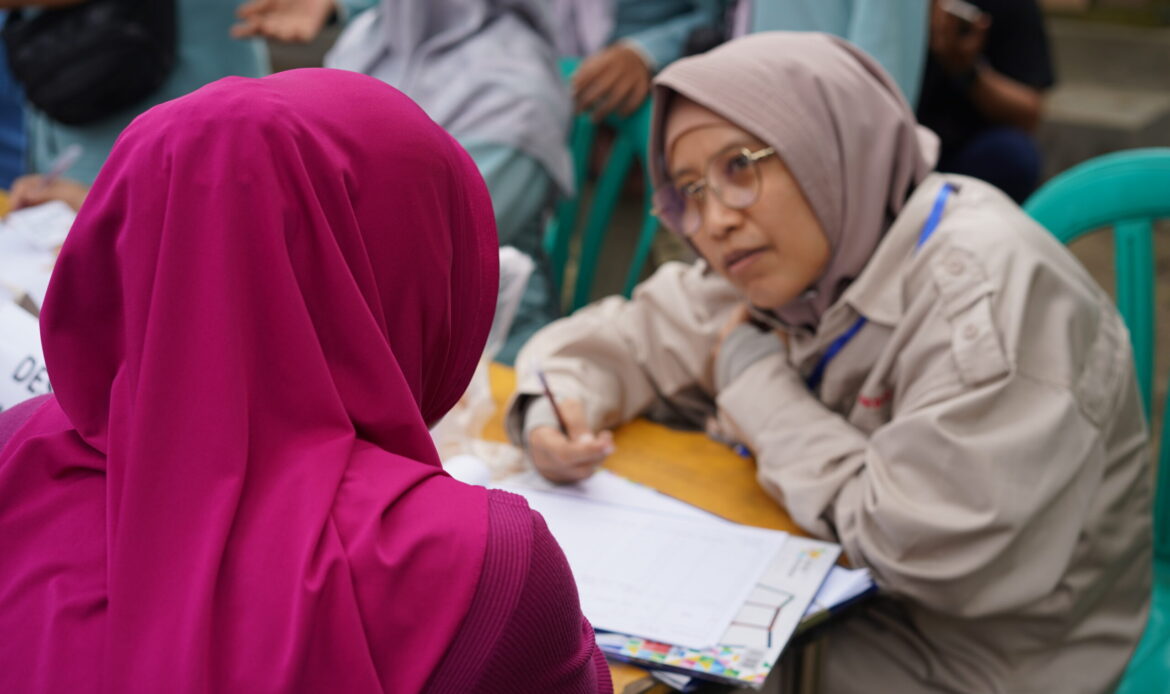
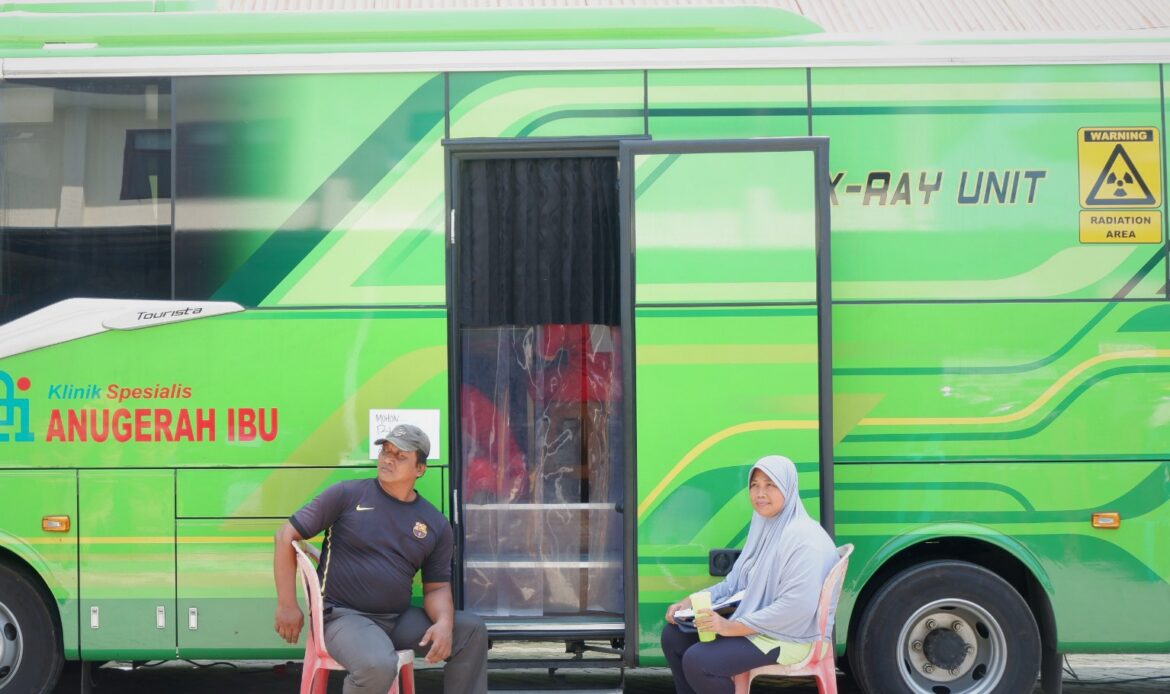
Mobile X-ray units make screening for TB more accessible. At a screening event in North Sumatra, the district health office and local health facility screened over 185 people, surpassing the 150-person goal and identifying 12 cases for follow up.
Using Data to Continuously Improve Care
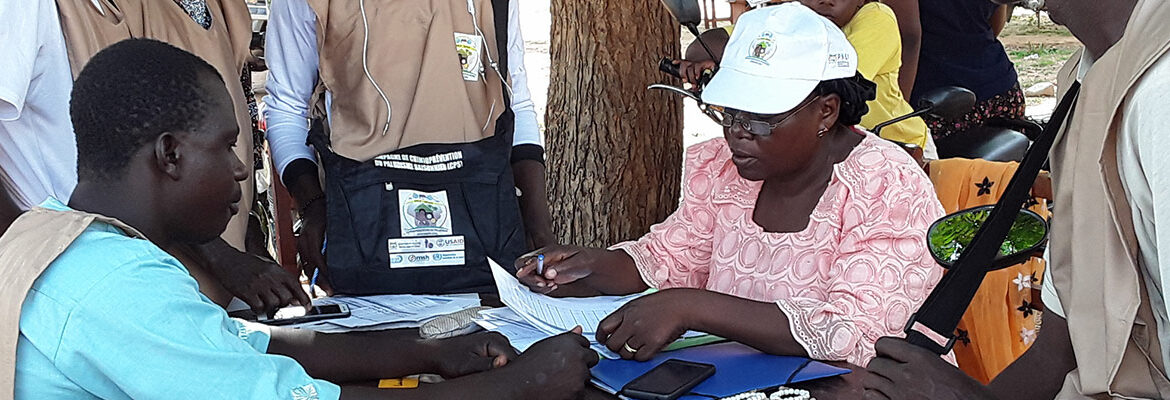
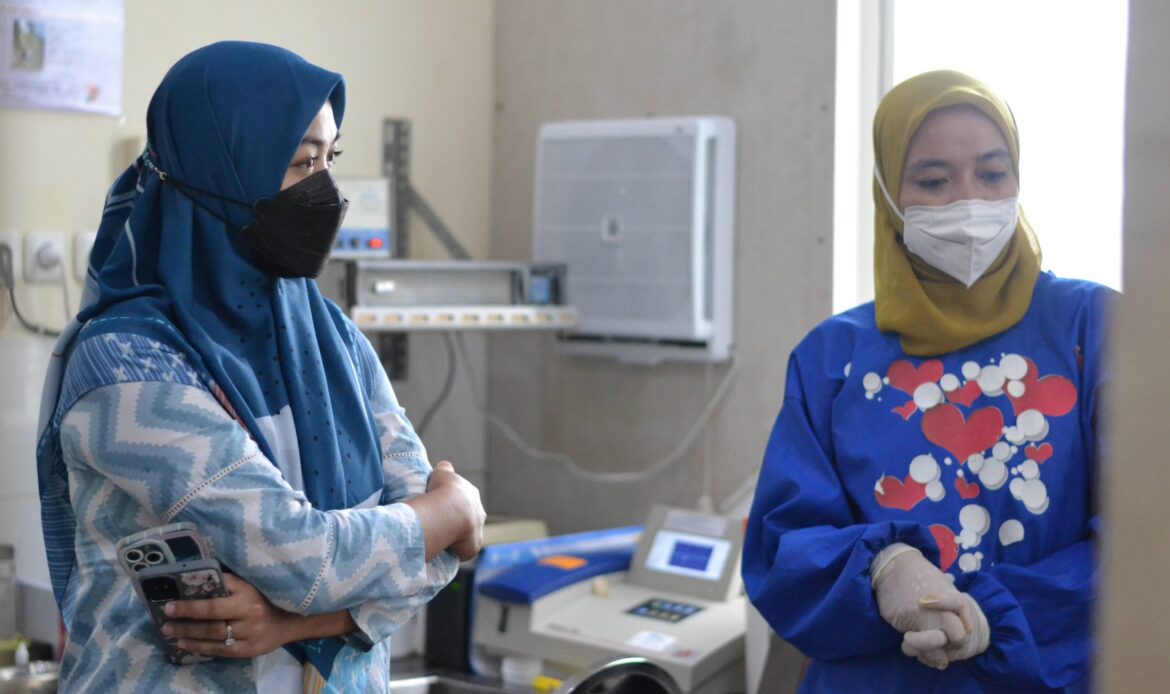
Through the work of USAID BEBAS-TB, 94 health facilities in North Sumatra and East Java have been trained in data collection tools to identify gaps in TB treatment. Validating and verifying this data creates a framework for health facilities to prioritize issues and target improvements.
Gender and TB Treatment
USAID BEBAS-TB convened an online focus group to discuss how target groups seek TB treatment. In Indonesia, specifically encouraging men to seek treatment is seen as an effective approach to reaching larger portions of TB-vulnerable populations.