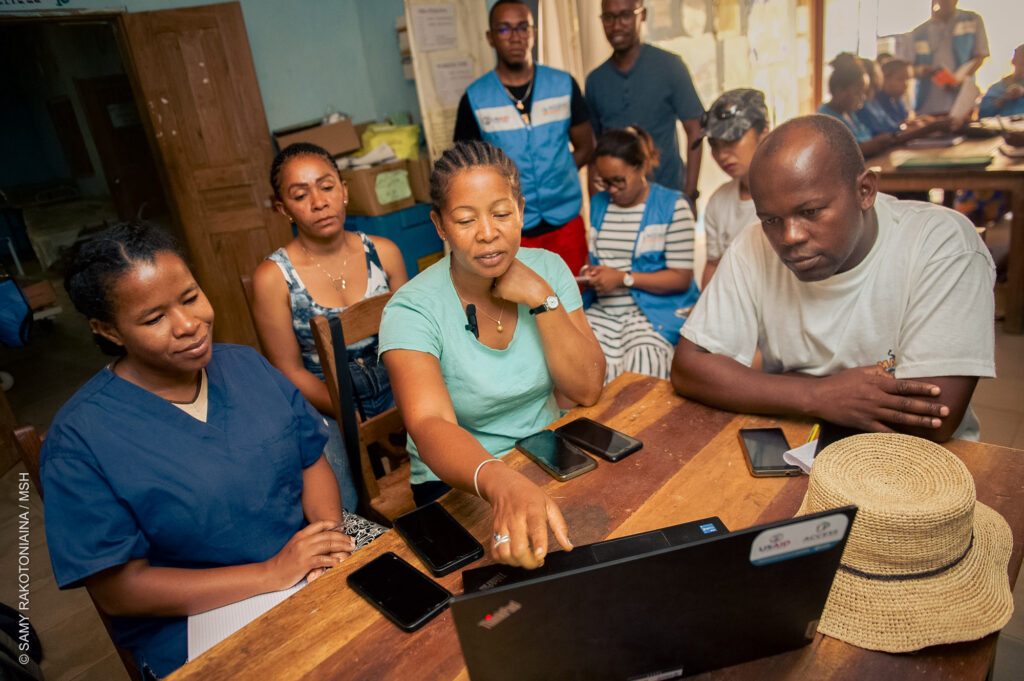
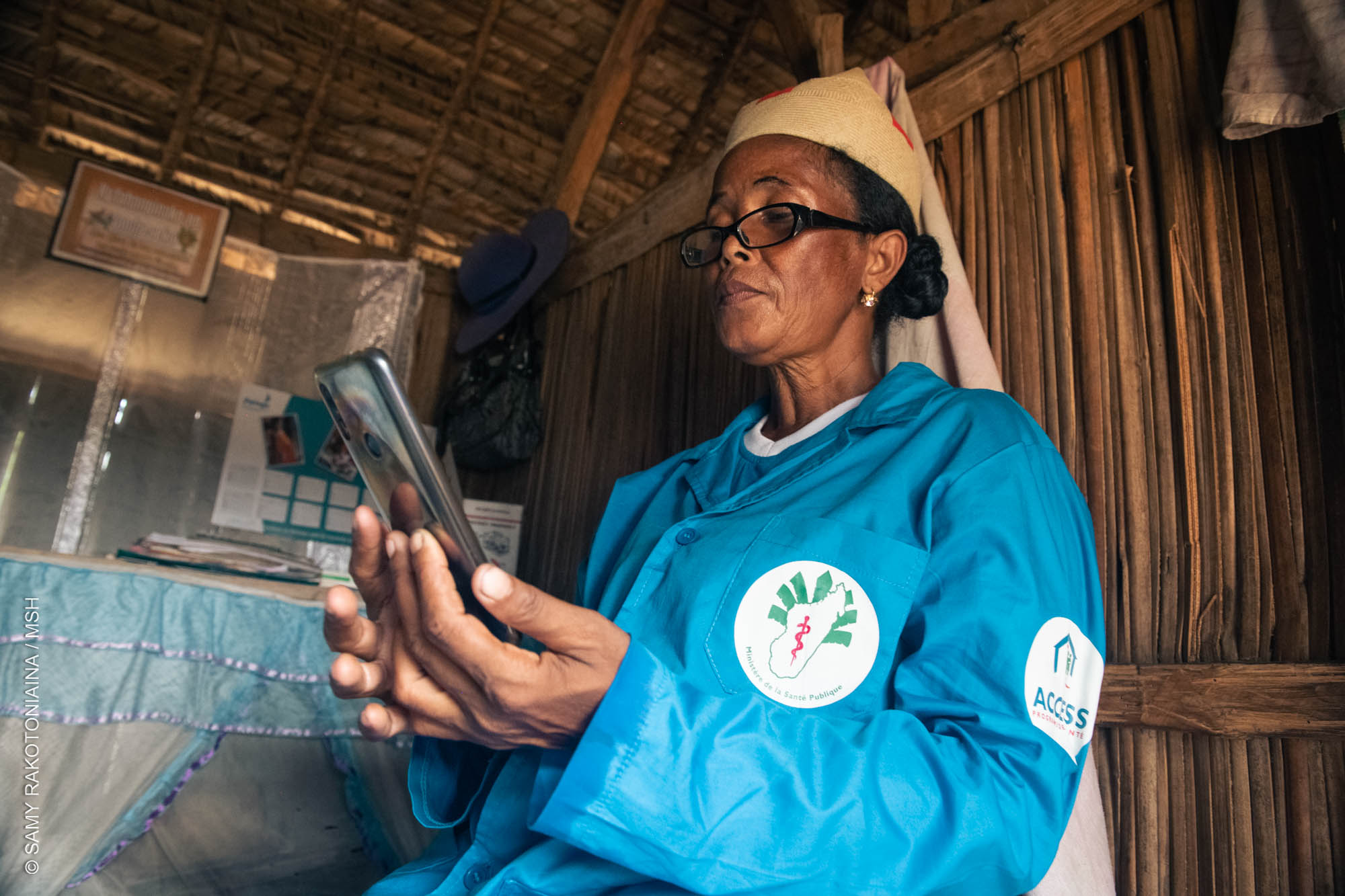
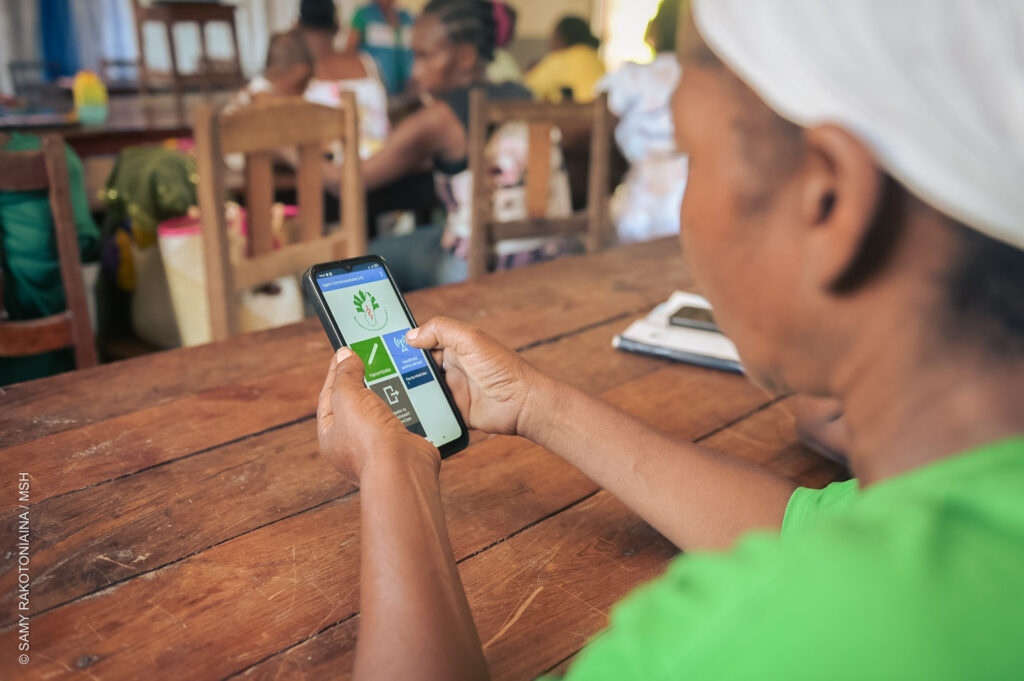
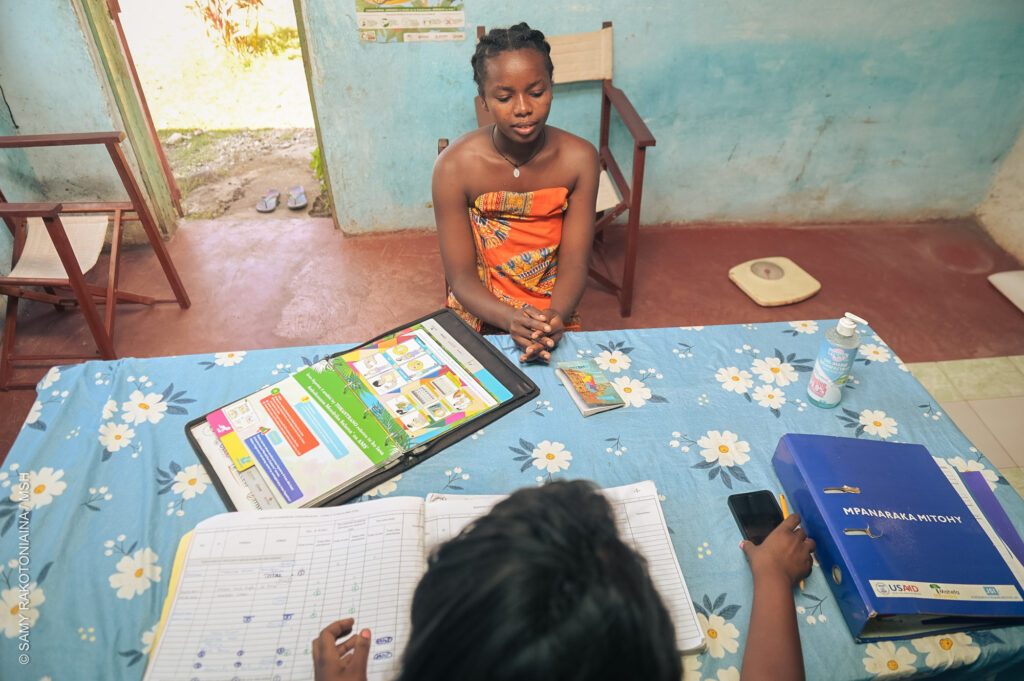
The CommCare mobile application streamlines routine tasks for CHVs, guiding them through diagnosing and managing common childhood illnesses, offering family planning counseling, and facilitating continuity of care at health centers by making sure pregnant women and individuals suffering from severe illnesses are referred to appropriate providers.
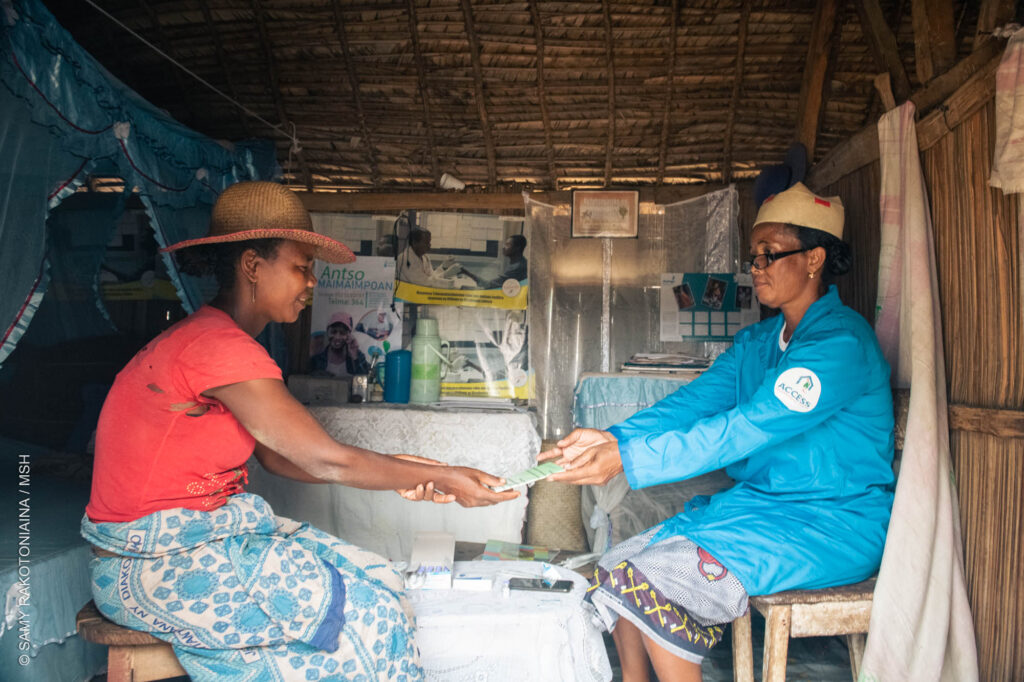
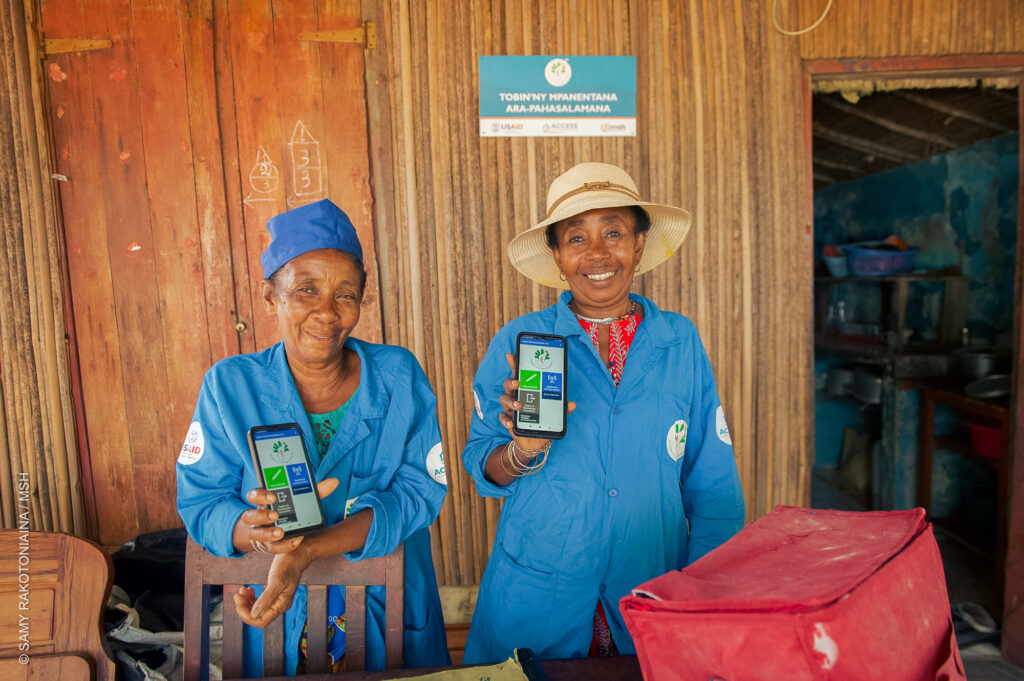
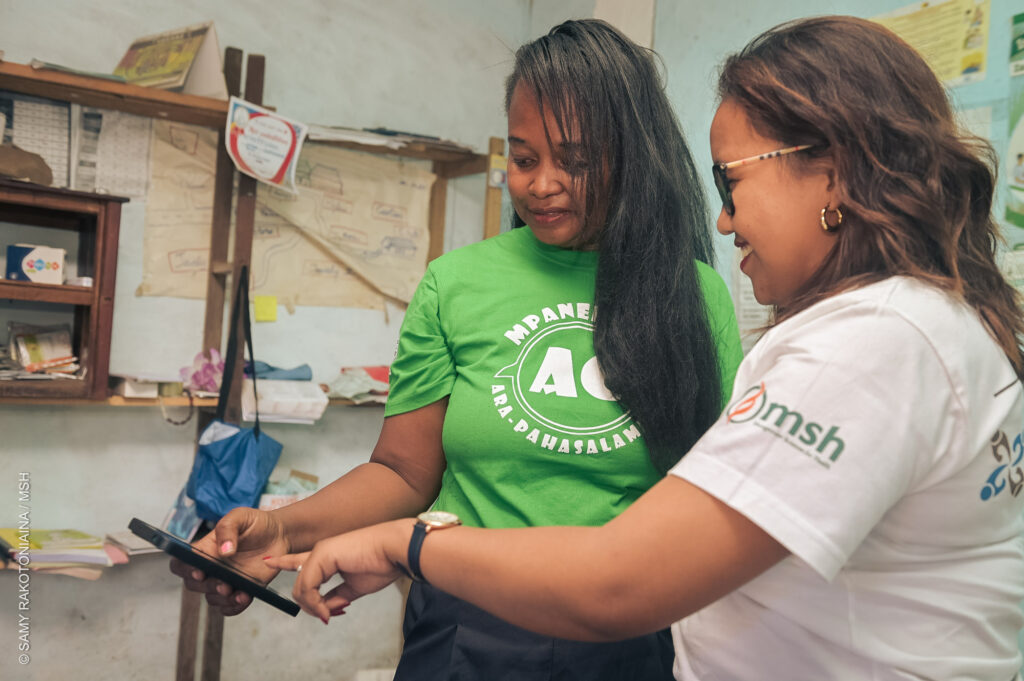
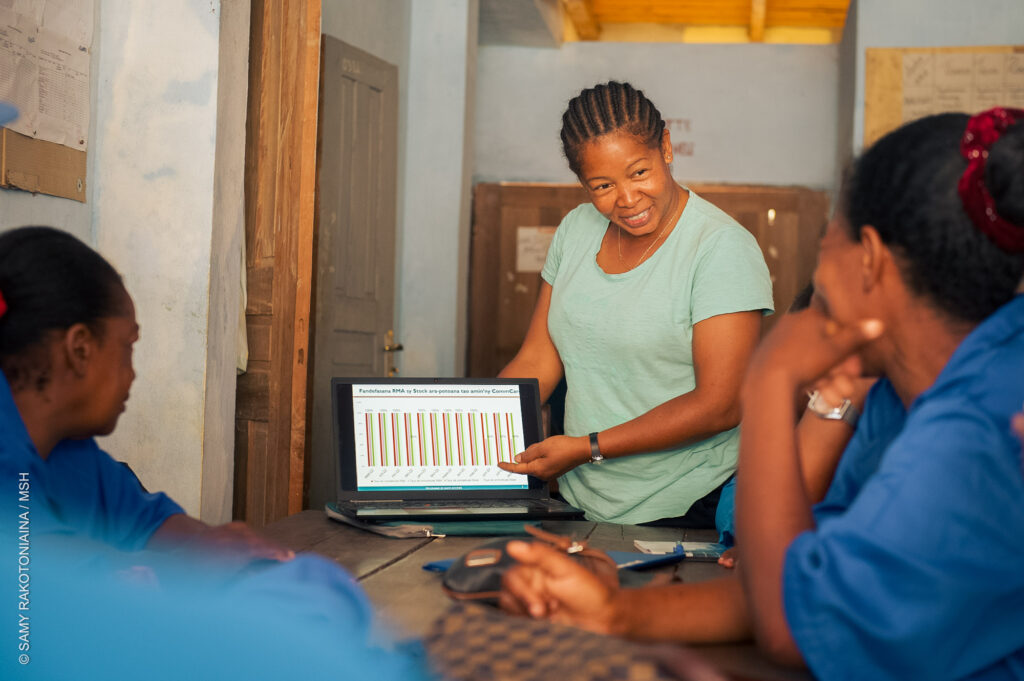
“CommCare makes it easy to monitor all community activities. It helps us meticulously document patient information, making it easier to follow up with individuals. From this data, we can develop action plans that may include awareness campaigns, targeted vaccination drives, or regular screening programs. Additionally, tracking CHV activity reports linked to the health center in CommCare is just a few clicks away. We sincerely hope that CommCare’s usage will be widespread across all communities in Madagascar.” —Mandimby Tanjoniaina Nirintsoa, Head of Vohindava Health Center, Vohipeno District, Fitovinany Region
“Community health volunteers follow the application’s step-by-step instructions, which help them provide appropriate treatment. The services these individuals provide have notably improved, especially for children and women.” —Dr. Jocelin Razafindrakoto, District Medical Inspector, Brickaville District, Atsinanana Region
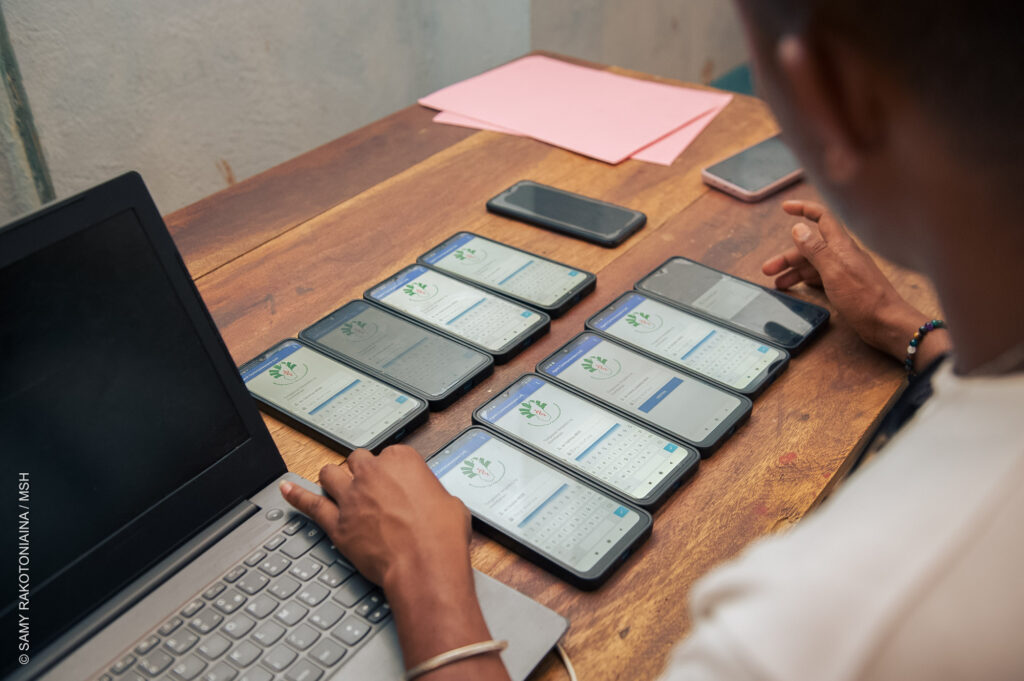
“CommCare was initially conceived to elevate care standards and streamline access to data for managing women and children under 5. Its versatility has allowed for content expansion, encompassing disease surveillance and early warning systems, including tracking COVID-19 and plague cases. Serving as a global benchmark for case management, it’s been feasible to include community health volunteers’ Monthly Activity Reports into the national health information management system, generating interactive dashboards for stakeholders to facilitate strategic and operational decision making.” —Fatou Sow, Project Manager, Dimagi
“Capacity-building workshops, server acquisition, and assistance for local hosting of the application and its data made government adoption possible.” —Stéphanie Ranaivo, USAID ACCESS