
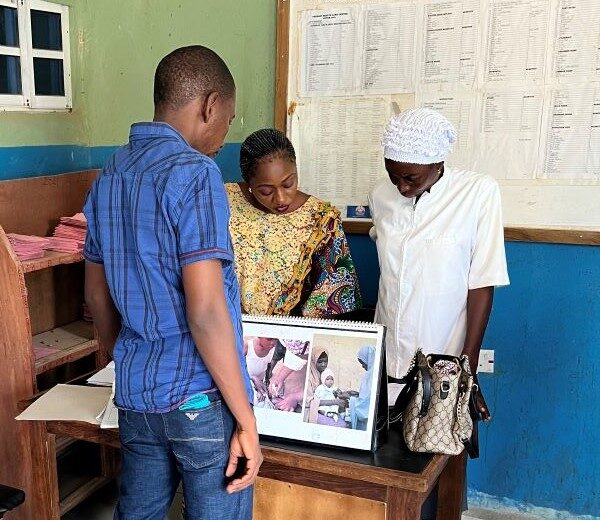
What does it take for a public health facility to efficiently test all individuals seeking care for suspected cases of malaria and ensure that those who test positive receive appropriate treatment with effective anti-malarial drugs? In Nigeria, particularly at the Osun State Specialist Hospital in Asubiaro, Osogbo, the answer involves overcoming substantial challenges while capitalizing on available opportunities.
Grappling with a monthly patient load of 7,000-8,000, this hospital exhibited suboptimal service quality due to non-adherence to national diagnosis and treatment guidelines for malaria. Those commonly overlooked guidelines mandate testing all patients with fever for malaria using rapid diagnostic test (RDT) kits or laboratory tests before initiating treatment.
Victoria Erinle, Senior Technical Manager at Management Sciences for Health (MSH), shares insights into the issue: “Patients presenting with fever are automatically assumed to have malaria. However, not all fever cases are malaria. Treating all fever cases as such could lead to misdiagnosis, leaving genuine ailments untreated and wasting valuable malaria drugs.”
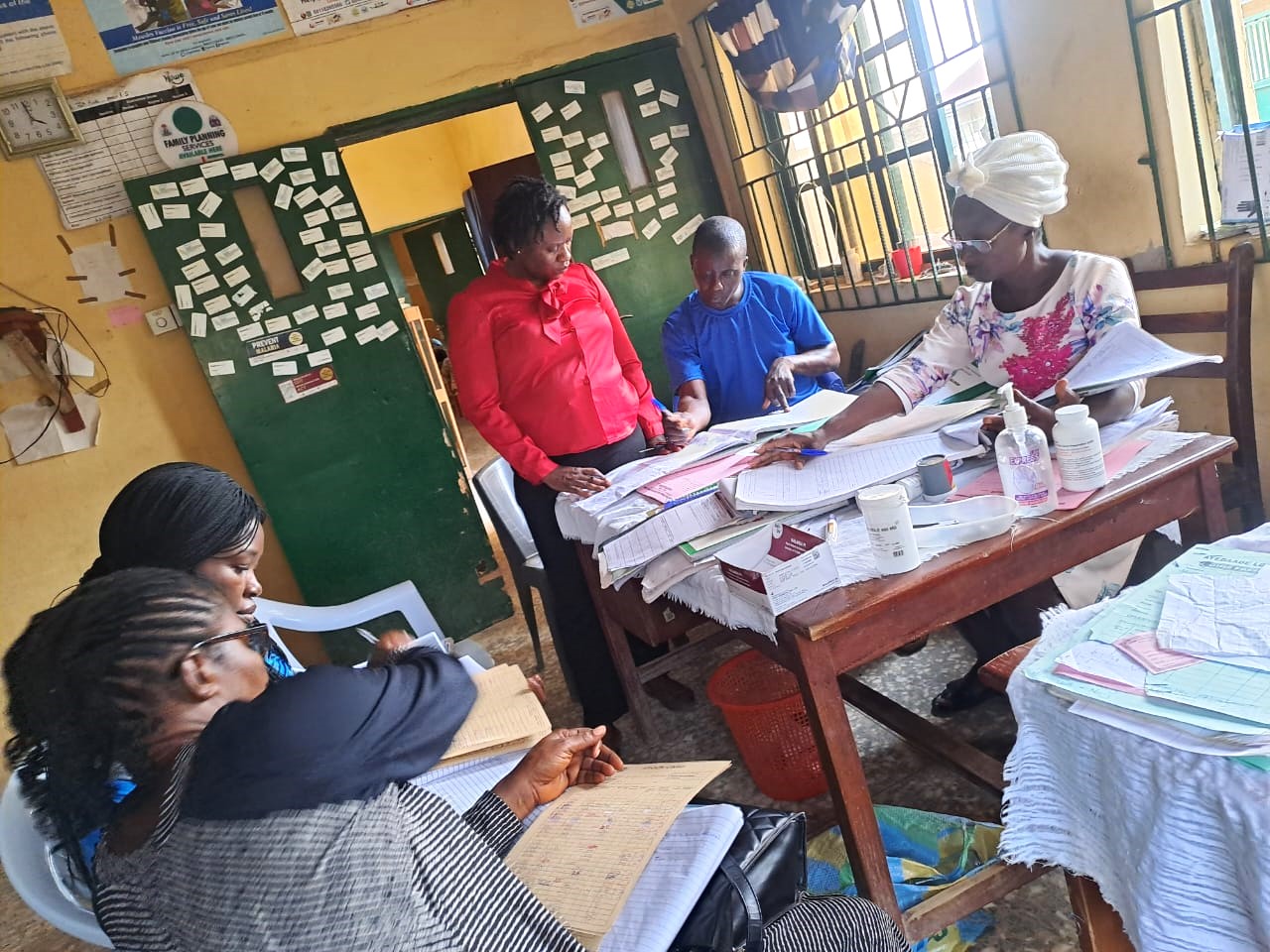
This lapse in adherence to treatment protocols created complications, including poor documentation of malaria medicines and patient case notes, resulting in a lack of oversight by hospital administration on malaria case management.
Recognizing the need for a local and sustainable solution, the MSH team in Osun State established the Malaria Core Team (MCT), comprising representatives from the Osun State Ministry of Health, the Osun State Primary Health Care Development Agency, the Osun State Hospital Management Board, and the Osun State Department of Pharmaceutical Services. This team was charged with conducting targeted health facility visits, identifying root causes of challenges, and providing timely resolutions to those challenges.
Babatunde Alaka, Assistant Director of Pharmacy and malaria focal person at the hospital, notes the previous lack of synergy: “There was no tangible synergy between the various departments involved in implementing [the] malaria program, resulting in massive discrepancies in data for malaria tests and treatments provided.”
To address this governance issue, the MCT strategically planned and executed regular meetings with officers from the antenatal, laboratory, and pharmacy departments. After six months, a point-of-care testing site was established, reducing patients’ waiting times, enabling prompt documentation of test results, and ensuring that only patients with positive results and doctors’ prescriptions could access malaria medicines at the pharmacy.
The results were significant improvements in accountability for malaria test kits and medicines, decreased turnaround time for patients to access malaria services, and enhanced overall patient care.
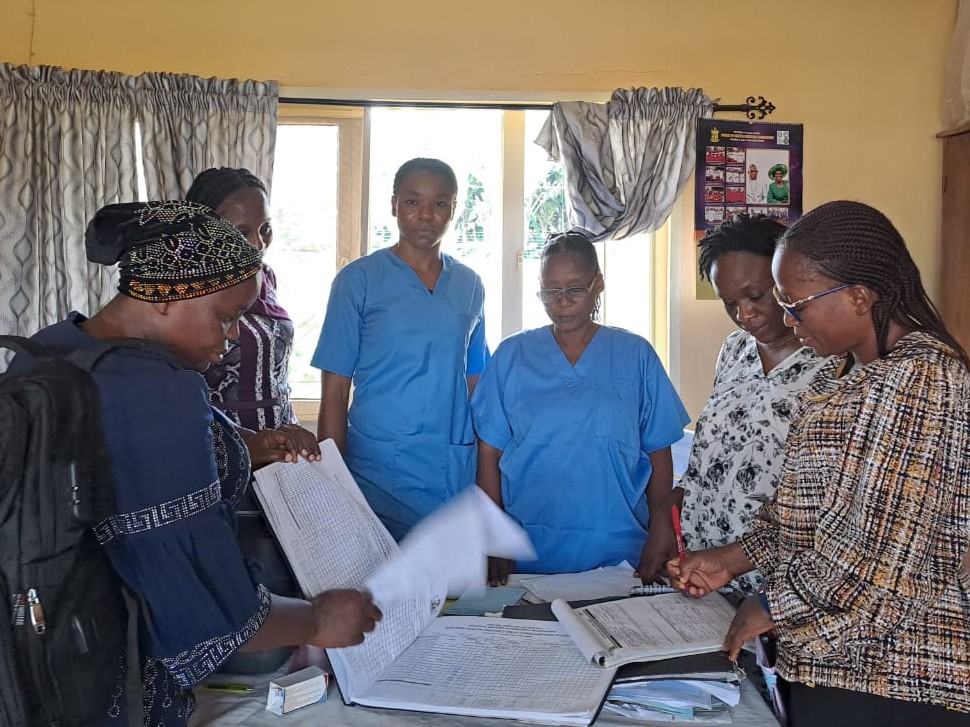
The MCT model has been successfully replicated across all six states in Nigeria where MSH supports malaria case management under the Global Fund Malaria Grant. Relying on existing local staff within state health systems, the model shows promising signs of sustainability and effectiveness over the long term.
The targeted supervisory visits conducted by the state MCT have yielded significant benefits for over 1,000 health facilities across the six implementing states. These MCT activities not only facilitated the transfer of skills but also enhanced the capacity of state government personnel in various aspects of planning state-level malaria program activities. This included selecting health facilities for supervisory visits, conducting health facility visits, identifying program challenges, problem-solving, and report writing.
Additionally, achievements in capacity building and skills transfer have been realized through the constitution of sub-MCTs in secondary and tertiary health facilities visited in some implementing states. These facility-based sub-MCTs, formed by state MCTs, include the hospital clinical directors or chief medical directors and the heads of the pharmacy, facility records, antenatal, and immunization units. Beyond facilitating monthly health facility-level data triangulation, these sub-MCTs are assigned responsibility for the early identification and resolution of challenges in health facility-based malaria program implementation.
For primary health centers, similar, albeit more informal, teams have been instituted. These teams focus on monthly health facility-level data triangulation and commodity accountability, aiming to enhance overall data quality, reporting, and accountability for malaria commodities. This dual-tiered approach underscores the comprehensive efforts to ensure effective program implementation and continuous improvement in malaria-related health care services across the Global Fund Malaria grant-implementing states.