MSH in Nigeria Helps Strengthen the Systems Behind a Sustainable Community Health Workforce
MSH in Nigeria Helps Strengthen the Systems Behind a Sustainable Community Health Workforce
Through long-standing collaboration with government and health workforce partners, MSH in Nigeria is helping strengthen the data, coordination, and local systems needed to expand and sustain community-based health workers.
Across Nigeria, community-based health workers are often the first and sometimes the only point of contact between families and the formal health system. They help connect pregnant women, children, older people, and people in remote or hard-to-reach communities to essential primary health care services. But expanding this workforce is not simply a matter of training more people. It requires the systems to know where health workers are, where they are needed most, how they are supported, and how they can be sustained over time.
For Management Sciences for Health in Nigeria, strengthening community health means investing in the systems that make frontline care possible: reliable workforce data, strong government coordination, capable local institutions, and partnerships that can continue beyond any single project cycle.
That approach is reflected through the Community Health Workforce Program (CHWP) in Nigeria, a Mastercard Foundation program implemented by MSH Nigeria. By 2028, the program aims to support the reskilling and upskilling of 44,000 community-based health workers across 17 states and the Federal Capital Territory while strengthening the foundations for a better planned, better coordinated, and more sustainable workforce.
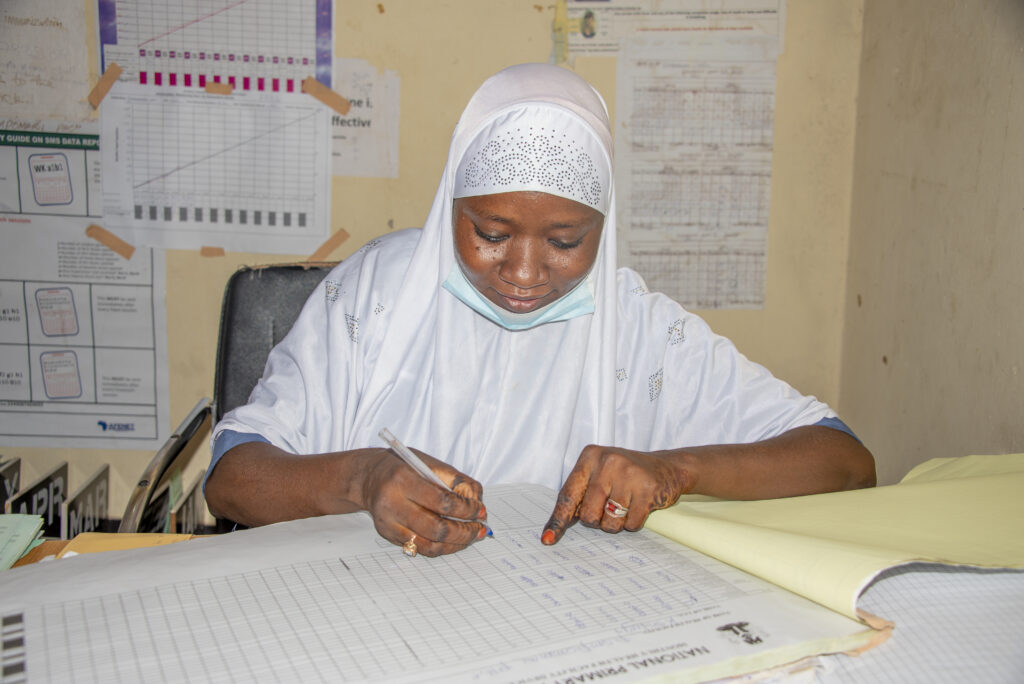
“For seven years, I have volunteered because I believe every child deserves a healthy start in life. All I need is an opportunity to grow, learn, and serve even more people.”
The Program’s early engagements with the National Primary Health Care Development Agency (NPHCDA), and the Community Health Practitioners Registration Board of Nigeria and the Association of Local Government of Nigeria helped align the work with the institutions responsible for primary health care leadership and community health workforce regulation. These relationships reflect a core principle of MSH’s approach: lasting improvements are strongest when they are nationally led, locally owned, and anchored in existing systems.
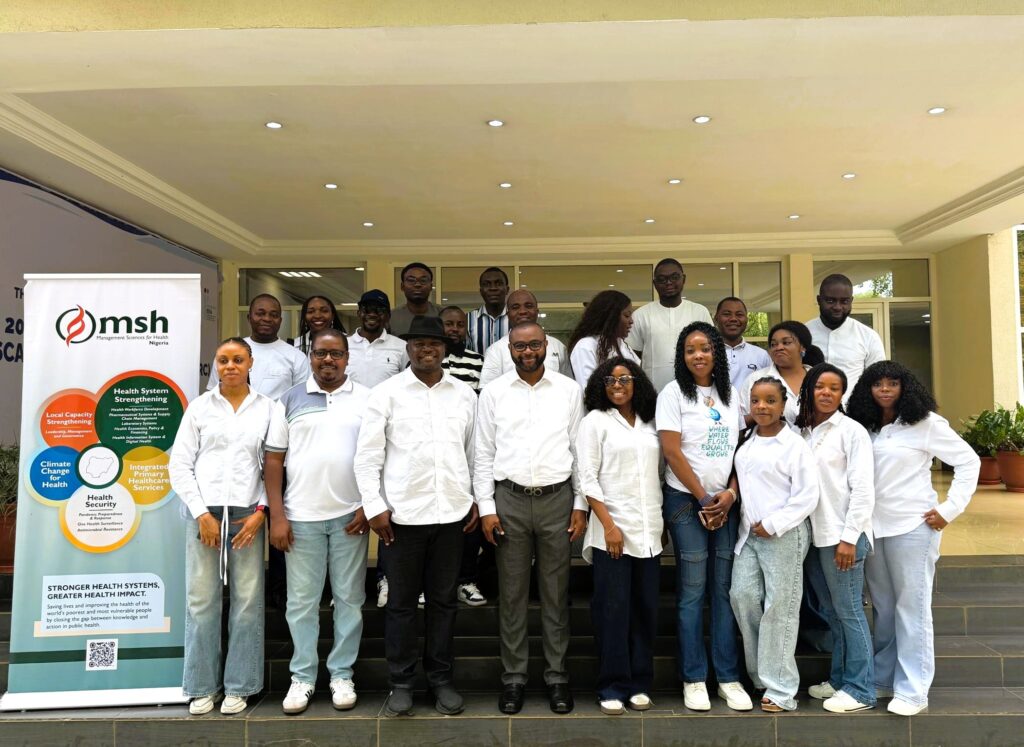
Within CHWP, MSH Nigeria teams translated that systems vision into a shared implementation approach, bringing together technical, operations, finance, MERL, safeguarding, communications, compliance, human resources, and support staff. The planning reinforced a central goal: to help create dignified and meaningful opportunities for young community-based health workers while strengthening the institutions that make those opportunities sustainable.
One priority is strengthening Local Government Health Authorities so they can support ongoing community health workforce planning, deployment, and management. By focusing on local government capacity, MSH Nigeria is helping position workforce expansion not as a stand-alone project activity, but as a function that can be led and sustained within Nigeria’s health system.
Putting people at the center

The systems MSH Nigeria is helping strengthen are ultimately about people: the health workers who serve communities and the families who depend on them. At the induction of 974 newly certified Community Health Officers organized by the Community Health Practitioners Registration Board of Nigeria, the promise of a growing workforce was clear. Graduates from teaching hospitals across the country joined the pool of health workers who can help close gaps in access to care, particularly in hard-to-reach areas.
For that workforce to have lasting impact, health workers must be deployed equitably, supported effectively, and connected to systems that value and retain them.
Grounding implementation in state and local priorities
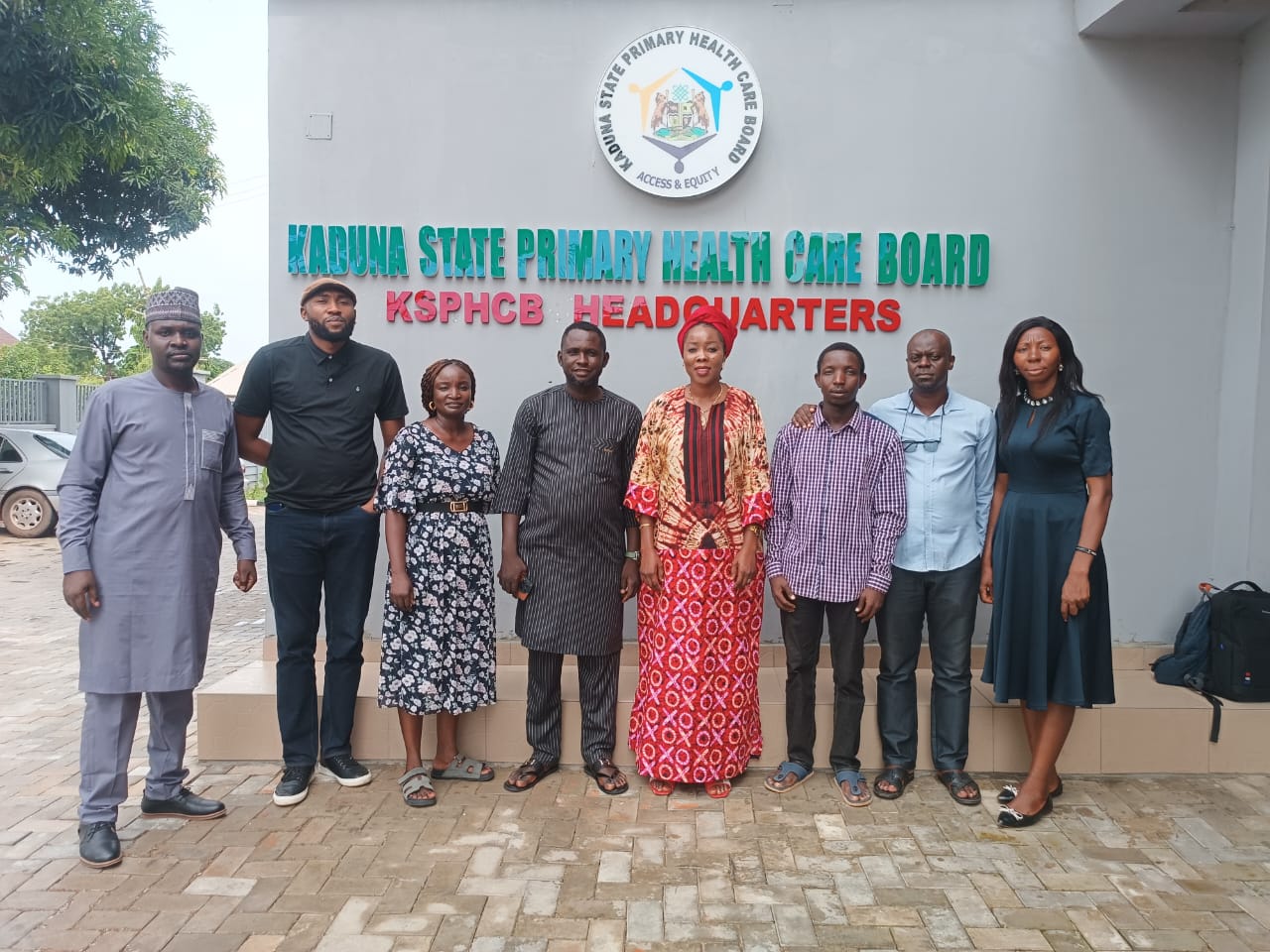
In the Federal Capital Territory, Kaduna, Borno, Niger, Yobe, and Katsina, MSH Nigeria has convened state entry meetings with government stakeholders, primary health care institutions, and development partners to discuss priorities and strengthen collaboration. These engagements help ensure that implementation reflects local health needs and government priorities.
Rapid assessments across selected Local Government Areas are also helping identify strengths, gaps, and opportunities in the community health landscape. The findings will establish a baseline for measuring progress and guide interventions that are practical, locally relevant, and responsive to community realities.
This evidence-driven approach is essential to sustainability. It helps move workforce planning from assumptions to data, and from one-size-fits-all interventions to solutions that reflect the realities of local communities.
As this work advances, MSH Nigeria is supporting the country to lead, manage, and sustain its community health workforce agenda. For communities facing barriers to care, that means a stronger connection to the health system. For young Nigerians entering the workforce, it means more meaningful opportunities to serve. And for Nigeria’s primary health care system, it means a stronger foundation for equitable access to quality care.
Using data to make the workforce visible
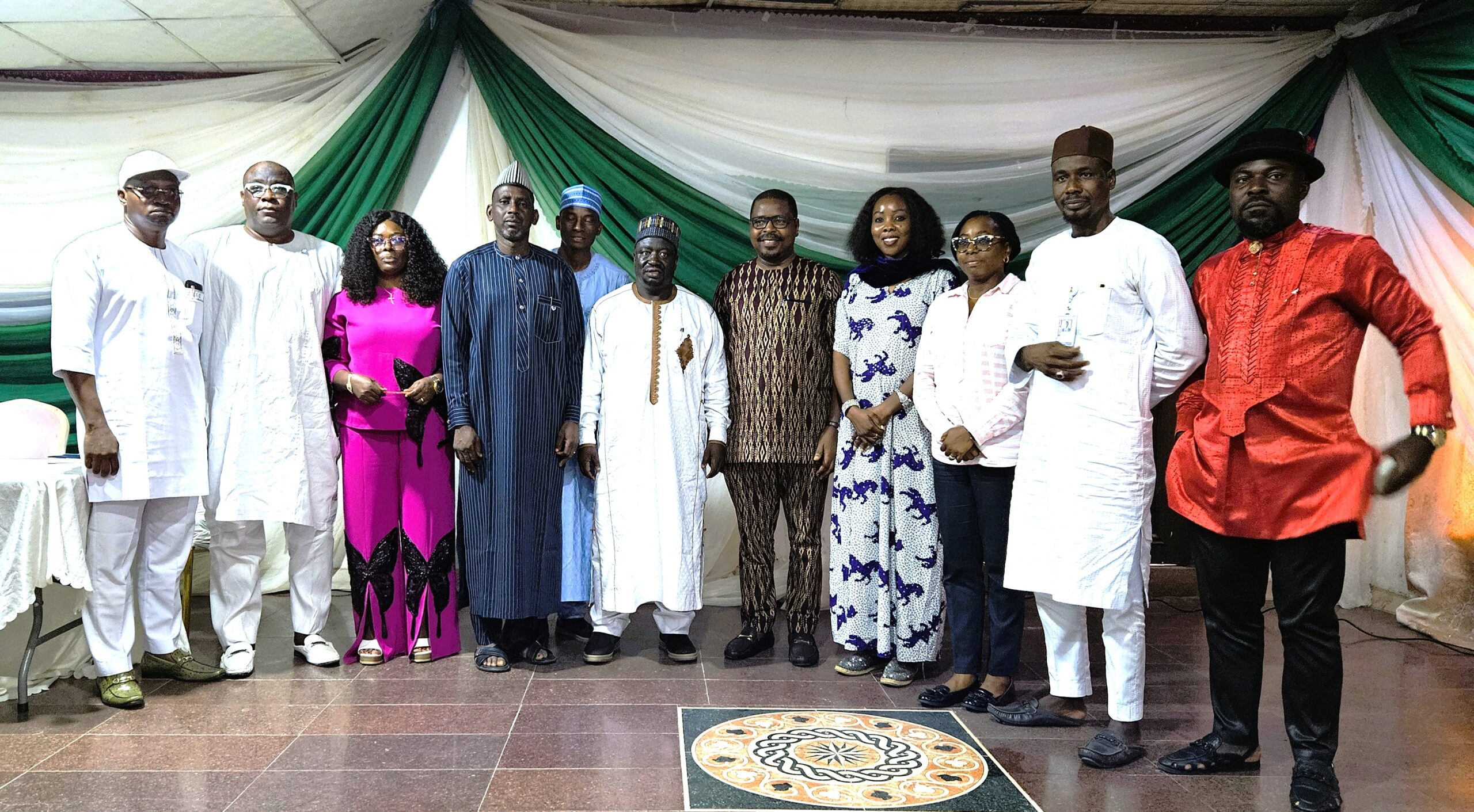
Reliable data is another foundation for sustainability. MSH Nigeria is working with the Community Health Practitioners Registration Board of Nigeria and the Association of Community Health Practitioners of Nigeria to support an updated electronic registry of community-based health workers.
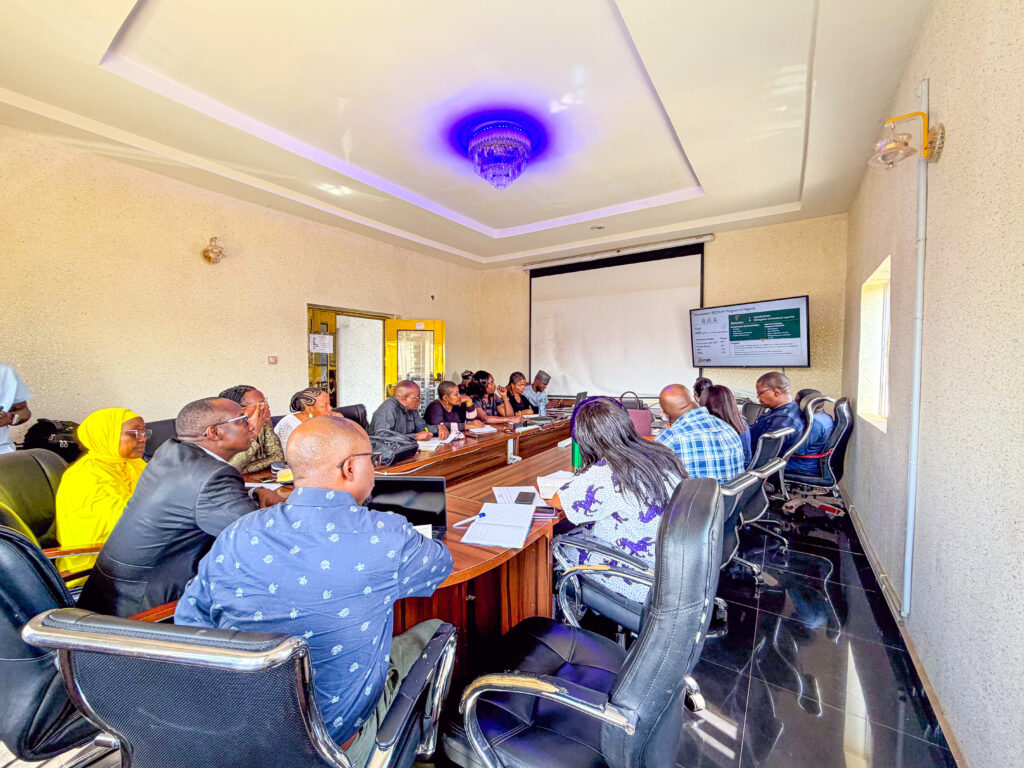
At a sensitization and capacity-building workshop on CHPRBN’s online integrated systems, the team presented a Kobo-based survey tool to help profile community health workers across Nigeria’s 36 states. The data will support a comprehensive workforce database and help decision-makers better understand who is available, where workers are located, what training they have received, and where additional support is needed.
Creating platforms for coordination and sustainability
MSH Nigeria’s participation in the National Human Resources for Health Technical Working Group further reflects its role in strengthening workforce planning and coordination. At the meeting, the group approved the request for a national coordination platform for partners supporting the Community-Based Health Worker Programme, to be created as a subcommittee of the National HRH Technical Working Group.
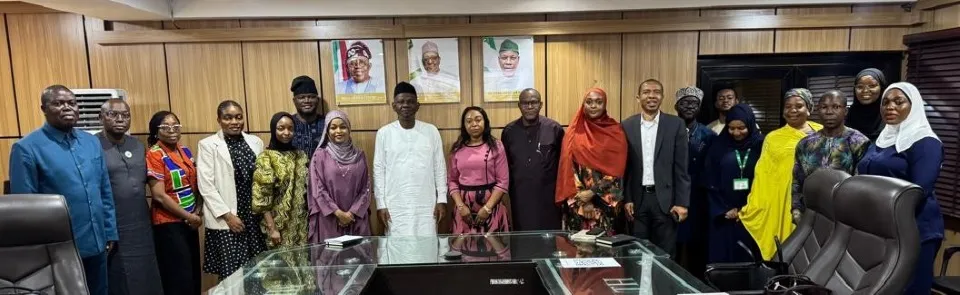
MSH Nigeria was also appointed to a task team to analyze and harmonize existing health workforce databases across the country. The work will help develop a more complete profile of Nigeria’s health workforce and generate insights for policy, investment, and strategic decision-making.
Together, these efforts show how MSH Nigeria is helping strengthen not only community health workforce activities, but the national and local systems that allow those efforts to add up to lasting change.
A stronger backbone for community health
Through CHWP and its broader collaboration with government and partners, MSH Nigeria is helping build the backbone of a sustainable community health workforce: strong partnerships, reliable data, coordinated planning, and local government capacity. These are the systems that can help ensure community-based health workers are not only trained, but effectively deployed, supported, supervised, and retained.
As this work advances, MSH Nigeria is supporting the country to lead, manage, and sustain its community health workforce agenda. For communities facing barriers to care, that means a stronger connection to the health system. For young Nigerians entering the workforce, it means more meaningful opportunities to serve. And for Nigeria’s primary health care system, it means a stronger foundation for equitable access to quality care.