
Delivering Lifesaving Medicines in Conflict: Strengthening Supply Chains in Ethiopia
Delivering Lifesaving Medicines in Conflict: Strengthening Supply Chains in Ethiopia
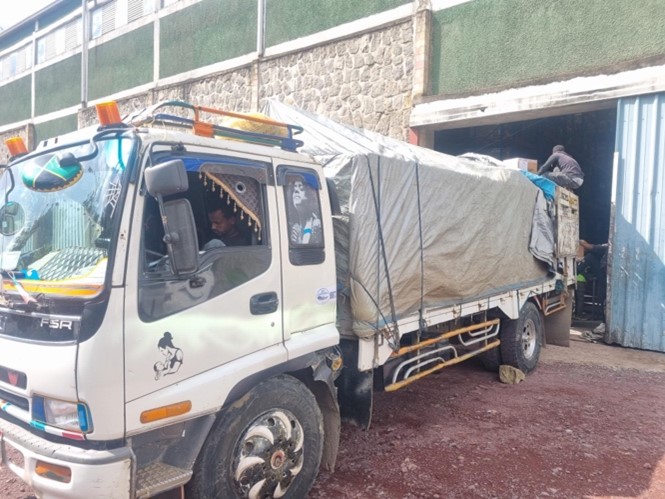
Between October and December 2025, the U.S. Government-funded Supply Chain Strengthening (SCS) Project, working closely with the Ethiopian Pharmaceutical Supply Service (EPSS), Regional Health Bureaus (RHBs), and humanitarian partners including the World Food Program (WFP), delivered $8.7 million worth of health commodities to conflict-affected areas in Amhara, Oromia, and Benishangul Gumuz.
These deliveries reached 978 health facilities and woreda health offices, helping sustain critical services across HIV, tuberculosis, malaria, immunization, and maternal, neonatal, and child health.
As a result, the strengthened supply chain is expected to enable:
- Over 111,500 patient-months of antiretroviral therapy for people living with HIV
- HIV testing for more than 125,000 individuals
- Full treatment for nearly 3,900 TB patients
- Antimalarial treatment for more than 799,000 adults and children
- Iron–folic acid supplementation for over 107,000 pregnant women
- Treatment for more than 180,000 children with diarrhea
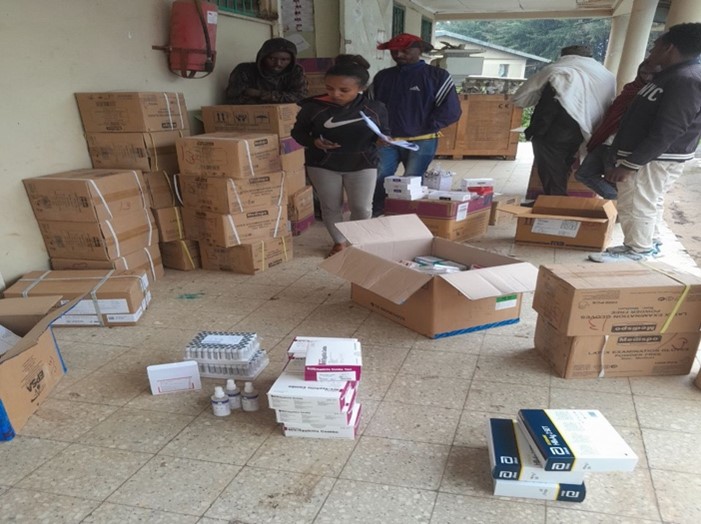
Beyond the numbers, these efforts reflect a broader impact: maintaining continuity of care in areas facing insecurity and service disruption, and reinforcing the resilience of Ethiopia’s health system.
“In areas where roads were blocked and government vehicles were targeted, the SCS Project mobilized private transporters who could navigate the volatile environment,” said Mr. Chanie Admasie, Pharmaceutical Supply Officer at the Amhara RHB. “These deliveries went far beyond moving trucks and boxes—they restored hope and saved lives in communities struggling to survive. Supply chains are lifelines, and the people who keep them running are heroes.”
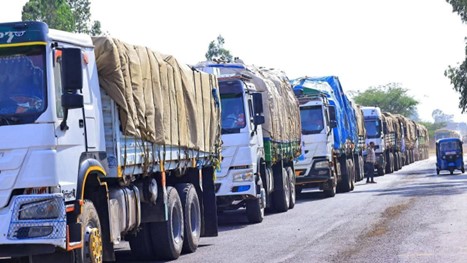
To further stabilize access in hard-to-reach areas, the SCS Project also supported the long-haul transport of an additional $6.8 million in medicines from central warehouses in Addis Ababa to regional hubs in Bahir Dar and Gondar. A coordinated fleet of 25 trucks—operated by SCS and partners through the WFP-led Logistics Cluster—ensured these supplies reached areas where they were needed most.
These deliveries went far beyond moving trucks and boxes—they restored hope and saved lives in communities struggling to survive. Supply chains are lifelines, and the people who keep them running are heroes.
Mr. Chanie Admasie, Pharmaceutical Supply Officer at the Amhara RHB
Together, these efforts demonstrate how resilient, well-coordinated supply chains can deliver more than commodities—they sustain access to care, support frontline health workers, and help protect communities in times of crisis.