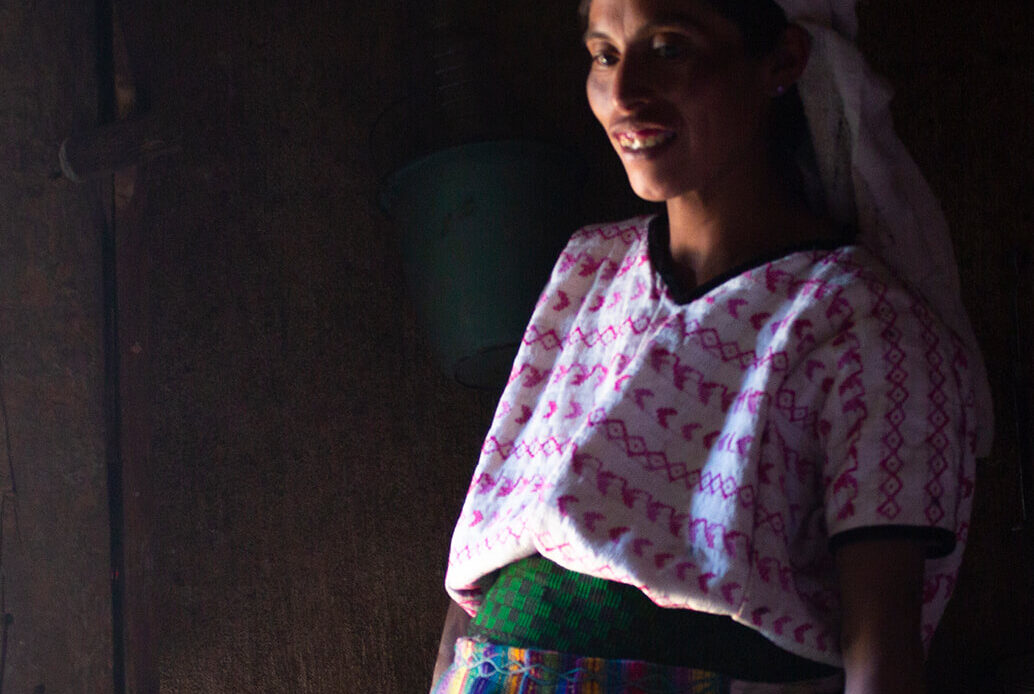
Utz' Na'n: Healthy Mothers and Babies in Guatemala

Connecting Indigenous women and families with respectful care, from pregnancy through a child’s first two years.

Healthy beginnings depend on care that women can reach, trust, and help shape.

Through Healthy Mothers and Babies in Guatemala, known locally as Utz’ Na’n, MSH works with government, local organizations, and communities to strengthen maternal and newborn care for Indigenous women and adolescents. The project connects community knowledge with clinical care, helping women access services that respect their language, culture, and needs.

Working across Quetzaltenango, San Marcos, Sololá, and Totonicapán, Utz’ Na’n supports the Ministry of Public Health and Social Assistance to improve care during pregnancy and after birth, while integrating nutrition and family support throughout the first 1,000 days—from pregnancy through a child’s second birthday.

Building on MSH’s maternal health work in Guatemala since 2019, the project brings together providers, traditional midwives, and families to address barriers to care. It demonstrates how MSH helps translate health priorities into practice: strengthening provider skills, improving the use of data, and building lasting connections between communities and health services.

The Foundation of a Healthy Life

Better care begins with stronger connections—between women and providers, communities and health facilities, and information and action. Utz’ Na’n strengthens these connections so that services respond to women’s needs throughout pregnancy, after birth, and during their children’s early development.
Improve-quality-of-care alt

Improve quality of care

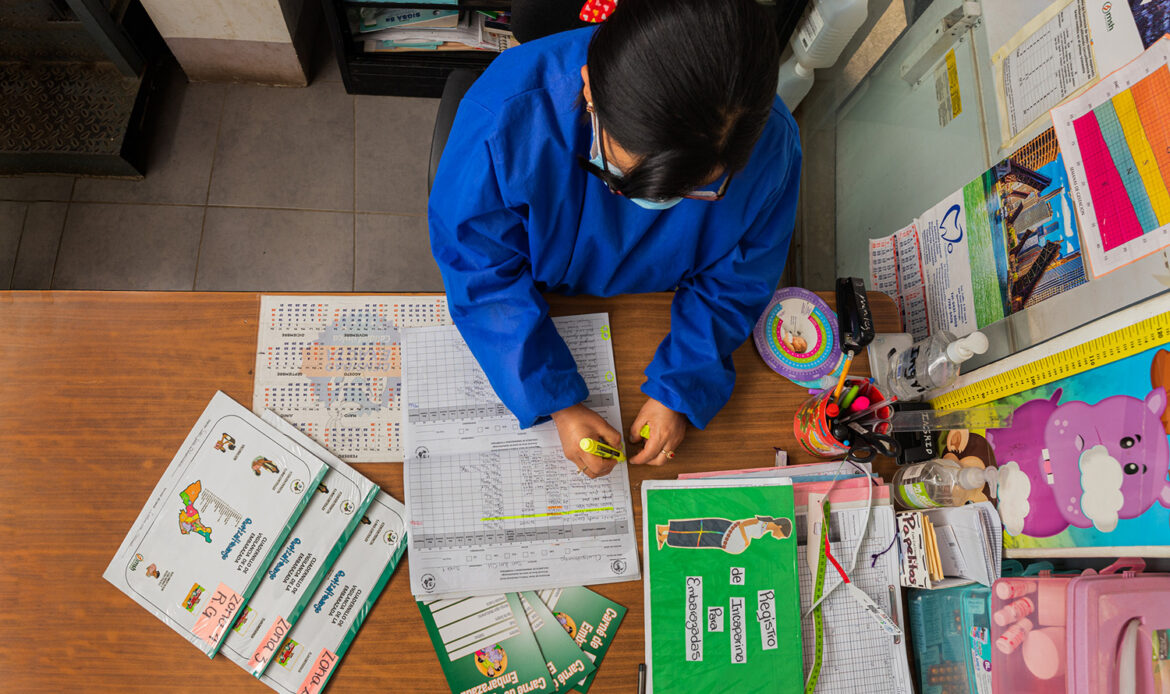
We help health teams use data to identify gaps, track women’s care throughout pregnancy, and strengthen records and follow-up, supporting more timely, consistent services.
Focus-on-nutrition alt

Put nutrition at the center

We integrate maternal and child nutrition into care during the first 1,000 days, helping families make informed decisions about breastfeeding, complementary feeding, and healthy practices at home.
Respectful,-person-centered-care alt

Make care respectful and responsive

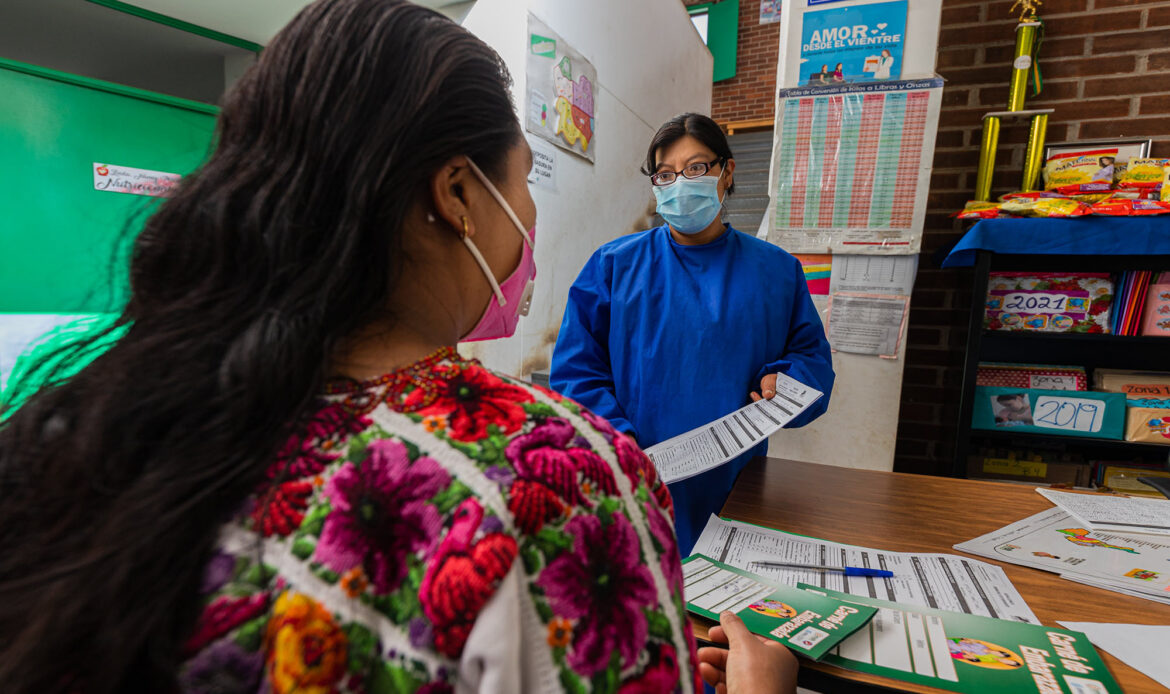
We strengthen providers’ skills in culturally respectful, person-centered care, helping services better respond to Indigenous women’s and adolescents’ needs, preferences, and experiences.
Support-comadronas alt

Strengthen the role of comadronas

We support traditional midwives’ maternal and newborn care knowledge and strengthen their connections with health facilities, recognizing their trusted role in helping women seek care.
Utz’ Na’n’s approach

Bringing women together for better care

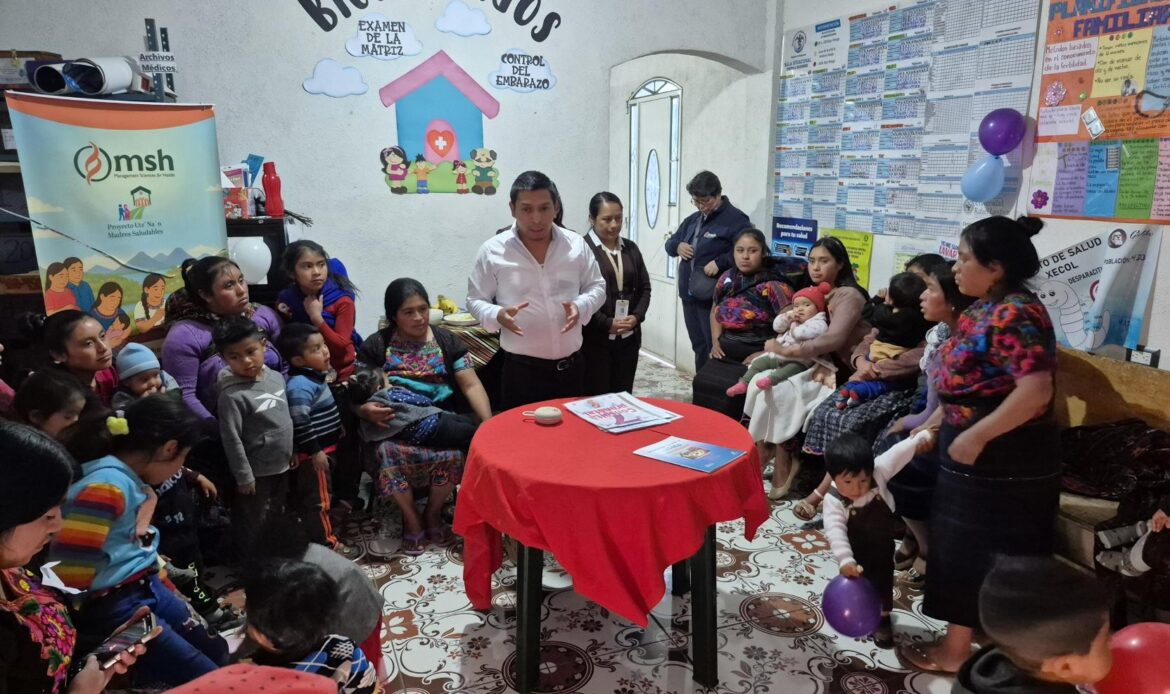
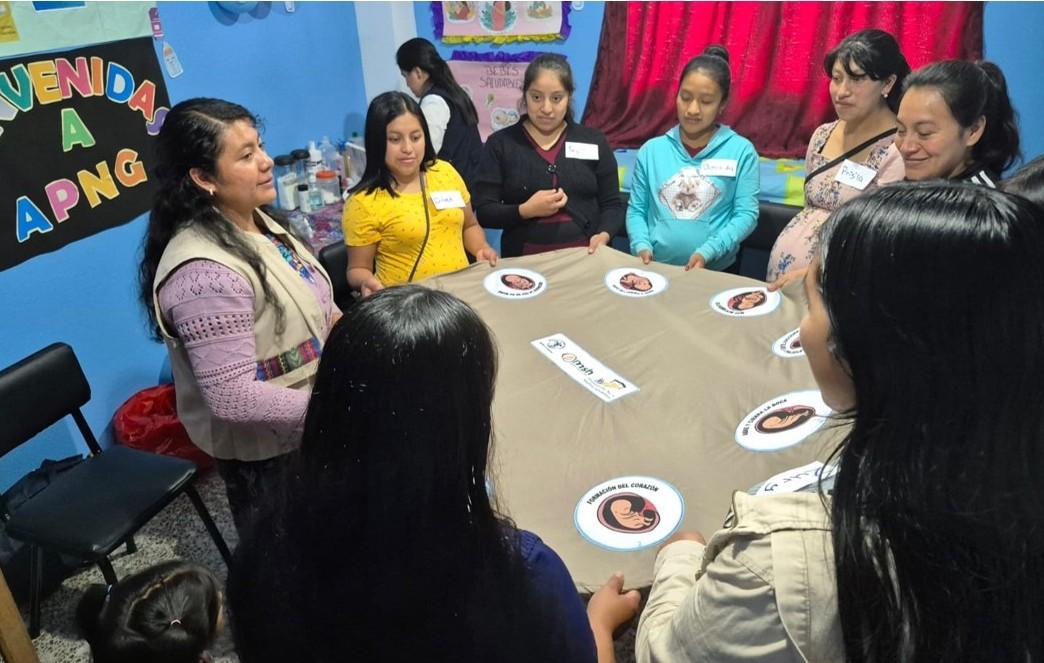
Utz’ Na’n introduced a group antenatal care model that brings pregnant women, comadronas, and health providers together for learning, dialogue, and peer support. These groups create space for women to ask questions, share experiences, and prepare for pregnancy, childbirth, and the postnatal period. By addressing barriers with communities and providers, the project supports women to begin care earlier and attend regularly.
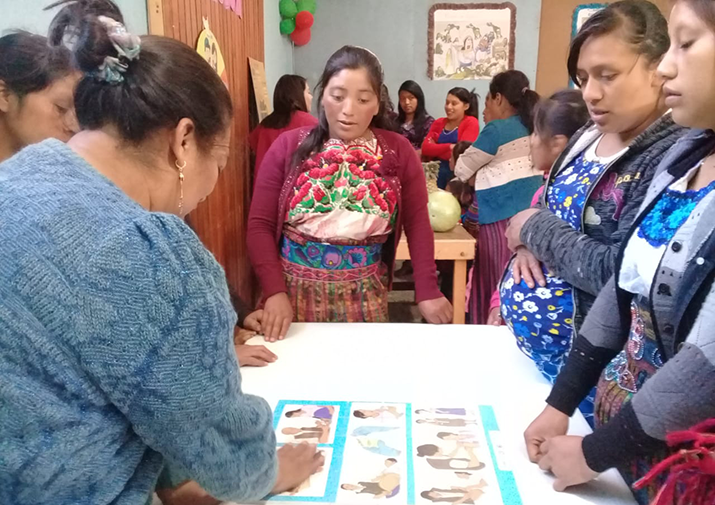
Extending support through first 1,000 days

Healthy Mothers Groups build on group antenatal care to support women after birth, with a particular focus on preventing malnutrition. Mothers explore breastfeeding, child feeding, healthy homes, family planning, and mental health while building relationships with other women and local health teams. This approach connects maternal care with the everyday decisions that shape a child’s healthy development.
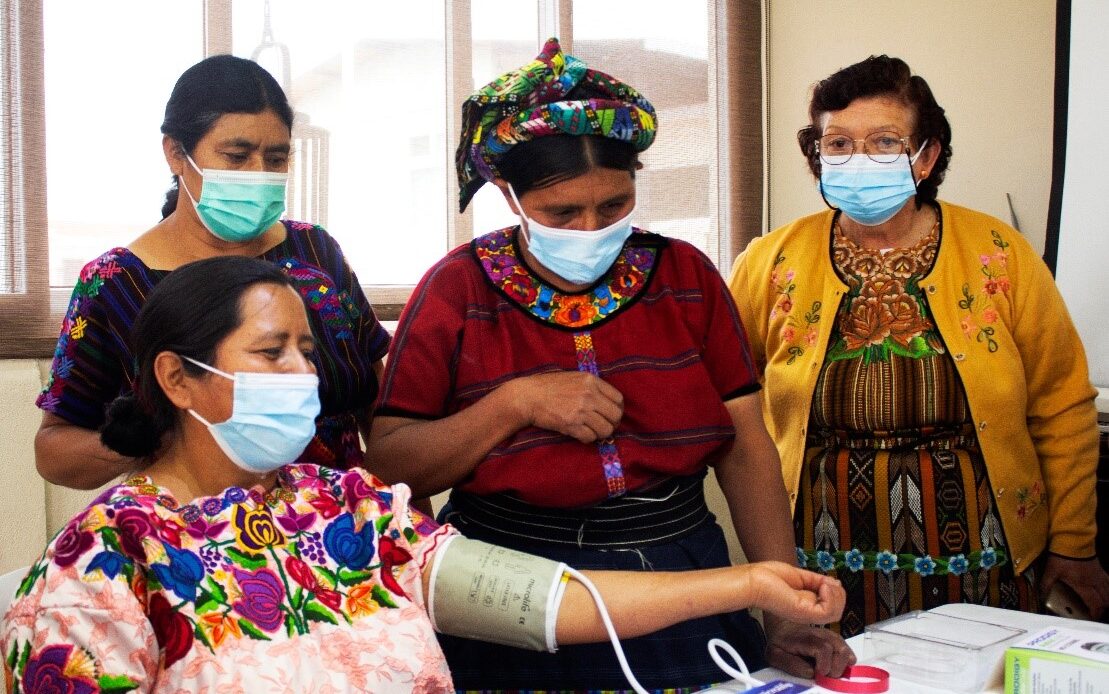
Connecting community trust with health services

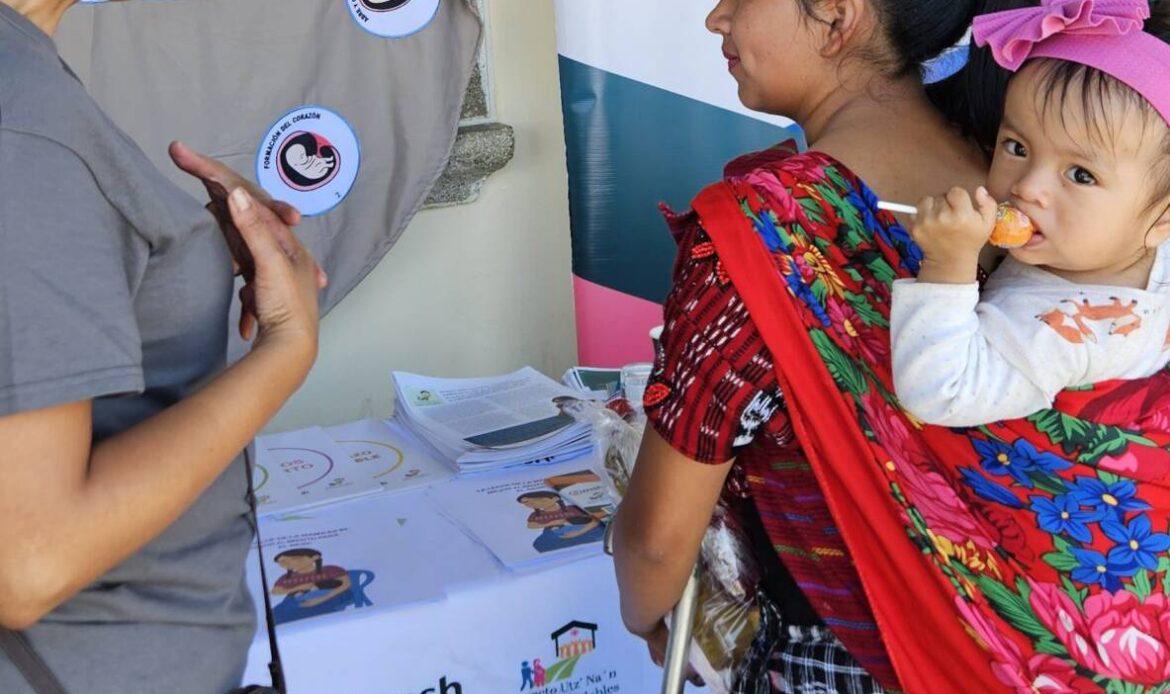
Comadronas are an essential link between families and the health system. Utz’ Na’n strengthens their relationships with facility-based providers to support referrals when women need additional care. Through participatory community dialogues, women, families, local leaders, and health workers also identify barriers and develop solutions together—making local experience central to improving services.
Testimonials

MSH knows the problems on the ground and they offer informed advice. They’re very much “on the ground” and they’re listening and seeing what the issues are.

Donors & Partners

Donor

Margaret A. Cargill Philanthropies

Partner(s)

  • Ministry of Public Health and Social Assistance
  • Asociación PIES de Occidente (PIES)
  • Observatory for Sexual and Reproductive Health (OSAR)
  • Vivamos Mejor