Supporting Mothers Through the First 1,000 Days in Guatemala: A Conversation with Maude Lausana Tzapin, Nutrition Advisor for MSH’s Utz’ Na’n project
Supporting Mothers Through the First 1,000 Days in Guatemala: A Conversation with Maude Lausana Tzapin, Nutrition Advisor for MSH’s Utz’ Na’n project
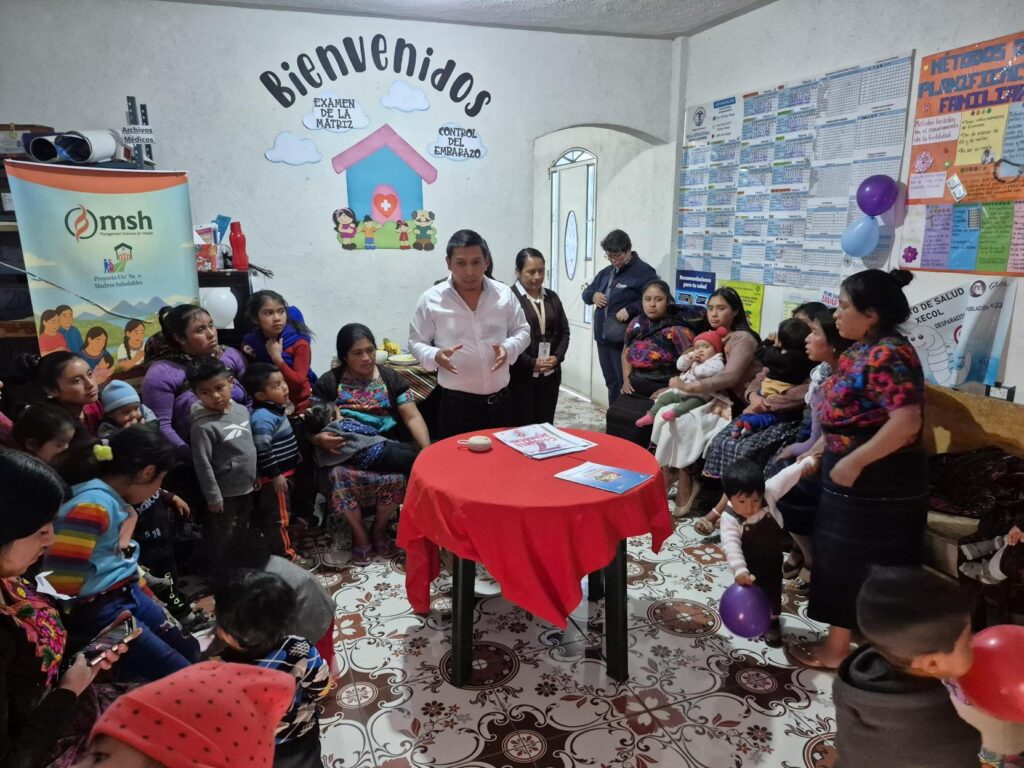
In Guatemala’s Western Highlands, Indigenous women face significantly higher risks during pregnancy and childbirth, shaped by poverty, cultural and linguistic barriers, discrimination, and limited access to quality care.
Through the Healthy Mothers and Babies in Guatemala project, known locally as Utz’ Na’n, Management Sciences for Health (MSH) partners with the Ministry of Public Health and Social Assistance (MSPAS) and local communities to strengthen maternal and child health services and expand culturally responsive care.
A key element of this work is a group-based model of care, where mothers meet regularly with health workers and traditional birth attendants, or comadronas, to learn, ask questions, and support one another through pregnancy and early childhood. The approach is now expanding to support families through the first 1,000 days—from pregnancy through a child’s second birthday- a critical window for a child’s growth and development—with a special focus on nutrition.
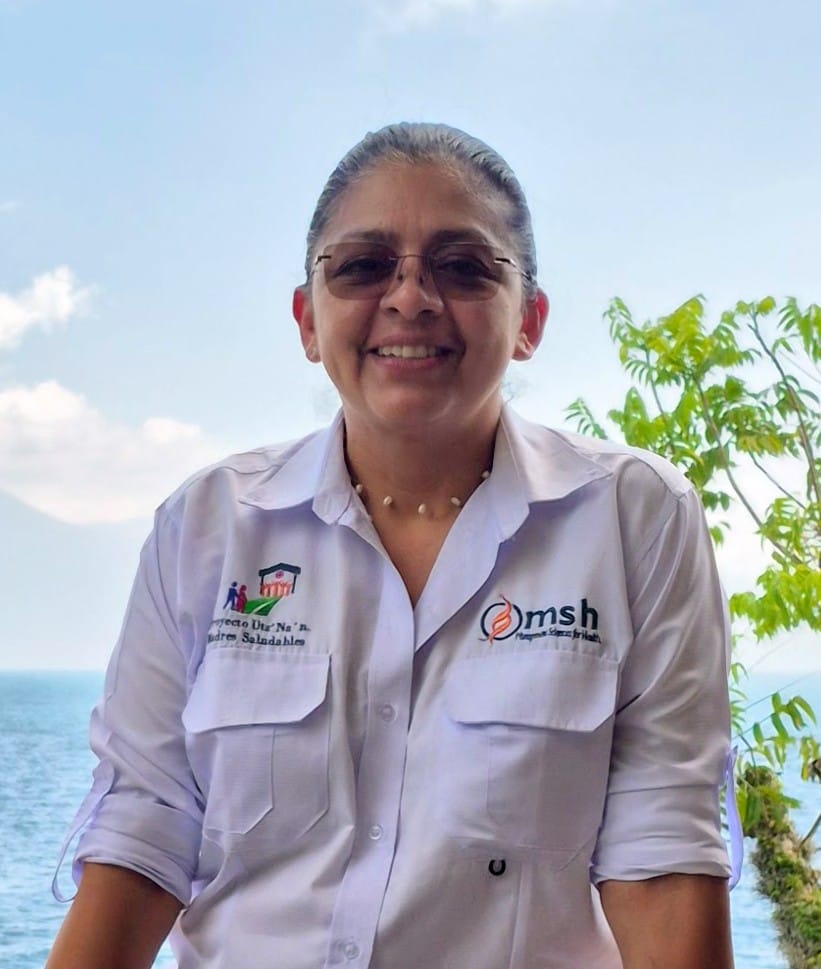
We spoke with Maude Lausana Tzapin, a licensed nutritionist who serves as the nutrition advisor for MSH on the Utz’ Na’n project, about what she sees in communities and what it takes to support mothers and babies during this critical period.
Why is continuity between antenatal care groups and healthy mothers groups so important?
The mothers who come from the antenatal care group already trust the methodology. They know how the sessions work and feel comfortable sharing their experiences. That confidence spreads through the group.
I remember meeting a woman in the community of Xecol in Cajolá who participated in the antenatal care group sessions. At the very first meeting of the healthy mothers’ nutrition group which she attended after having her baby, she shared that what she had learned about newborn danger signs in the antenatal care group saved her son’s life.
Her baby developed difficulty breathing, and because she recognized the symptoms, she took him to the hospital immediately. He was hospitalized for a week, but he survived.
When she shared that story, you could see other mothers listening differently. She became what I would call a “model mother.” Someone who has been through the process and brings that experience back into the community.
Other mothers see what helped her and want the same. That ripple effect is what lasting behavior change looks like.
How does the group care model work in Guatemala?
The group antenatal care model was first developed and tested by MSH in Uganda and Kenya, where it significantly increased the number of women completing four or more antenatal visits.
Within five months, participation in group antenatal care sessions had increased by 250%. The results were strong enough that MSPAS incorporated the methodology into Guatemala’s revised national integrated health care norms for 2023–2028.
In Guatemala, we worked with MSPAS to adapt the approach for the Western Highlands. The sessions include traditional comadronas and incorporate counseling on nutrition and newborn care in addition to sessions on how to have a safe and healthy pregnancy. Within five months, participation in group antenatal care sessions had increased by 250%. The results were strong enough that MSPAS incorporated the methodology into Guatemala’s revised national integrated health care norms for 2023–2028.
The sessions create a space for mothers to ask questions, share experiences, and learn from each other. And critically, they align with what the Ministry of Health is already working toward.
We are not introducing something separate from the system; we are giving health workers a tool to do their jobs better.
How is the model now supporting mothers through the first 1,000 days?
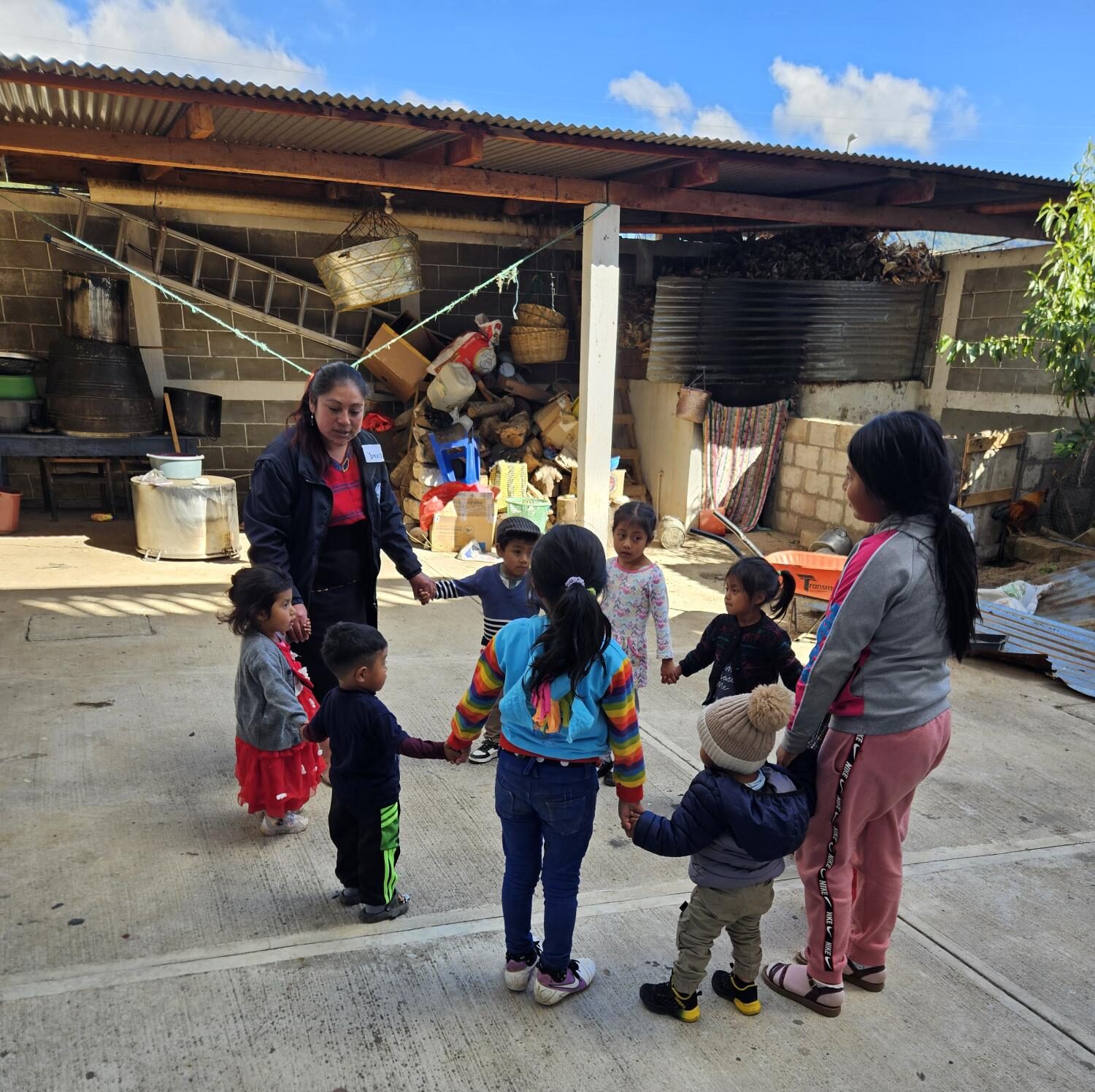
The 1,000-day window—from pregnancy through a child’s second birthday—is a critical time for a child’s development. Guatemala has prioritized this period nationally for many years.
The antenatal care groups cover pregnancy. Now, with healthy mothers groups, we are extending the same group-based methodology into the postnatal period for mothers and children under two years old.
The structure is similar, but the topics evolve. Mothers learn about breastfeeding, complementary feeding, nutrition, family planning, water and sanitation in the home, and maternal mental health. One of the strengths of the approach is continuity. Mothers who participated in antenatal care groups already know the methodology and trust it.
We are also learning and adapting. Because young children attend the sessions, staff now organize separate spaces with music and games so mothers can focus. It’s a small detail, but it makes a big difference.
What do you see in the communities where you work?
In many communities, women still need permission just to visit a health facility, from their husband, or sometimes their mother-in-law. And in the most remote areas, many women speak only their native language, not Spanish, which can make a health facility feel inaccessible, even unwelcoming.
Food insecurity is also a major challenge. Climate changes—delayed rains, flooding, and even frost—can disrupt planting cycles. But beyond having land to plant, families often need support in understanding which foods are most important for mothers and young children and how to prepare them well with limited resources.
When I visit the groups, I like to arrive early. The first step of the methodology is creating a welcoming environment, so I often help the staff prepare the space. Then I observe the session led by the local facilitators that we have trained as part of the Utz’ Na’n project, and afterward we reflect together: how did it go, how did the mothers respond, what can we strengthen.
What I see most is willingness. From the health workers, from departmental coordinators, and from the mothers themselves. People saw how much the methodology helped pregnant women, and they want to continue it with this new group.
What do you hope this approach can achieve as it grows?
What I hope is that what we are piloting now becomes part of how care is delivered across Guatemala. Every mother, in every community, should have access to this kind of support during the first 1,000 days—from pregnancy to early childhood.
What motivates me most is hearing mothers say, “I can see the difference between my child before and my child now.”
That is the goal. Not just knowledge, but real, lasting change for mothers and babies.
What I hope is that what we are piloting now becomes part of how care is delivered across Guatemala. Every mother, in every community, should have access to this kind of support during the first 1,000 days—from pregnancy to early childhood.
Maude Lausana Tzapin