
Sustaining a Lifeline in Times of War
Limited access to medicines and care can be detrimental for those living with chronic diseases who rely on medication to stabilize and control their conditions. To help prevent disruptions in access to lifesaving and other essential medications during the war, SAFEMed stepped in to provide expanded support to the NHSU to ensure the AMP continues to operate. This includes bolstering the NHSU information technology department, providing legal support in drafting regulations needed to adapt to martial law, and developing patient education videos about accessing prescriptions through the AMP amid conflict. SAFEMed has also helped ensure that the requirements of the AMP are adjusted to take wartime challenges into account, especially for those in recently occupied territories. For example, the program began allowing paper-based prescriptions and giving internally displaced patients the ability to receive medications without a new prescription. The commitment of the NHSU and SAFEMed to adapt to the country’s ever-changing needs has allowed the program to not only expand access to medicines but become a vital wartime resource.
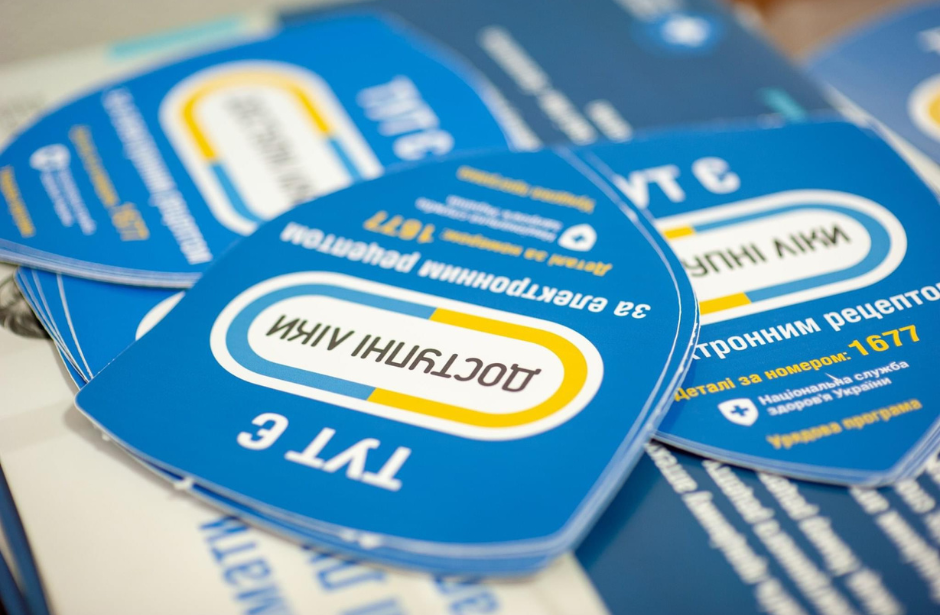
In 2023, SAFEMed conducted a study to assess the level of user satisfaction among patients, doctors, and pharmacists utilizing the AMP, incorporating both qualitative and quantitative methods to gather research. Nearly 80% of patients involved in the survey and/or interview process of the study stated that their treatment costs have been reduced. This, in turn, has encouraged more patients to seek out medical care from health care professionals. The AMP “helps reduce self-medication among people,” one patient shared. “If people know that they can get medicines at little to no cost, they would rather visit a doctor and then the doctor can recommend medicine for them, rather than a person going to a pharmacy and buying something that does not actually help them because they do not have enough money.”
Despite wartime challenges, the NHSU recently expanded the AMP to cover blood glucose level test strips—the first diagnostic device to become part of the program. This coverage officially went into effect in October 2023, enabling patients with type 1 diabetes to obtain test strips free or at reduced cost via ePrescription.