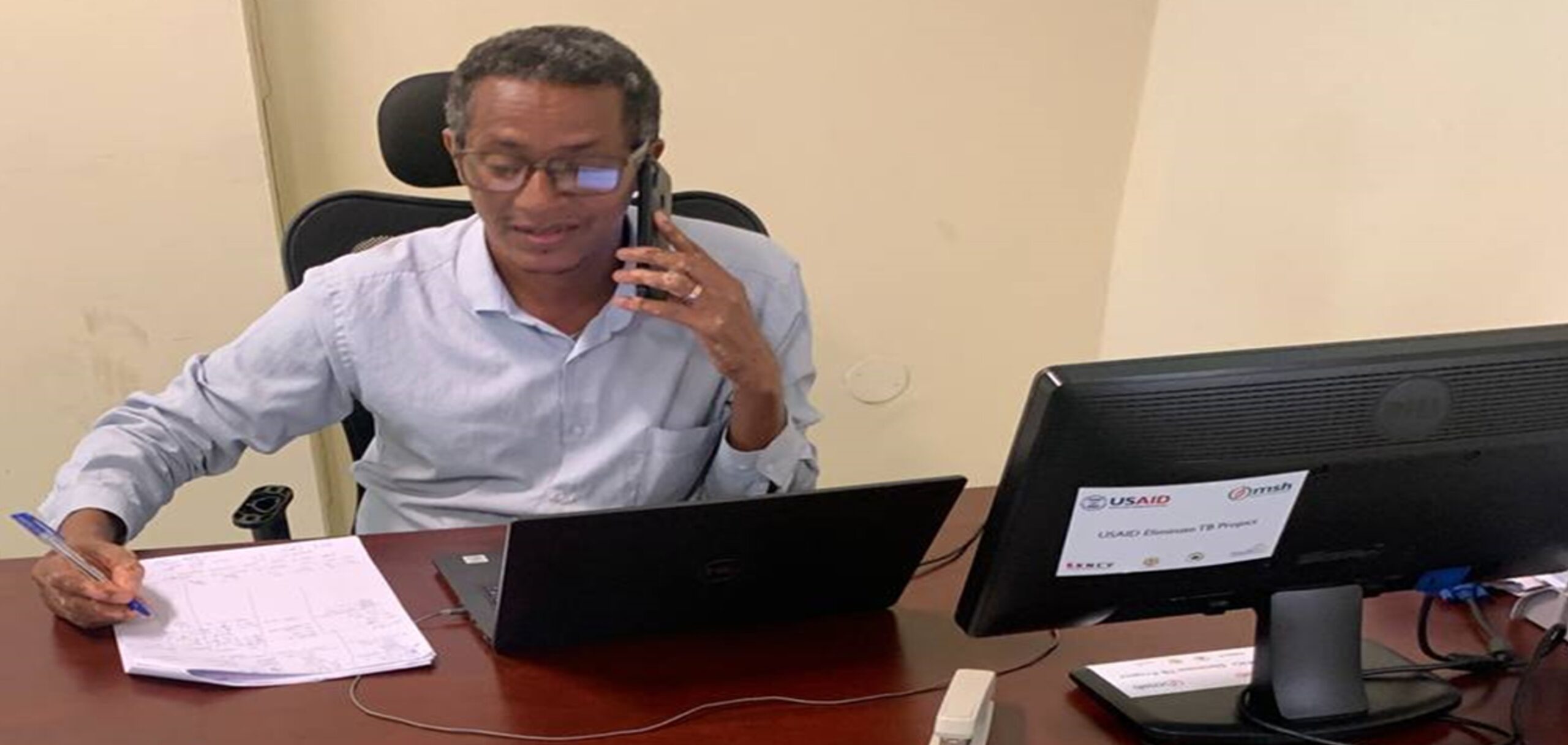
Conflict in Ethiopia’s Amhara region disrupted traditional supervision and mentoring systems, placing continuity of TB services at risk. In response, the Eliminate TB Project introduced telephone-based mentoring to support health workers, laboratories, and health facilities remotely through a practical, low-cost approach. Weekly tele-mentoring helped maintain service delivery, strengthen coordination, and prevent critical shortages while reaching approximately 75% of accessible facilities. This technical brief shows how adaptable, resource-efficient support can sustain essential health services during crisis, strengthen frontline performance, and protect gains made through long-term investment in Ethiopia’s TB system.