Beyond Ownership: How Local Leadership and Peer Learning Strengthen Health Systems for Lasting Change
Beyond Ownership: How Local Leadership and Peer Learning Strengthen Health Systems for Lasting Change
At Management Sciences for Health (MSH), we work in partnership with local actors to define priorities, develop solutions, support peer learning, and sustain progress long after a project’s end. A critical part of this approach is creating opportunities for peer-to-peer learning, where countries and communities share experiences, adapt successful approaches, and build collective knowledge.
Across diverse contexts, from tobacco control in Africa to maternal health in Guatemala to primary health care improvement in Ghana and Rwanda, MSH’s work demonstrates that lasting health system change happens when local leaders and institutions have opportunities to continuously learn, innovate, adapt, and share what works.
African countries accelerating tobacco control through shared learning
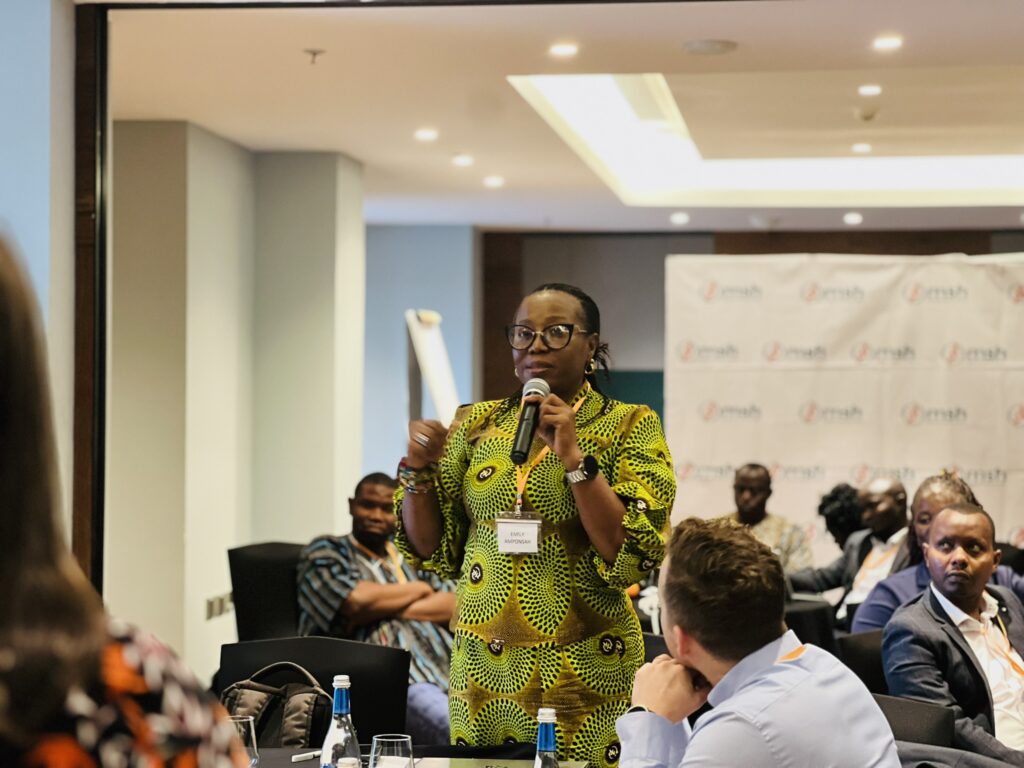
MSH’s Tobacco Policy Action Fund for Africa (TOPAFA) illustrates the power of regional collaboration and peer learning to catalyze implementation of tobacco control policies. The TOPAFA project supports eligible governments in sub-Saharan Africa in advancing their national tobacco control priorities through results-based grants, targeted technical assistance, and structured peer-to-peer learning opportunities.
Through the TOPAFA Learning Labs, government representatives and technical partners from across 10 African countries come together to share strategies for advancing tobacco control policies, engaging stakeholders, and overcoming barriers to implementation.
The Learning Labs create spaces where countries learn from one another, not through a one-size-fits-all model, but through dialogue about what works in different political and health system contexts. This type of exchange recognizes that countries are sources of expertise, innovation, and practical solutions and that those lessons can be applied across regions and contexts.
By connecting leaders across countries and regions, TOPAFA is helping strengthen a community of practice capable of sustaining progress and accelerating action for tobacco control across sub-Saharan Africa.
The same principle applies within countries: communities shaping maternal and newborn health solutions in Guatemala
The Utz’ Na’n project in Guatemala demonstrates that localization also means recognizing and strengthening the expertise already present within communities. The project, dedicated to improving the health of Indigenous pregnant women, mothers, and their newborns in Quetzaltenango, San Marcos, Sololá, and Totonicapán, has demonstrated that improving maternal and newborn health requires more than strengthening health facilities, it requires meaningful partnership with the people and institutions that women and families trust.
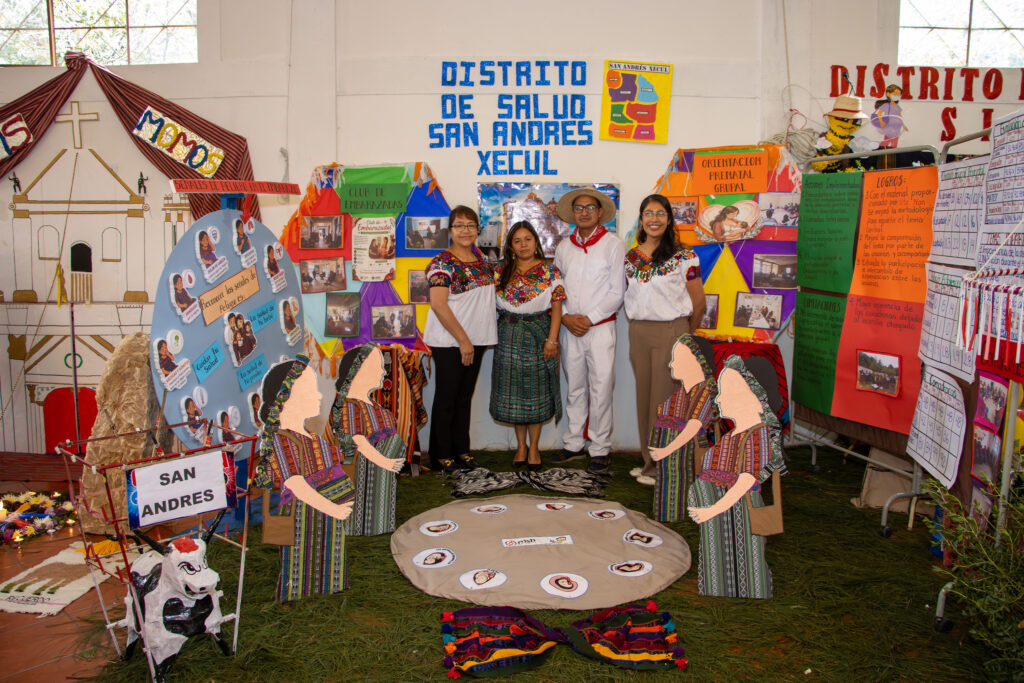
Since 2021, the project has promoted the Collaborative Learning Exchange “colaborativos” methodology, creating structured opportunities for health providers across districts to learn directly from one another. During these exchanges, participants present local data, share practical solutions, and showcase innovations in areas such as group antenatal care, maternal surveillance, collaboration with traditional midwives (abuelas comadronas), continuous quality improvement, and services for pregnant adolescents.
In 2026 alone, the collaboratives brought together 462 health workers from 82 municipalities across Quetzaltenango, San Marcos, Sololá, and Totonicapán. More than technical workshops, they create a forum where health workers, district leaders, and departmental authorities recognize effective local practices, validate successful approaches, and encourage their adaptation in other communities. As a result of the collaboratives, health districts from across different departments have already adapted best practices learned from other departments, including on implementing obstetric census and tailoring approaches to pregnant adolescents.
The project also demonstrates how learning moves across countries. The group antenatal care methodology, first implemented by MSH in Kenya, Uganda, and Afghanistan, has been adapted and transformed through local leadership to meet Guatemala’s context. This experience demonstrates an essential principle of localization: success comes not from replicating models, but from enabling countries and communities to adapt proven approaches to their own realities.
Health leaders driving primary health care improvement
The PHC Performance Management (PHC-PM) Activity in Ghana and Rwanda highlights another dimension of country ownership: investing in the leadership capacity of those closest to health system challenges.
Through the PHC Leadership Development Program (PHC-LDP), district health teams identify performance gaps, analyze local data, develop targeted action plans, and measure progress against goals they set themselves. Rather than providing external solutions, the approach equips local leaders with the skills, confidence, and tools to solve their own challenges and sustain improvement over time. Learning was intentionally built into every level of the approach, from regular reflection within district health teams, to exchanges across districts within each country, to cross-country and global learning opportunities that enabled leaders to share experiences, adapt successful practices (and avoid common pitfalls), and strengthen PHC together.
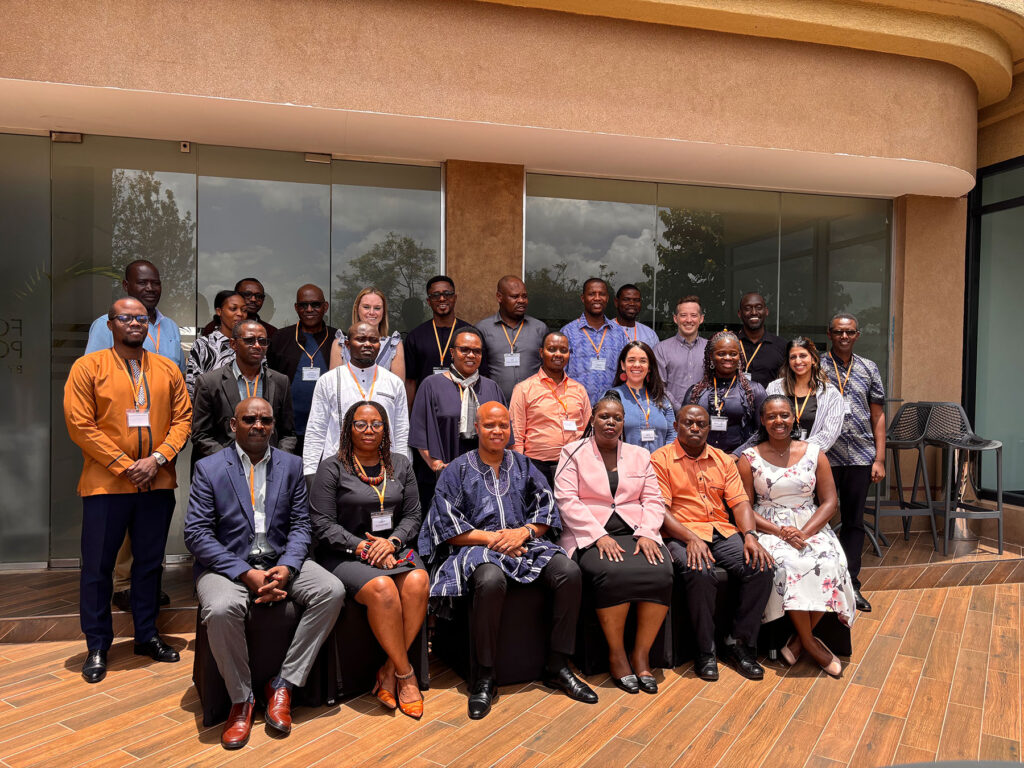
In 2025, district health leaders from Ghana and Rwanda came together for a three-day cross-country learning exchange in Kigali, where they visited health facilities, shared practical strategies, and reflected on their leadership journeys. The exchange centered not on what external experts could teach, but on what district teams could learn from one another and adapt to their own contexts.
These exchanges reinforced a lesson that extends beyond these two countries: many of the most effective solutions already exist within health systems and communities. What is often missing are the mechanisms to identify them, adapt them, and scale them.
Building the future of locally led health systems
Across these examples, a common theme emerges: sustainable change is built through relationships, learning, and shared ownership.
MSH helps to create the conditions for this leadership to flourish by bringing people together, strengthening local capacity, supporting evidence-informed decision-making, and facilitating the exchange of knowledge across countries, institutions, and communities.
Many persistent health system challenges can be addressed locally through stronger planning, adaptive leadership, better use of data, and more strategic use of existing resources.
Our partnerships with governments help to strengthen the sharing of local knowledge and capabilities, and to increase evidence-informed decision-making. When local leaders and communities are connected and able to learn from one another, they are better positioned to sustain progress and deliver healthier futures for generations to come.