
Saving Lives at the Last Mile: How Ethiopia Is Taking Ownership of Medicine Delivery in Conflict-Affected Regions
Saving Lives at the Last Mile: How Ethiopia Is Taking Ownership of Medicine Delivery in Conflict-Affected Regions
When supply chains break down due to conflict, the health consequences are immediate and severe. In Ethiopia’s conflict-affected regions—including Oromia, Amhara, and Benishangul-Gumuz—insecurity along transport routes has cut off health facilities from essential medicines for HIV/AIDS, tuberculosis, malaria, and maternal and child health. Patients go without antiretroviral therapy, antimalarials run out at clinics, and mothers lack access to safe delivery supplies, increasing the risk of preventable deaths in communities already facing crisis.
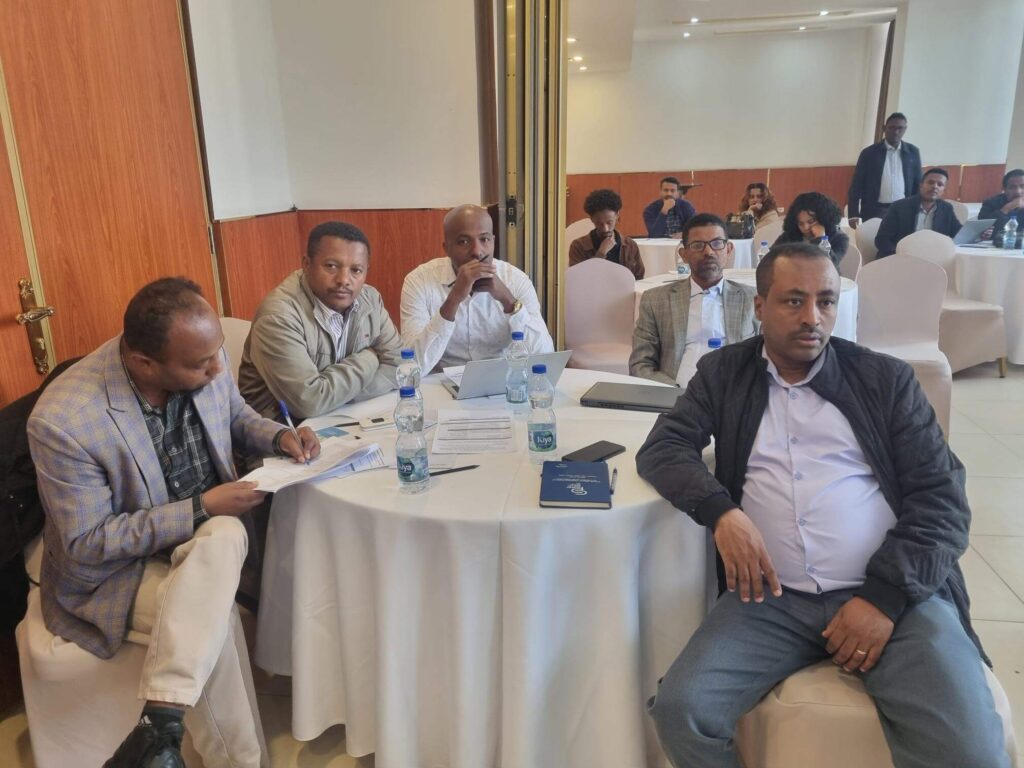
To address this urgent challenge, regional health authorities, humanitarian organizations, third-party logistics partners, and other stakeholders convened in Addis Ababa to reinstate last-mile delivery—the critical final leg of the supply chain that ensures medicines reach health facilities serving communities in crisis zones. The consultative meeting, led by the U.S. Government-funded Supply Chain Strengthening (SCS) Activity in collaboration with Ethiopia’s Ministry of Health (MOH) and Ethiopian Pharmaceutical Supply Service (EPSS), resulted in concrete commitments to restore and strengthen medicine delivery in areas where conflict has disrupted access to care.
Participants shared field experiences from EPSS hubs such as Bahir Dar and Nekemte, where last-mile delivery efforts helped ensure the commodities reached the most vulnerable. The participants highlighted persistent challenges related to ongoing insecurity—including abductions, numerous checkpoints, blockades by armed groups, and the confiscation of vehicles and commodities—and strategies employed to circumvent these challenges, such as the use of humanitarian convoys, partnerships with local third-party logistics companies, and active coordination and information sharing across all stakeholders.
During the meeting, local partners voiced their critical role in the last-mile delivery ecosystem. “Engaging local partners is not just strategic—it’s essential,” emphasized Yodit Admasu, Managing Director of FIT. “As public-private actors, we bring practical knowledge and community trust to deliver lifesaving medicines where they’re needed most.”
UN agencies also shared their operational experiences in conflict zones, emphasizing the importance of integrating last-mile delivery into broader humanitarian logistics frameworks and noting that delivering commodities in conflict areas requires innovative logistics models to ensure patients receive the needed supplies on time.
The urgency of these logistics solutions is clear in regions like Amhara, where conflict-disrupted health services have triggered cholera, malaria, and measles outbreaks threatening to spread across regional and international borders.
“This meeting is a turning point,” said Mohammedaman Jemal, Emergency Supply Chain Advisor at the MOH. “The Ministry will lead the taskforce and ensure that today’s commitments evolve into actionable steps in the coming months.”
Key commitments included:
- The MOH will lead a strengthened National Emergency Supply Chain Last-Mile Delivery Coordination Platform to manage delivery efforts across all conflict-affected regions.
- The MOH, Regional Health Bureaus (RHBs), and EPSS will map conflict-affected zones and health facilities and establish strategic stockpiles to pre-position medicines closer to affected communities.
- Amhara RHB pledged to share successful delivery strategies and community-led models that leverage local knowledge and networks.
- EPSS Hub Managers from Bahir Dar and Nekemte will document their operational lessons to inform delivery approaches in other regions.
- All RHBs will continue their coordination with EPSS and partners for the safe transportation of health commodities to the last mile.
- Stakeholders agreed to meet quarterly and establish technical working groups to maintain coordination and accountability.
Beyond addressing the immediate needs, the meeting and resultant commitments represent a strategic shift toward enhancing Ethiopia’s long-term capacity to manage a resilient and responsive health supply chain. “Emergency response in conflict zones requires us to think beyond coordination; it demands ownership at every level,”said Edmealem Ejigu, Chief of Party for the SCS Activity. “By institutionalizing last-mile delivery through national and regional platforms, we’re strengthening the capacity for RHBs and local partners to anticipate and address their own supply chain challenges, ensuring that lifesaving medicines reach patients no matter what disruptions lie ahead.”