Building Stronger National Public Health Institutes

Strengthening the institutions, leaders, and systems countries rely on to prepare for and respond to public health threats.

National public health institutes (NPHIs) are at the center of a country's ability to detect threats, coordinate emergency response, generate trusted evidence, and protect communities. Strong NPHIs connect government, health systems, laboratories, communities, and partners-and provide the leadership and coordination needed when crises strike.

From 2020-2026, with funding from the U.S. Centers for Disease Control and Prevention (CDC), MSH worked alongside national governments and public health institutions to strengthen the organizational, management, and leadership capabilities behind these critical functions.

The partnership combined institutional strengthening with practical leadership and management development, supporting countries to strengthen emergency operations and coordination while equipping public health teams to solve real-world challenges and deliver measurable results during outbreaks and other emergencies.

Strengthening the systems-img alt

Strengthening the systems behind public health response

Preparedness requires strong institutions, effective coordination, and leaders equipped to act. MSH worked with national and subnational partners through two complementary approaches.

Stronger public health institutions

MSH supported countries to strengthen emergency management, coordination, strategic planning, and the institutional systems that underpin effective public health response.

Leaders equipped to deliver results

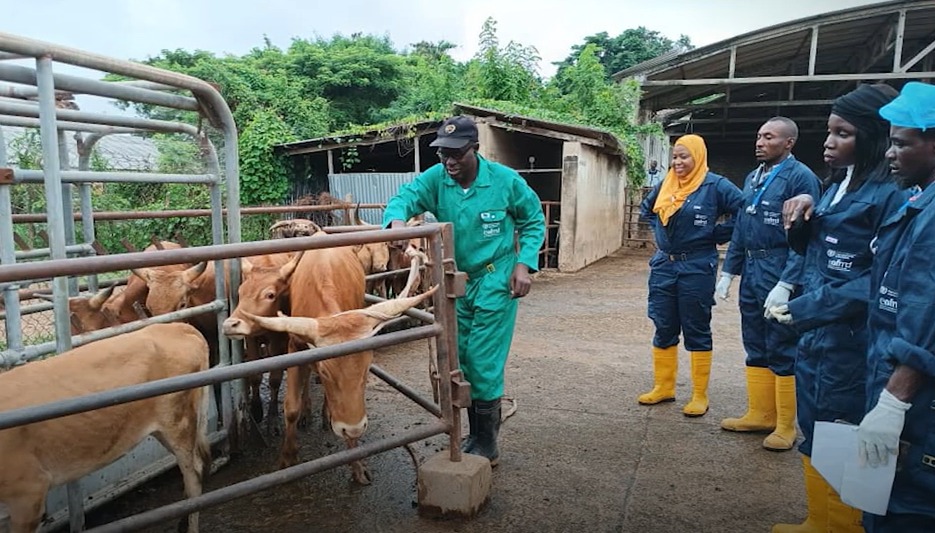
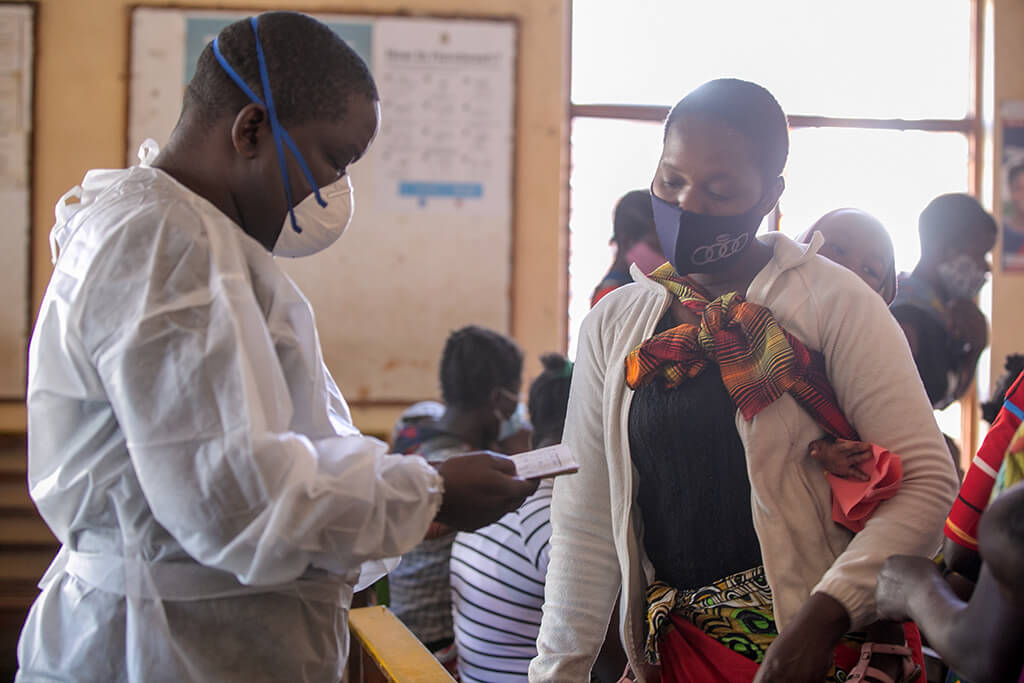
Building on MSH’s decades of experience strengthening leadership and management for better health outcomes, MSH developed Leading and Managing for Results in Pandemics (LMRP) to apply these proven approaches to public health emergencies. The program equipped 377 public health professionals across six countries to lead teams, mobilize stakeholders, tackle priority challenges, and deliver measurable results. Participants applied these capabilities to strengthen surveillance, outbreak response, vaccine uptake, and preparedness for COVID-19, cholera, Ebola, and other health threats.

Partnership in Action

377 public health leaders equipped for emergencies alt

377 public health leaders equipped for emergencies

Across six countries, LMRP strengthened the leadership and management capabilities of 377 public health professionals, with teams applying new skills to priorities including outbreak response, surveillance, vaccine uptake, and community engagement.
Kenya institutionalizes leadership development alt

Kenya institutionalizes leadership development

MSH partnered with Kenya Medical Training College to embed an adapted LMRP program in its virtual learning platform, training lecturers to deliver and sustain the approach beyond the project.
Rwanda contains threats closer to their source alt

Rwanda contains threats closer to their source

MSH supported establishment of a Public Health Emergency Operations Center in Western Province, prioritized because of its porous border with DRC and the heightened risk of disease importation, and trained emergency response staff to strengthen subnational preparedness and coordination.
Uganda strengthens emergency coordination alt

Uganda strengthens emergency coordination

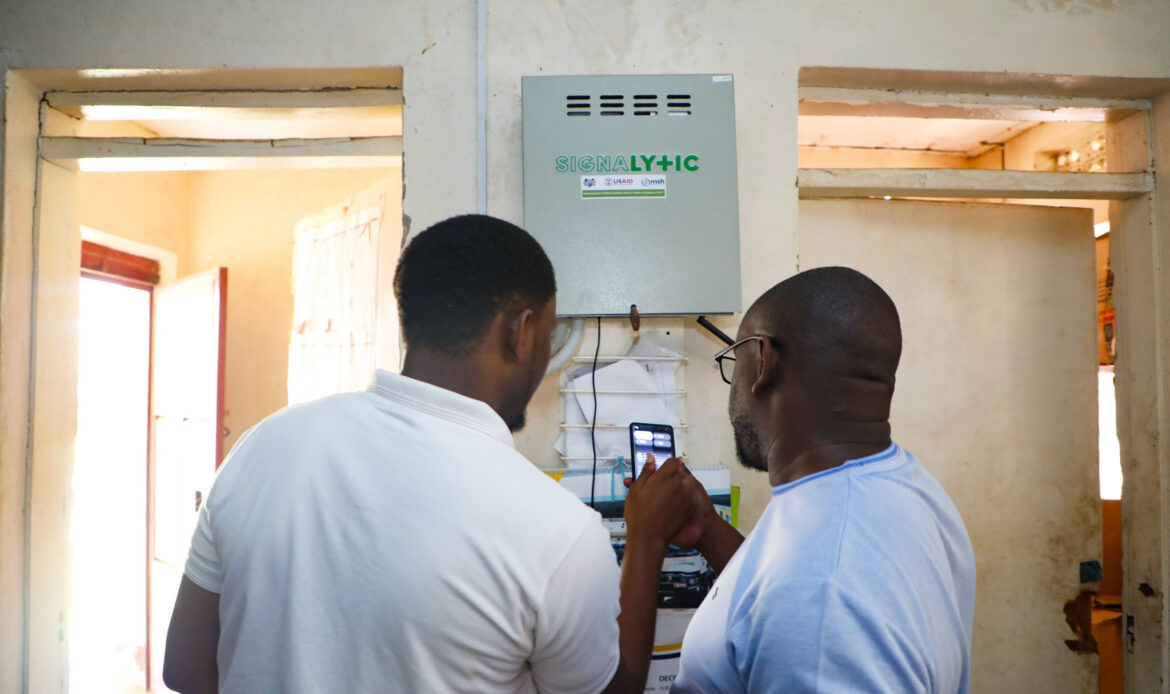
National and regional Ministry of Health teams strengthened their use of the Incident Management System, clarifying roles and improving coordination across emergency response structures.