Prioritizing and Costing Maternal, Child, and Adolescent Health Innovations for National Scale in Ethiopia
Prioritizing and Costing Maternal, Child, and Adolescent Health Innovations for National Scale in Ethiopia
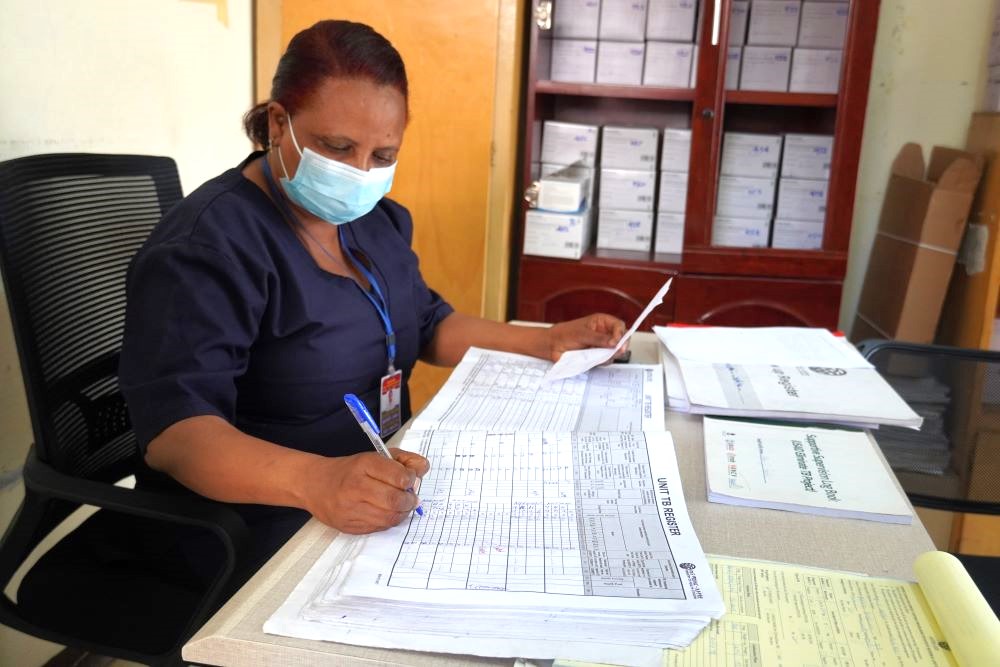

Supporting Evidence-Based Scale of Health Innovations
Scaling health innovations requires more than identifying promising solutions, it requires understanding what it takes to implement them within real health system constraints.
Through this initiative, MSH supported Ethiopia’s Federal Ministry of Health in applying a structured and transparent approach to evaluating maternal and child health innovations. More than 100 potential innovations were assessed through a stakeholder-driven process, and four were selected for detailed costing and resource analysis.
By combining technical analysis, stakeholder engagement, and costing tools, the project helps national decision-makers prioritize innovations that are not only effective, but also feasible and sustainable at scale.
Overview
Scaling effective health innovations is critical to expanding access to high-quality reproductive, maternal, newborn, child and adolescent health (RMNCAH) services. However, many promising innovations struggle to reach national scale because decision-makers often lack clear evidence on cost, feasibility, and resource requirements.
Between 2024 and 2026, Management Sciences for Health (MSH), in collaboration with Breakthrough International Consultancy (BIC) and the Ethiopia Federal Ministry of Health, is supporting a structured process to prioritize and cost high-impact RMNCAH innovations.
Working with national stakeholders, the project identified more than 100 potential innovations at different level of maturity and applied a systematic evaluation framework to determine which solutions should be prioritized to scale within Ethiopia’s health system.
Approach
- Map and screening more than 100 potential reproductive, maternal, child, and adolescent health innovations
- Applying a multi-criteria decision-making framework assessing impact, equity, scalability, feasibility, and sustainability
- Engaging government and technical partners in a structured stakeholder deliberation process of prioritizing innovation across multiple criteria.
- Conducting costing and resource mapping for prioritized innovations to support planning for national scale

Lelisa Assebe
Principal Technical Advisor, Health Economics and Financing
Project Contact
Lelisa Fekadu Assebe is a health economist and public health professional with over 15 years of experience in health systems, program implementation, health economics, and financing. He is a Principal Technical Advisor at MSH, where he is involved in business development and the implementation of projects related to health economics and financing. He has previously worked across government, non-governmental, and academic institutions.
Assebe has over 15 years of experience in public health and led advanced health economics projects to assess public health interventions, inform equitable priority setting, and support the design of essential health benefit packages and sustainable financing strategies in low- and middle-income countries. He played a major role in national HIV, TB, and malaria program implementation in Ethiopia, where he coordinated the programs and engaged in the development of strategic plans, policy, resource mobilization through grant applications, and multisectoral partnerships.
He holds a PhD in Global Public Health and Health Economics from the University of Bergen, Norway and has an MSc in Biostatistics and Health Informatics from University of Mekelle, Ethiopia.

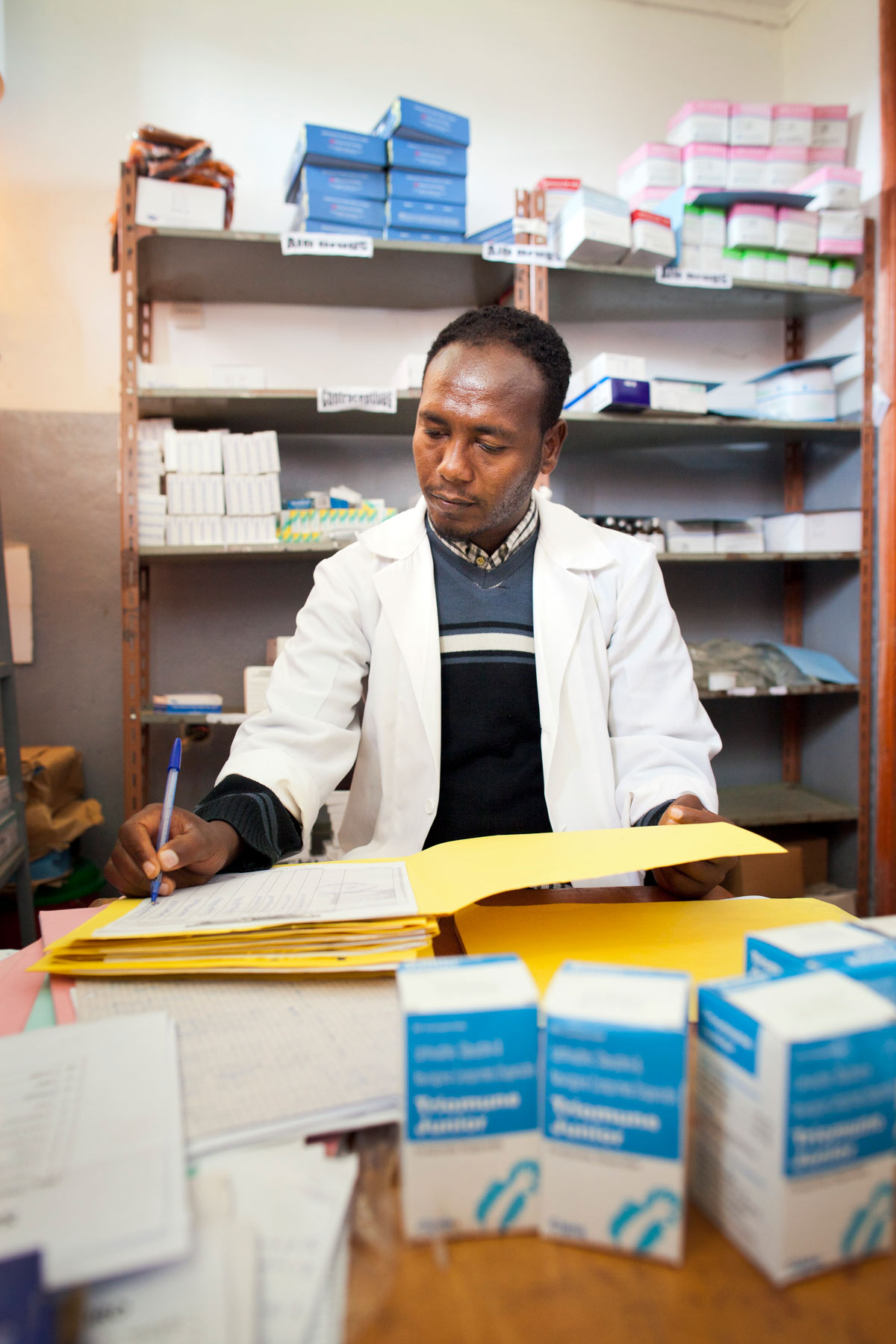
Donors & Partners
Donor
- Gates Foundation
Partners
- Ethiopia Federal Ministry of Health
- Breakthrough International Consultancy (BIC)