Primary Health Care Performance Management Activity

Helping district leaders turn local priorities into better primary health care

In Ghana and Rwanda, district health teams improved pregnancy care and strengthened the systems behind it. Through the Gates Foundation-funded Primary Health Care Performance Management (PHC-PM) Activity, MSH and local partners helped teams use their own data, strengthen management practices, and direct flexible funding toward the barriers keeping people from care. 

The experience demonstrates how MSH brings leadership development, health financing, data use, and implementation support together around priorities set by country counterparts. District teams led the decisions and the changes.

Results in Participating Districts

Impact Dashboards

51

Action plans implemented across four PHC-LDP cycles, each anchored to a locally prioritized Desired Measurable Result spanning skilled delivery, immunization, maternal and child health, service readiness, and health information systems.
Impact GrantsL

$400K+

Catalytic grant funding provided to districts—modest, flexible resources that enabled DHMTs to translate local priorities and data insights into action, addressing PHC gaps not covered by routine budgets.
Impact Leadership

12

Strongly validated positive outcomes identified across Ghana and Rwanda — including improved leadership skills, DHMT efficiency, health worker transportation, and equipment availability at all levels of care.
Impact MEL

100%

All four districts improved routine data quality scores — building the evidence base DHMTs need to identify gaps, set priorities, and track progress across PHC improvement cycles.
How MSH and Partners Supported District Performance

District leaders often know where services are falling short. Acting on that knowledge requires usable information, the skills to prioritize and manage change, and resources they can direct toward local solutions. PHC-PM connected these functions within district health systems.

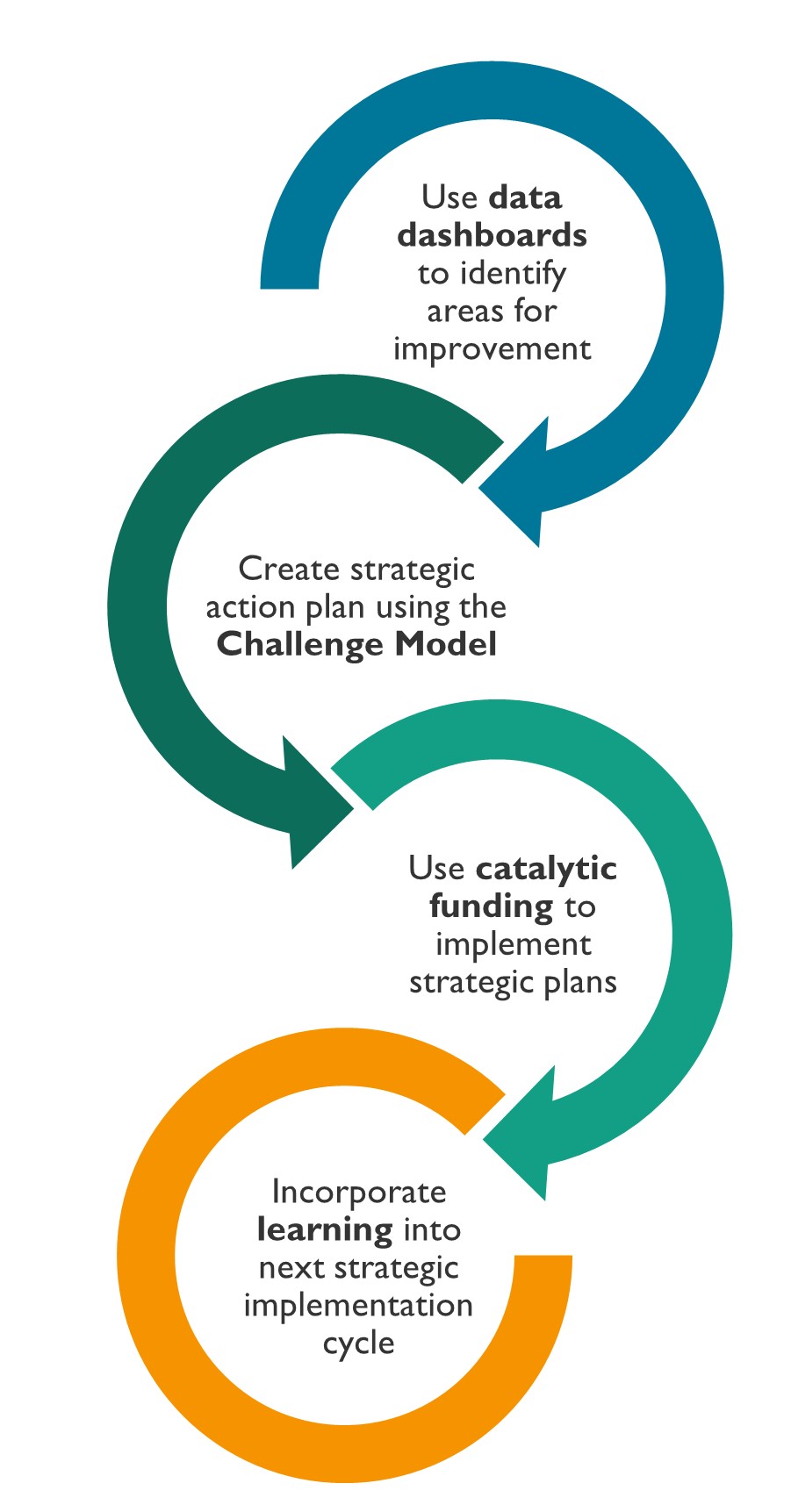
The PHC Leadership Development Program adapted MSH’s established leadership development methodology to district primary health care. Teams used the Challenge Model to identify root causes, set measurable results, and implement action plans. Coaching and repeated improvement cycles helped teams apply these practices in routine work. 

Learn About the PHC-LDP

With specialist partners, MSH supported data dashboards linked to national information platforms: DHIMS2 in Ghana and the Rwanda Health Analytics Platform. Teams combined these tools with operational information to compare performance, validate data, and guide corrective action.

Read Case Studies

Catalytic grants supported district action plans, including outreach, supervision, training, and equipment. Funding flowed through existing government financial systems. Districts decided how to spend within agreed parameters, with subsequent disbursements tied to progress reporting rather than achievement of performance targets. 

Cross-country coordination and learning helped teams exchange experiences. Outcome harvesting examined changes in management practices and relationships alongside service results, while endline learning explored financing, community engagement, dashboard use, and sustainability. 

MSH coordinated across countries and administered grants. Country partners contributed coaching, performance improvement, monitoring and evaluation, and dashboard integration, with district teams leading local action.