Strengthening Pharmaceutical Systems Across 18 Countries

The Medicines, Technologies, and Pharmaceutical Services (MTaPS) Program

The Medicines, Technologies, and Pharmaceutical Services (MTaPS) Program worked with partners in 18 countries across Africa and Asia to improve access to safe, effective, quality-assured medicines and pharmaceutical services. Funded by USAID and led by Management Sciences for Health (MSH), the program ran from 2018 to 2025.

Working alongside governments, regional institutions, professional bodies, and local partners, MTaPS strengthened the systems that govern, finance, regulate, manage, and support the appropriate use of medicines and health technologies.

Its legacy lies in stronger institutions, more capable health workers, and better use of data to guide decisions. These capabilities—including stronger regulatory systems and responses to antimicrobial resistance—provide a foundation for countries to sustain progress, meet everyday health needs, and respond to health emergencies.

Philippines-img alt

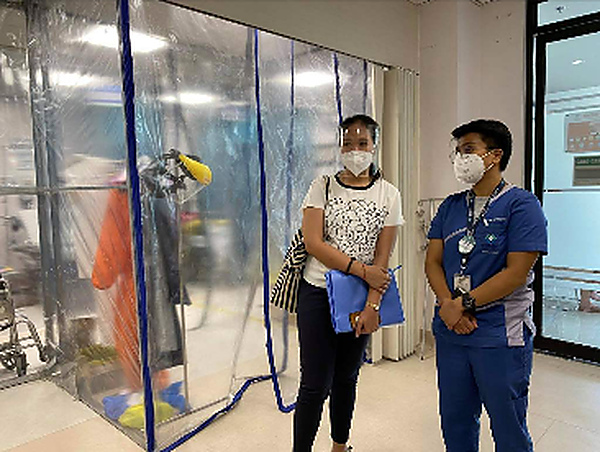
Philippines

MTaPS trained more than 3,000 health workers, strengthened pharmaceutical management across 330 health facilities, and supported the development of 20 key health policies, contributing to stronger supply systems and pandemic preparedness.
Box-4-Senegal-MTaPS-janitor-sterilizing-a-health-center-corridor-scaled alt

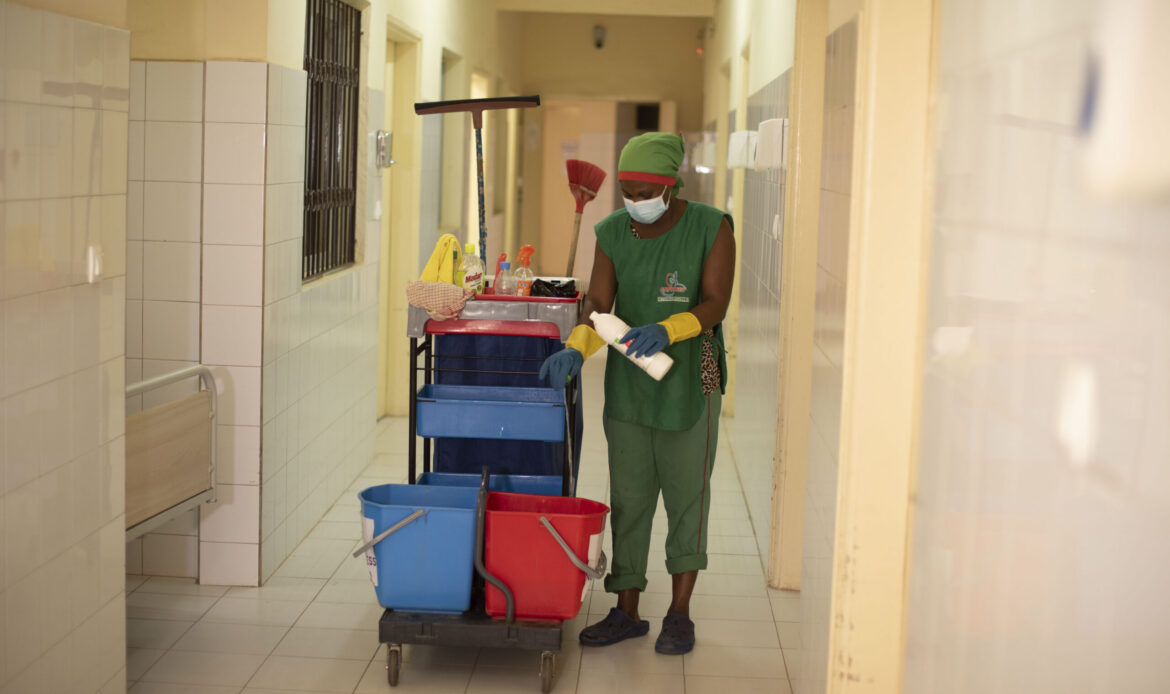
Senegal

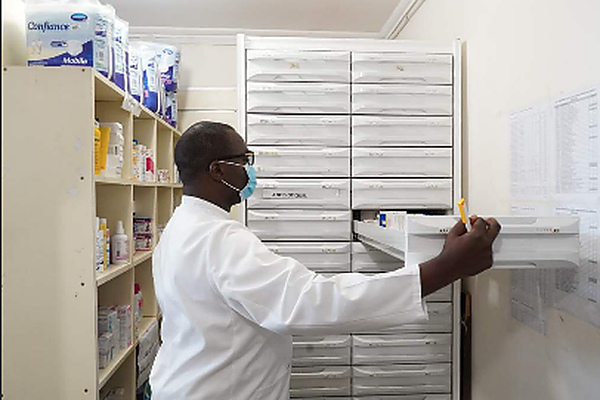
More than 1,000 health workers received training in infection prevention and control, while supported facilities strengthened adherence to hand hygiene and IPC standards.
Tanzania-img alt

Tanzania

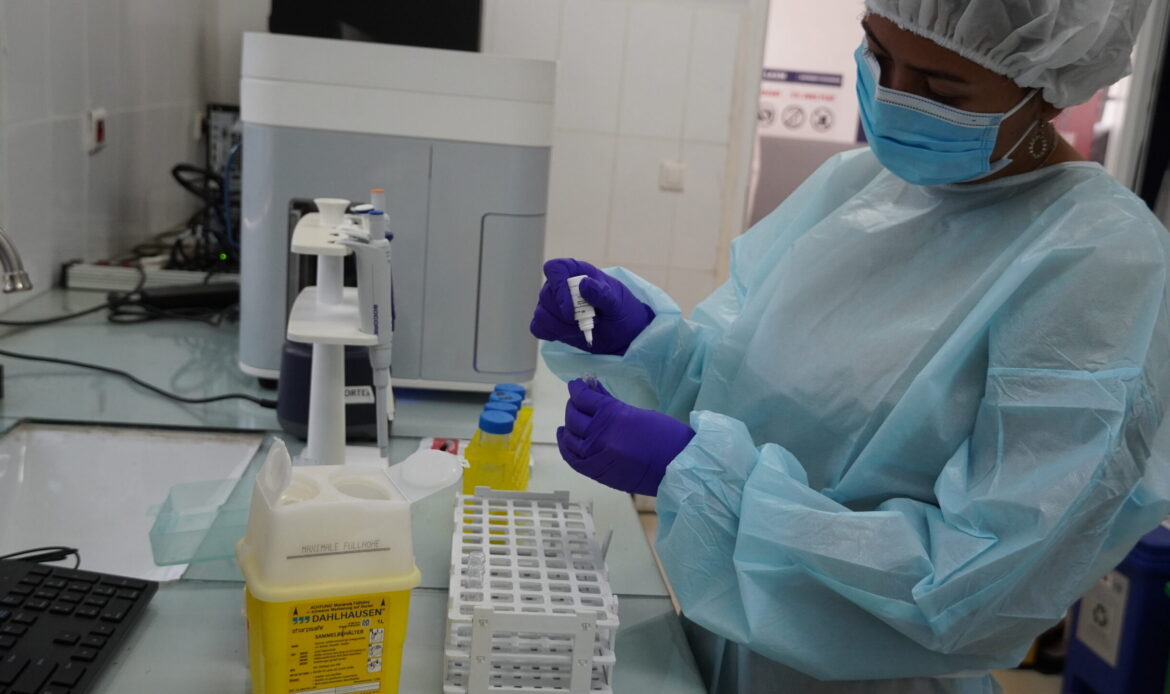
Working with the Ministry of Health and national institutions, MTaPS supported antimicrobial stewardship in 10 hospitals and helped more than 60 colleges integrate updated infection prevention and control content into health-worker training.
Madagascar

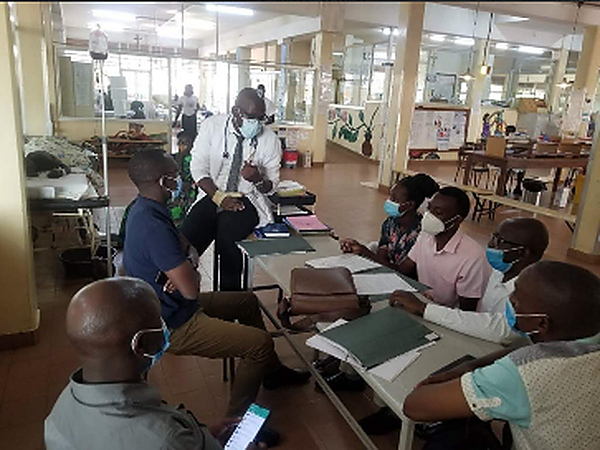
MTaPS trained 135 health workers across 14 regions in logistics and management of laboratory supplies, strengthening local capacity and reducing disparities in supply management.
Uganda-img alt

Uganda

The program helped establish multisectoral mechanisms for antimicrobial resistance response and strengthened infection prevention and control capacity at national and facility levels.

What the Partnership Strengthened

MTaPS worked across the pharmaceutical system rather than addressing isolated supply or service gaps.
Institutions,-governance,-and-accountability alt

Institutions, governance, and accountability

The program strengthened pharmaceutical governance, transparency, regulation, and institutional capacity, working with ministries, national regulatory authorities, academic institutions, professional associations, and regional bodies.
Data-and-digital-systems-for-decision-making alt

Data and digital systems for decision-making

MTaPS helped countries strengthen information systems, improve interoperability, and use pharmaceutical data more effectively—from regulatory systems to logistics and patient-level information.
Safe-and-appropriate-use-of-medicines alt

Safe and appropriate use of medicines

The program supported antimicrobial stewardship, infection prevention and control, quality improvement, and pharmaceutical care to improve patient safety and reduce antimicrobial resistance.
Supply-chains-and-access-to-health-products alt

Supply chains and access to health products

MTaPS strengthened procurement, logistics management, and supply chain systems so medicines and health products could reach facilities and patients more reliably.
Financing-and-priority-setting alt

Financing and priority setting
The program worked with governments to improve pharmaceutical expenditure tracking, priority setting, and health technology assessment so limited resources could be used more strategically.

Strengthening the Pharmaceutical System in Mali : Investing for the Health of Women and Children

Antimicrobial resistance is a major problem affecting the health of children and women. In Mali, USAID MTaPS provided support to the national government to revise the country’s essential medicines list. USAID MTaPS is also strengthening drug and therapeutics committees, entities that are driving improvements in how medicines are managed in health facilities, helping doctors and nurses use antibiotics responsibly.

How USAID MTaPS Supports the Ministry of Public Health of Cameroon in Improving Hygiene & Sanitation

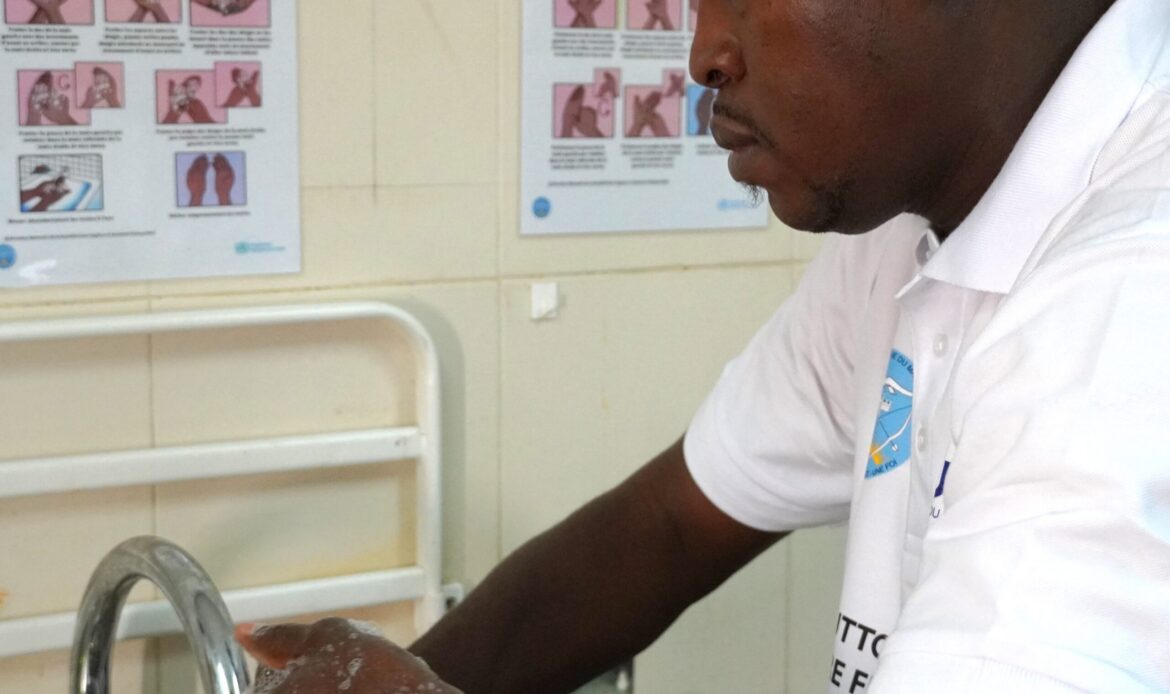
A clean space is critical to provide safe and quality care to patients. USAID, through its Medicines, Technologies, and Pharmaceutical Services (MTaPS) Program, supports the Ministry of Public Health of Cameroon to improve infection prevention and control (IPC) practices in select health facilities in the country by strengthening IPC committees. Through MTaPS, USAID is supporting Cameroon to build a strong and resilient health system designed to prevent and detect infectious threats.

Improving Infection Prevention Practices for Patient Safety in Kenya

Antimicrobial Resistance (AMR) is a global health crisis, according to the World Health Organization, affecting millions of people annually. Kenya addresses AMR, supported by MTaPS, through implementing the National Policy and Action Plan for Prevention and Containment of Antimicrobial Resistance (AMR). As part of this support and drawing on the foundation of longstanding partnerships in #Kenya, MTaPS is collaborating with county governments to strengthen coordination by multiple sectors and improve practices to combat #AMR, saving lives.